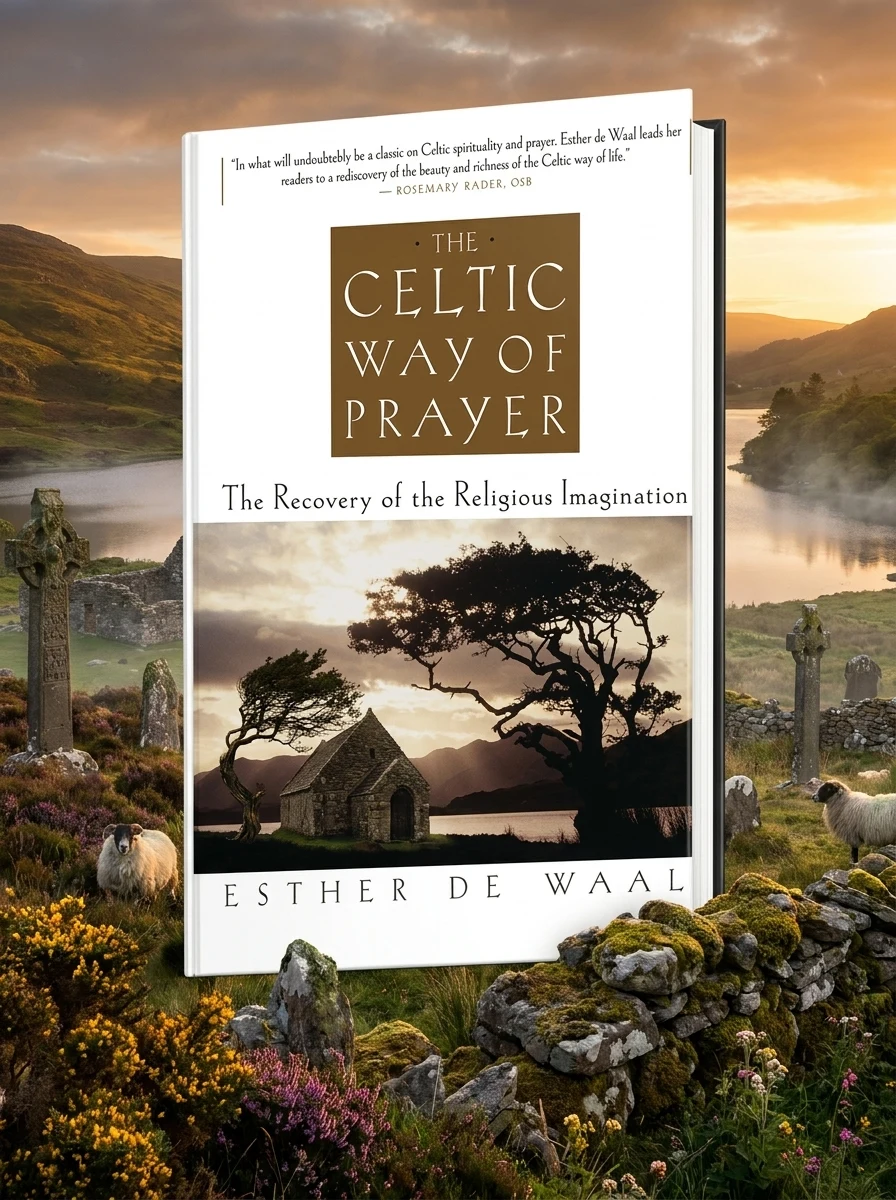
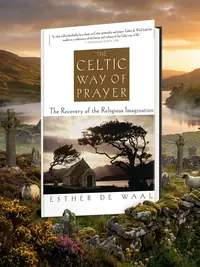
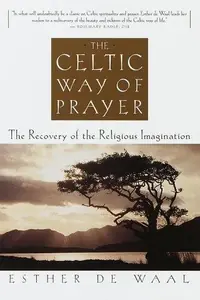
The Celtic Way of Prayer: The Recovery of the Religious Imagination


Stock reported in the catalog; fulfillment is confirmed with your request.
Discover the ancient heart of prayer, where nature's rhythms meet spiritual depth.
Esther de Waal masterfully unveils the rich tapestry of Celtic prayer, tracing its profound lineage from ancient, pre-Christian customs to the heart of the Gospel. This insightful work explores the foundational monastic practices, evocative Irish litanies, and lyrical Welsh praise poems that defined early Celtic spirituality. It highlights how this tradition wove prayer seamlessly into daily existence, deeply connected to nature's cycles, symbolic imagery, and ritual. De Waal presents a refreshing alternative to contemporary worship, offering a living wellspring of spiritual imagination.
This work explores the rich tapestry of Celtic spirituality, tracing its lineage from ancient pre-Christian customs through early monastic practices to the heart of the Gospel. It highlights how this tradition wove prayer seamlessly into daily existence, deeply connected to nature's cycles and symbolic imagery.


📝 Description: The Celtic Way of Prayer: The Recovery of the Religious Imagination
💎 Expert review
📖 Why choose it
Why this book is worth reading
Readers seeking a refreshing alternative to contemporary worship will find a living wellspring of spiritual imagination in this insightful work. It is ideal for those who wish to discover the ancient heart of prayer, where nature's rhythms meet profound spiritual depth. Those drawn to evocative Irish litanies or lyrical Welsh praise poems will appreciate how de Waal unveils foundational monastic practices that define early Celtic spirituality. This book offers a unique opportunity to engage with symbolic imagery and ritual, allowing prayer to be woven seamlessly into daily existence. If you long for a tradition that connects the sacred to the natural world, this recovery of the religious imagination provides a deep, resonant path for your spiritual journey.
⭐ Reader reviews
Reader rating
Esther de Waal masterfully presents a compelling narrative of Celtic prayer, yet it may not suit readers seeking strict historical documentation or academic theological debate. Those preferring structured, liturgical frameworks over imaginative, nature-connected spirituality might find the approach too abstract or informal. The book assumes an openness to pre-Christian influences and monastic traditions, which could alienate those with more rigid doctrinal expectations. It is best for spiritual seekers rather than historians. While the lyrical quality is engaging, the lack of concrete dates or plot points means it requires a reader willing to embrace ambiguity and symbolic interpretation as primary tools for understanding the recovery of religious imagination.
❓ Frequently asked questions
📖 Who should read this
If you yearn for a spiritual path deeply connected to nature, history, and the rhythm of daily life, this book is for you. It offers a refreshing perspective on prayer, inviting you to rediscover a vibrant, ancient tradition that can enrich your modern spiritual journey.
🎯 Key themes and symbolism
Nature's Sacred Rhythms
This book vividly illustrates how Celtic spirituality found its divine expression within the natural world. Prayer wasn't confined to structures but emerged from the land, seasons, and daily life, imbuing every element of creation with sacred significance and fostering a deep, reverent connection to the earth.
Ancient Spiritual Lineage
De Waal expertly navigates the historical currents that shaped Celtic prayer, revealing its unique synthesis. She demonstrates how indigenous pre-Christian beliefs harmonized with the emerging Gospel, creating a spiritual tradition that honored both ancestral wisdom and the transformative power of Christian faith, enriching its profound character.
Prayer as Daily Fabric
The text illuminates how Celtic prayer transcended formal services, becoming an inherent part of everyday existence. Through oral blessings, monastic practices, and poetic expressions, it shows how ritual and spiritual reflection were woven into every moment, transforming routine tasks into sacred acts and making life itself a continuous act of worship.
💬 Quotes from the book
“The sacred was not something apart, but woven into the very breath of the wind, the turning of the tide, and the simple act of kindling a fire.”
“To recover the religious imagination is to step back into a time when spirit and matter were not divided, but danced together in a continuous, hallowed rhythm.”
📜 Historical context
📚 Glossary
- Celtic Christianity
- Litanies
- Oral Tradition
📔 Questions to reflect on
- How might integrating nature's cycles more deeply into your spiritual practice transform your daily life?
- What "pre-Christian past" or ancestral wisdom might influence your own spiritual outlook today, even unconsciously?
- Consider a routine daily task. How could you imbue it with prayer or sacred intention, echoing the Celtic approach?
You might also like
See more →