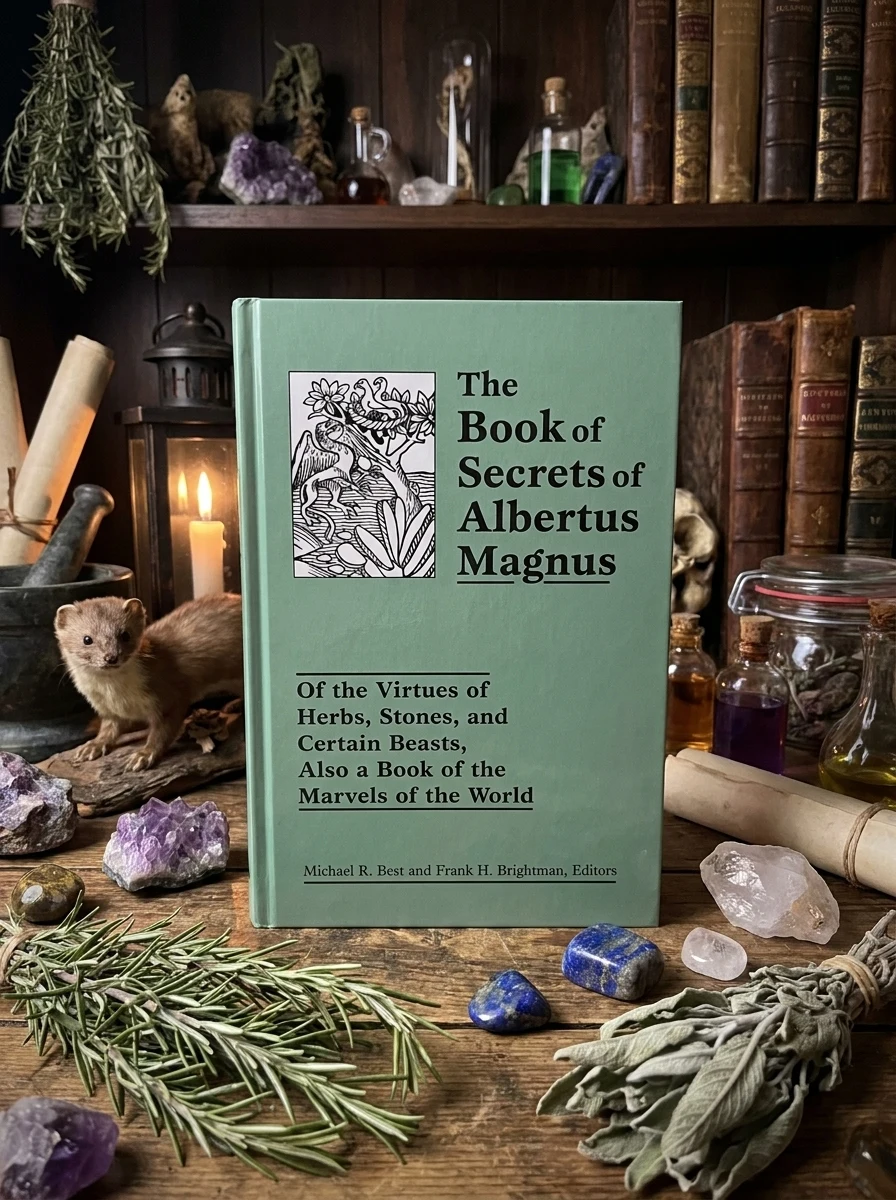
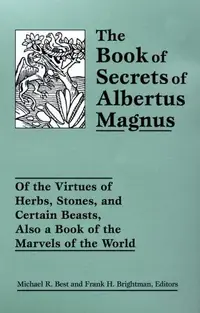
The Book of Secrets of Albertus Magnus: Of the Virtues of Herbs, Stones, and Certain Beasts, Also a Book of the Marvels of the World
Stock reported in the catalog; fulfillment is confirmed with your request.
Uncover forgotten wonders: a 16th-century grimoire veiled in the name of a master.
Delve into a captivating compendium of natural magic, originally penned in the 16th century but attributed to the venerable Albertus Magnus. This fascinating volume explores the hidden powers residing within herbs, precious stones, and various creatures, alongside a broader exploration of the world's marvels. Far from being a singular work, it represents a rich tapestry woven from numerous earlier texts, offering insights into ancient beliefs about the interconnectedness of nature and the subtle forces at play in the cosmos. It's a window into the historical practice of discerning and utilizing nature's secret virtues.
This work sits firmly within the tradition of Renaissance natural magic and hermetic philosophy, reflecting the period's fascination with the hidden sympathies between the macrocosm and microcosm. It serves as a historical artifact illustrating how pre-modern scholars attempted to systematize the occult virtues of the natural world.


📝 Description: The Book of Secrets of Albertus Magnus: Of the Virtues of Herbs, Stones, and Certain Beasts, Also a Book of the Marvels of the World
💎 Expert review
📖 Why choose it
Why this book is worth reading
Readers with a deep passion for the history of esoteric thought and the evolution of magical theory will find this text profoundly rewarding. It offers a unique window into how Renaissance practitioners viewed the interconnectedness of nature, stones, and beasts through a lens of spiritual power. Those interested in the intellectual lineage of Western occultism, particularly the attribution of knowledge to revered masters like Albertus Magnus, will appreciate the rich tapestry of earlier texts woven within these pages. It is ideal for those who enjoy sifting through historical layers of belief to understand how ancient forces were perceived and utilized.
⭐ Reader reviews
Reader rating
This volume is a dense compendium that rewards patience but may frustrate readers seeking straightforward instructions or modern practical applications. It is not suited for casual enthusiasts looking for quick spells or easily digestible summaries of magic, as it requires navigating a complex array of historical sources and archaic perspectives on natural virtues. The text is best approached by academics or serious students of occult history who value contextual depth over immediate utility. While fascinating for its insight into the period's worldview, it lacks the accessibility required for general readers interested in contemporary neo-pagan practices or simple folk magic traditions.
❓ Frequently asked questions
📖 Who should read this
If you're fascinated by historical esotericism, the natural magic traditions of the past, or the evolution of magical literature, this book offers a unique glimpse. It's perfect for those curious about how ancient wisdom was compiled and disseminated under the guise of respected figures.
🎯 Key themes and symbolism
Nature's Hidden Virtues
This collection meticulously details the esoteric properties and healing applications of botanical specimens, minerals, and animal parts. It provides practical insights into how these natural elements were believed to possess intrinsic powers, offering remedies and magical uses for a variety of purposes, from health to protection, reflecting a pre-scientific understanding of the world.
The Mask of Magnus
The text’s attribution to Albertus Magnus was a common 16th-century practice, lending authority to a work that was, in reality, a compilation. This theme explores the historical trend of attaching renowned names to magical grimoires to enhance their perceived credibility and appeal, shedding light on the cultural dynamics of knowledge transmission in the early modern period.
Marvels of the Cosmos
Beyond practical magic, the book also ventures into describing the 'marvels of the world.' This encompasses a range of curious phenomena and extraordinary occurrences, reflecting a worldview where the natural and the supernatural were intertwined. It’s an exploration of the wondrous, the strange, and the unexplained as understood by thinkers centuries ago.
💬 Quotes from the book
“Know ye that the sapphire, when held against the brow, hath power to quell feverish humours, and banish the nightmares that vex the sleeping mind.”
“Of the Mandrake, it is said its root doth cry when plucked, and granteth great fortune in matters of love, if gathered with the proper rites under a waxing moon.”
📜 Historical context
📚 Glossary
- Grimoire
- Pseudonymous
- Natural Magic
📔 Questions to reflect on
- How might our modern understanding of nature differ if we still actively sought 'hidden virtues' in every plant and stone?
- Consider the historical practice of pseudonymous authorship in magical texts. What does it reveal about the societal perception of magic and knowledge during the 16th century?
- Reflect on a 'marvel of the world' described in the book. How does its ancient explanation compare to contemporary scientific understanding, and what does this contrast illuminate?
🏛 Books from this publisher Weiser Books
All books from this publisher →





 87
87


You might also like
See more →





 91
91