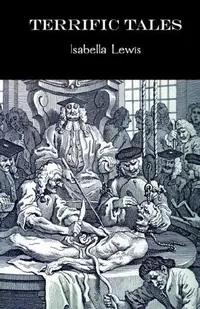
Terrific Tales (Valancourt Book) Lewis, Isabella
Lewis, Isabella

Stock reported in the catalog; fulfillment is confirmed with your request.
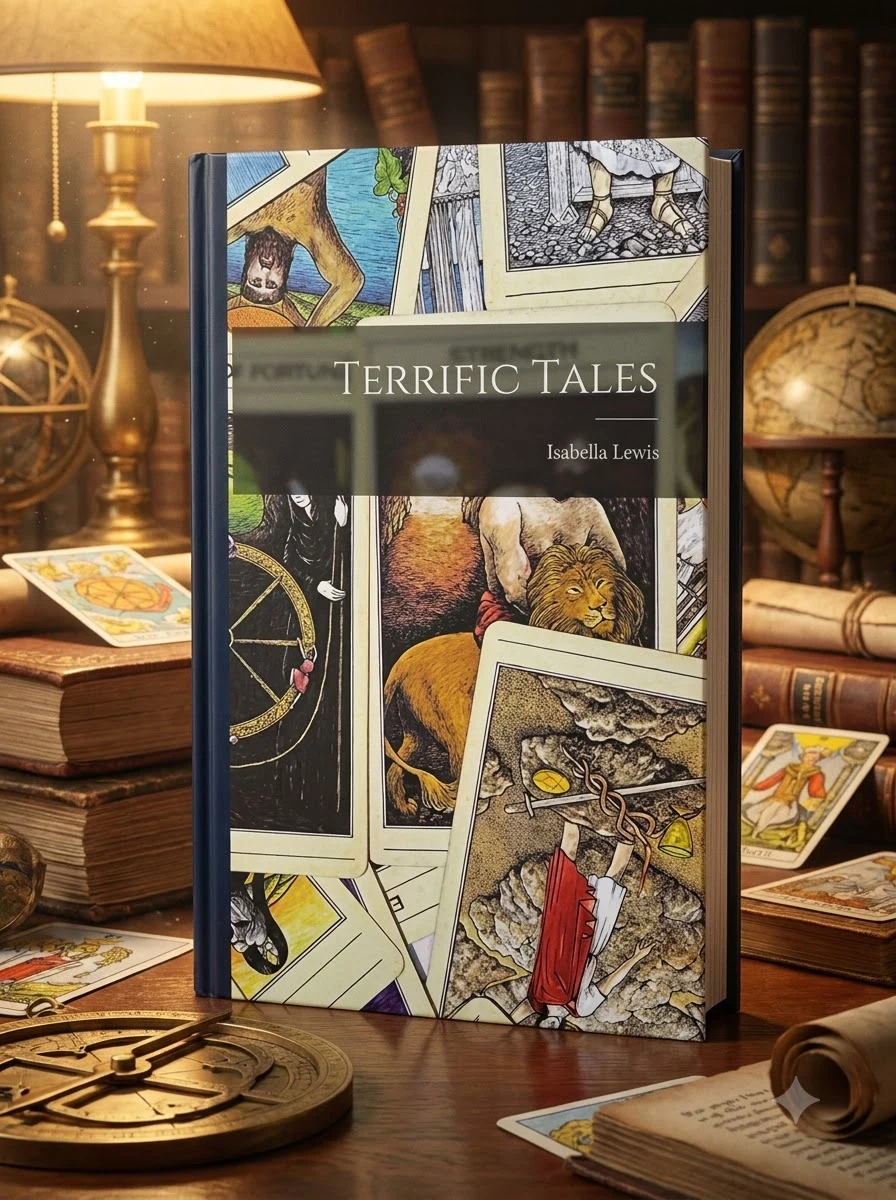
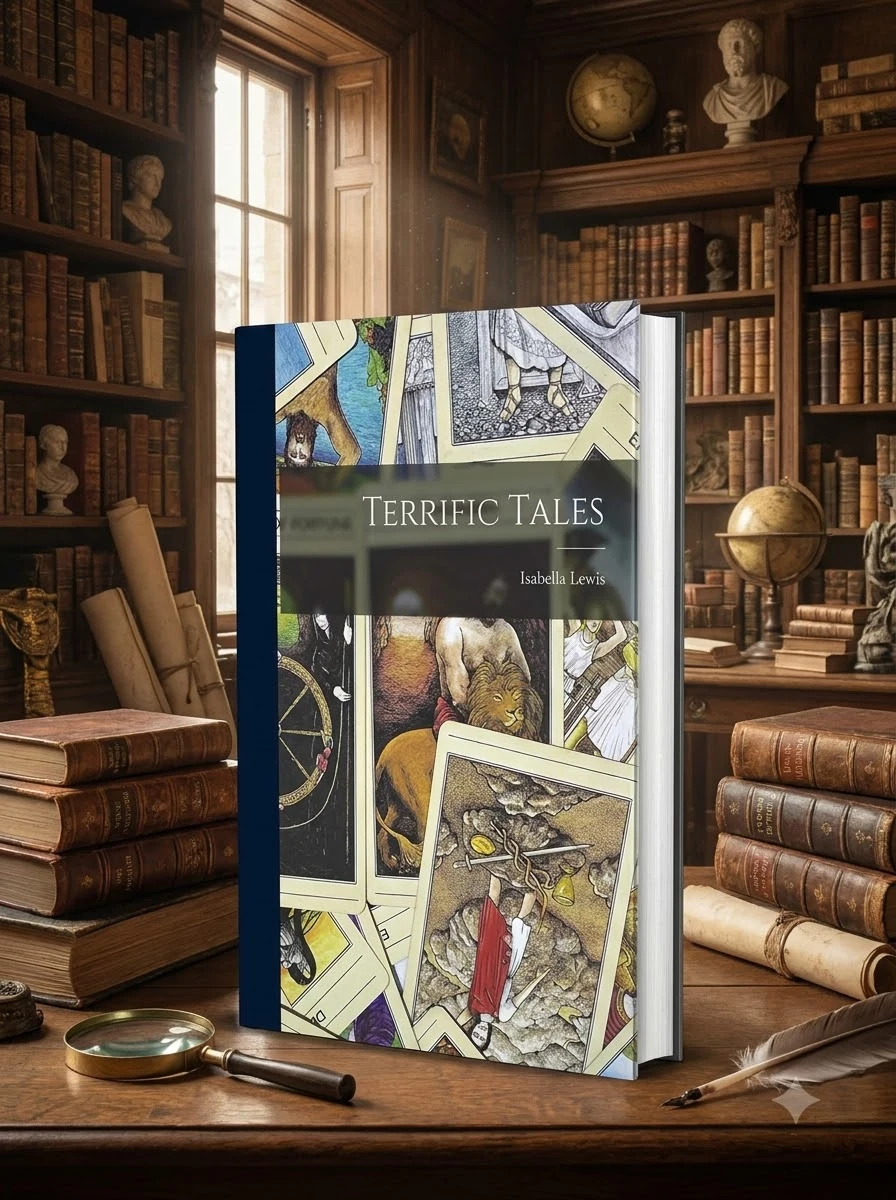
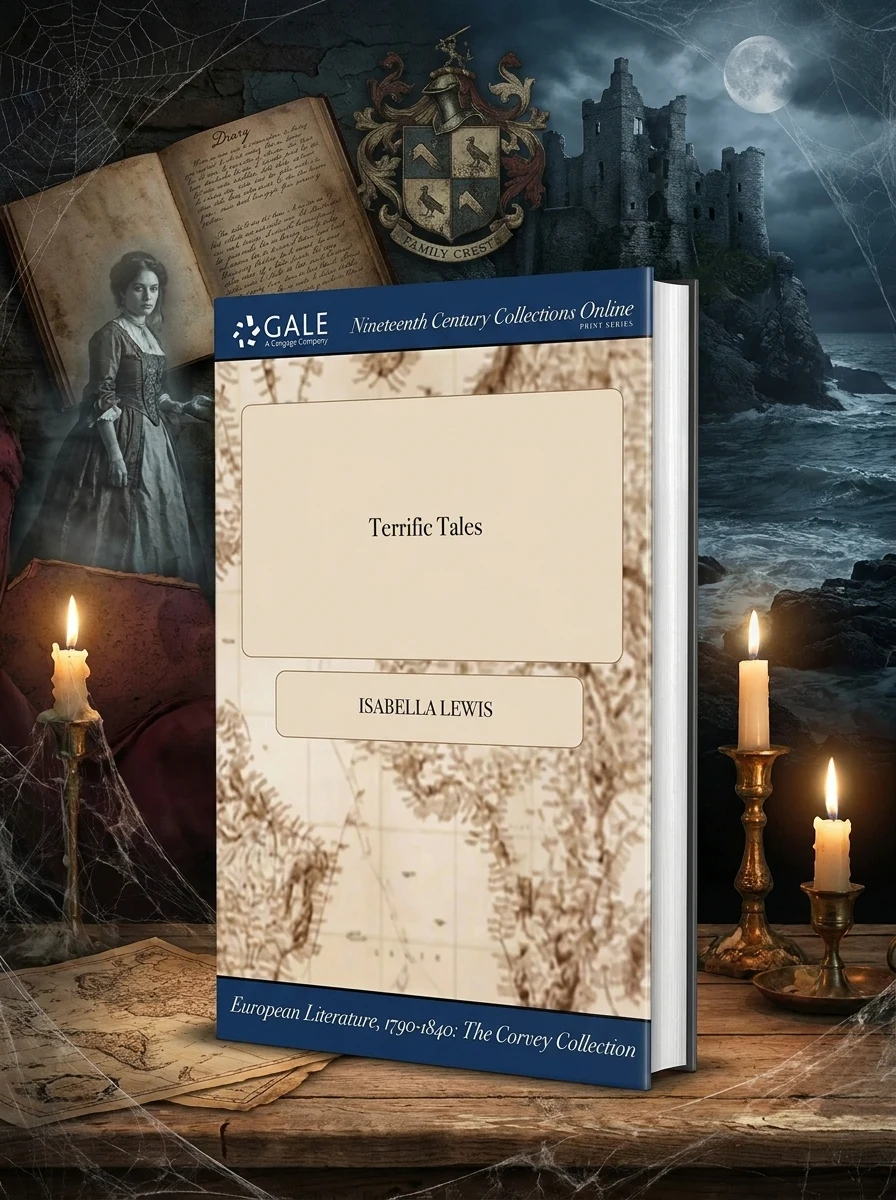
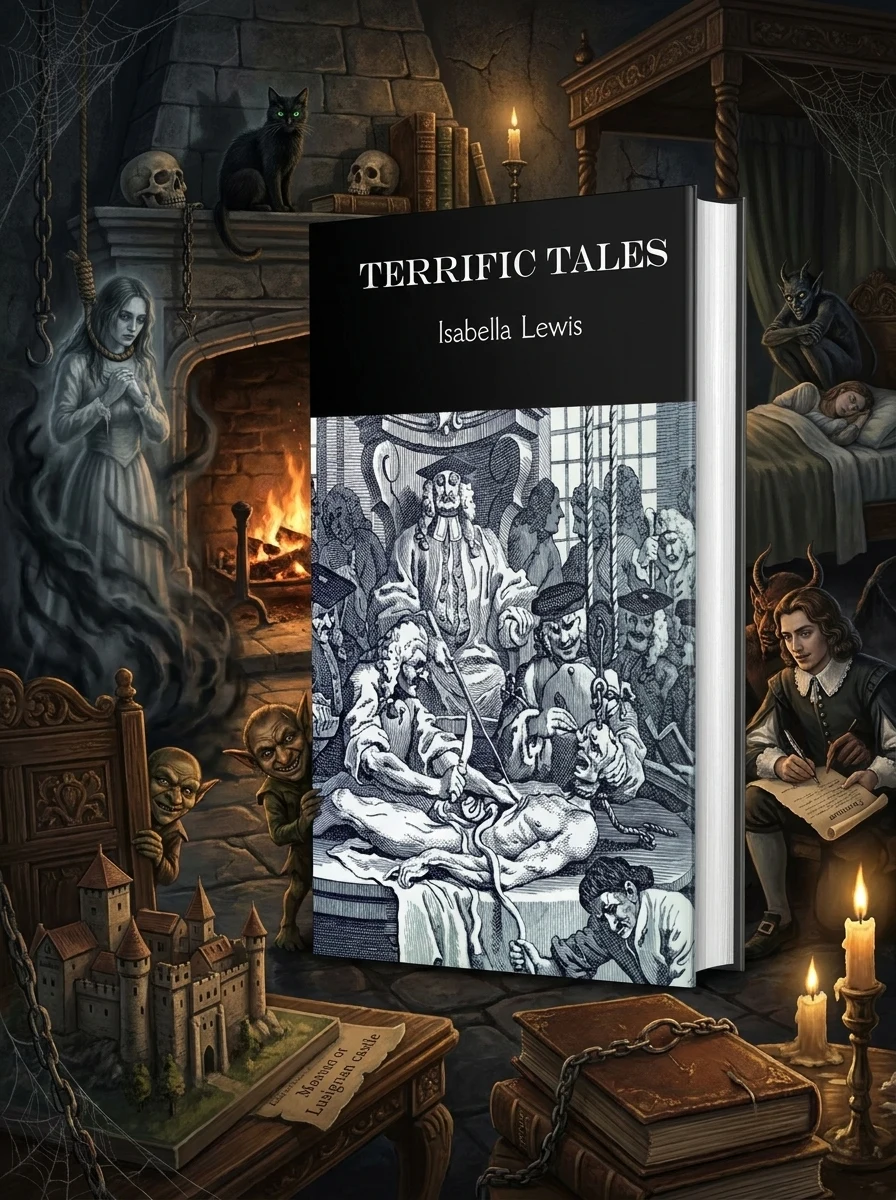
Forty-four true ghost stories from 1804, sourced from ancient legal records and monks' manuscripts.
Isabella Lewis’s 1804 collection, Terrific Tales, offers a chilling glimpse into the supernatural fears of the Regency era. Unlike the fictional Gothic novels of her time, Lewis insists these narratives are factual accounts drawn from Roman texts, medieval manuscripts, and church archives. Readers will encounter a hanged woman’s devil-infested corpse, Hobgoblins at Lusignan Castle, and a maiden transformed into a black cat by her own curses. This rare volume serves as a historical artifact of early paranormal interest, presenting horror not as entertainment, but as documented reality. It stands as a unique bridge between folklore and legal history.
Published in 1804 during the Regency era, this work bridges the gap between historical folklore and early legal documentation, reflecting a period where supernatural beliefs were often treated as factual reality rather than mere entertainment.


📝 Description: Terrific Tales (Valancourt Book) Lewis, Isabella
💎 Expert review
📖 Why choose it
Why this book is worth reading
This rare volume is essential for readers fascinated by the intersection of history, law, and the paranormal. It offers a unique glimpse into Regency-era fears through forty-four accounts presented as factual truths rather than Gothic fiction. If you enjoy uncovering how past societies documented their supernatural anxieties via legal records and monastic archives, this book provides a compelling historical artifact. It is perfect for those who prefer horror rooted in reported reality over imaginative invention, serving as a fascinating bridge between folklore traditions and early paranormal interest.
⭐ Reader reviews
Reader rating
My third book from this store and this one might be the best. The historical context alone makes it worth the price.
I collect works on this subject and this is a worthy addition. Some chapters demand a slow, careful read, and that's exactly the point. It connects ideas I'd only seen treated separately elsewhere. Happy enough with the purchase.
Added this to my reference shelf. There's real depth here that reveals itself on a second reading. The symbolism is layered and generous to patient readers. A few pages arrived with light corner wear, though nothing serious. Good, with the caveats above.
Took a chance on this and glad I did. The language takes some getting used to, but it becomes part of the charm. Some sections stopped me cold in the best way. Shipping was quick too.
Added this to my reference shelf. The typesetting is comfortable for study, with good margins for notes. Five stars from me.
Valancourt Books presents Isabella Lewis’s 1804 collection as a serious historical document rather than a storybook. While the premise of sourcing tales from Roman texts and church archives is intriguing, the book may disappoint readers seeking narrative depth or literary flair. It does not suit those looking for engaging plots or fictional Gothic adventures; instead, it offers dry, factual accounts of hanged corpses and hobgoblins. The value lies in its candid presentation of early paranormal interest as documented reality. Readers who enjoy analyzing historical attitudes toward the supernatural will find merit here, but fans of imaginative horror fiction may find the rigid adherence to 'true' events limiting and somewhat tedious.
❓ Frequently asked questions
📖 Who should read this
Readers fascinated by the history of the paranormal, Gothic literature enthusiasts, and scholars interested in how early 19th-century society documented and interpreted supernatural events as legal or religious facts.
🎯 Key themes and symbolism
Historical Authenticity
Regency-Era Supernaturalism
Legal and Ecclesiastical Records
💬 Quotes from the book
“The body of a woman who had been hanged infested by the devil.”
“Meticulously culled from accounts in ancient Roman texts... and actual legal records.”
📜 Historical context
📚 Glossary
- Gothic Phenomenon
- Lusignan
- Hobgoblin
📔 Questions to reflect on
- How does the claim of 'authenticity' change your perception of these ghost stories compared to modern fiction?
- What does the reliance on 'legal records' tell us about early 19th-century attitudes toward the supernatural?
- Which tale’s moral warning resonates most with contemporary fears about power and consequence?
✍️ More books by this author Lewis, Isabella
All books by this author →
You might also like
See more →