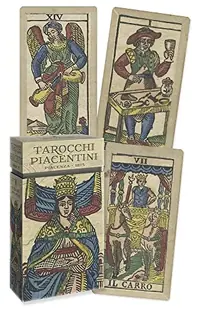
Tarocchi Piacentini: Anima Antiqua Lo Scarabeo
Lo ScarabeoThis edition can be ordered. No arrival date is confirmed.
Unearth a rare Italian tarot, born where ancient traditions converged.
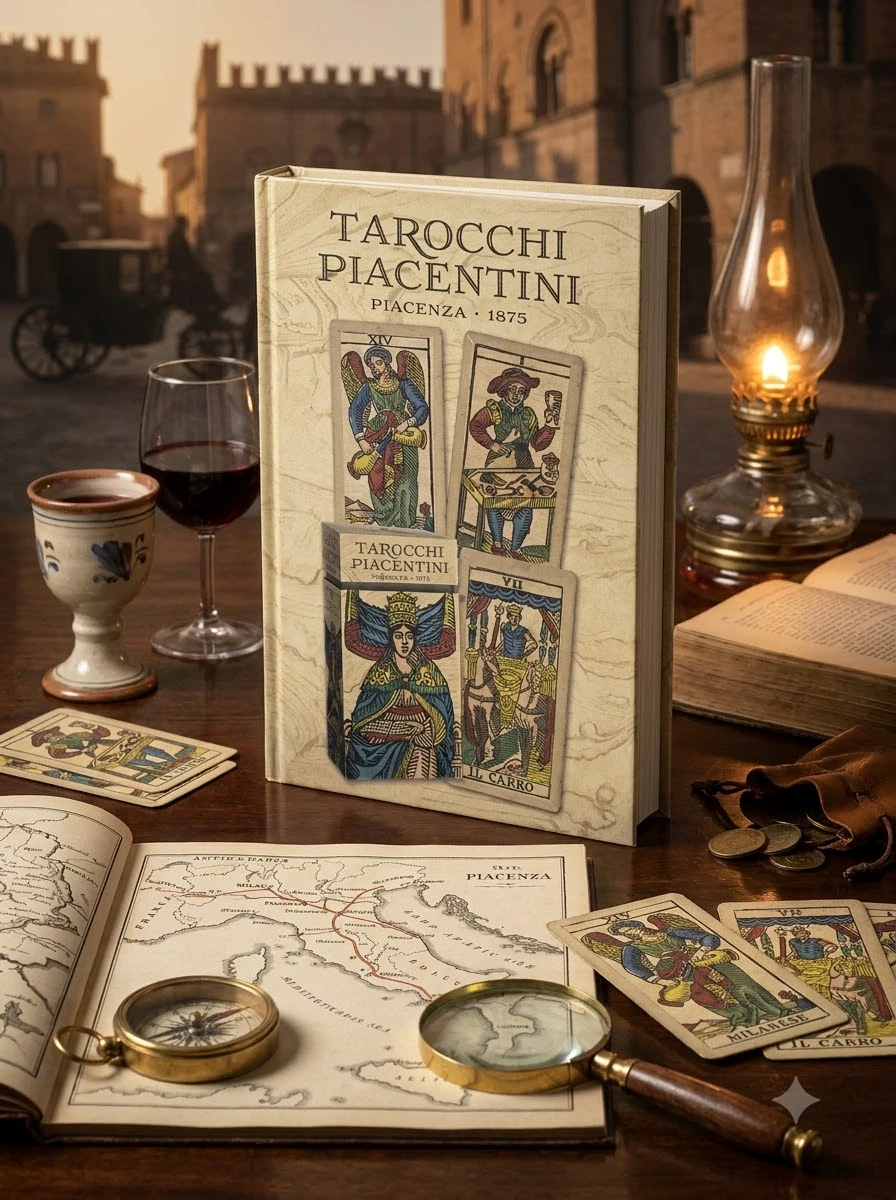
From the heart of 19th-century Piacenza emerges a remarkable tarot deck, a testament to the rich tapestry of Italian cartomancy. This meticulously reproduced set captures the spirit of its 1875 origins, offering a unique glimpse into a pivotal moment in tarot history. Situated at a geographical nexus, the deck beautifully harmonizes distinct influences from the northern Italian schools of Milan, the eastern traditions of Bologna and Ferrara, and the western currents extending towards Savoy and France. It's a journey back to the very roots of modern tarot interpretation.
This work sits at the intersection of 19th-century Italian cartomancy and the broader European esoteric revival, reflecting a period where regional tarot traditions were actively synthesizing diverse influences from Milan, Bologna, Ferrara, Savoy, and France. It serves as a historical document for those studying the geographical and cultural convergence that shaped modern tarot interpretation.


📝 Description: Tarocchi Piacentini: Anima Antiqua Lo Scarabeo
💎 Expert review
📖 Why choose it
Why this book is worth reading
This book is essential for the serious student of tarot history who seeks to understand the ancestral roots of their practice. Readers interested in the geographical nuances of esoteric traditions will find profound value in tracing how Piacenza served as a unique convergence point for northern, eastern, and western Italian influences. It appeals to collectors and historians alike who wish to witness the meticulous reproduction of an 1875 artifact that harmonizes distinct regional schools. By exploring this deck, you gain a tangible connection to the pivotal moments in tarot history, allowing you to appreciate the complex tapestry of Italian cartomancy that underpins modern divination methods.
⭐ Reader reviews
Reader rating
While visually rich and historically significant, this volume is strictly for the dedicated historian or esoteric scholar. It does not suit casual readers seeking immediate divinatory guidance or those unfamiliar with Italian regional history. The focus on geographical synthesis over practical instruction may feel dry to those expecting traditional interpretive frameworks. However, for those willing to engage with the material as a cultural artifact rather than a simple oracle, it offers an unparalleled glimpse into the 19th-century occult landscape. It is a niche treasure that rewards deep study but lacks broad accessibility for the general public.
❓ Frequently asked questions
📖 Who should read this
For discerning collectors, tarot historians, and practitioners seeking to deepen their understanding of tarot's evolution. If you cherish historical accuracy and appreciate the intricate weaving of regional styles in your divinatory tools, this deck offers a profound connection to the past.
🎯 Key themes and symbolism
Confluence of Traditions
The Tarocchi Piacentini stands as a fascinating example of how various tarot lineages can intertwine. It synthesizes elements from the sophisticated Milanese tradition, the scholarly approaches of Bologna and Ferrara, and the elegant designs echoing from Savoy and France, creating a truly hybrid and distinct visual language.
Preserving Historical Art
Part of Lo Scarabeo's esteemed "Anima Antiqua" collection, this reproduction is dedicated to preserving the integrity and aesthetic of historical decks. It ensures that the intricate details and unique character of the original 1875 Piacenza deck are faithfully represented, making it accessible for study and use today.
💬 Quotes from the book
“Here, the vibrant artistry of Milan meets the narrative depth of Bologna, all touched by the subtle elegance whispered from the Alps. It is a language understood by the traveler and the sage alike.”
“The cards speak not just of fortune, but of the very soil from which they sprang – Piacenza's ancient heart, beating with the echoes of merchants, artists, and hidden wisdom.”
📜 Historical context
📚 Glossary
- Tarocchi
- Piacenza
- Anima Antiqua
📔 Questions to reflect on
- How might the geographical convergence of different tarot traditions (Milan, Bologna, France) manifest in the symbolic language or imagery of a single deck?
- Reflect on how understanding the historical context of a tarot deck, like its 1875 origin, influences your personal interpretation of its cards.
- Consider a crossroads in your own life. What wisdom or conflicting influences might a card from the Tarocchi Piacentini offer regarding that specific situation?
📖 From the series “Lo Scarabeo Anima Antiqua”
All books in the series →
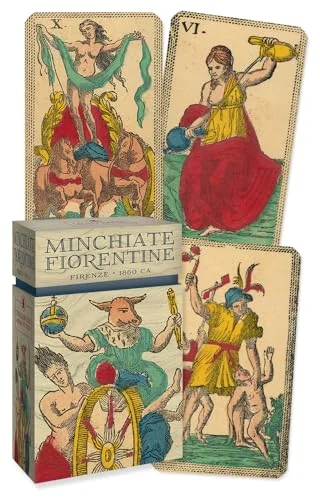
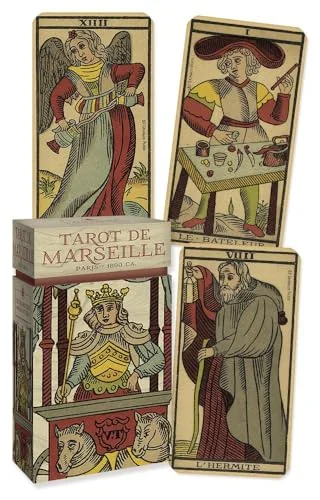
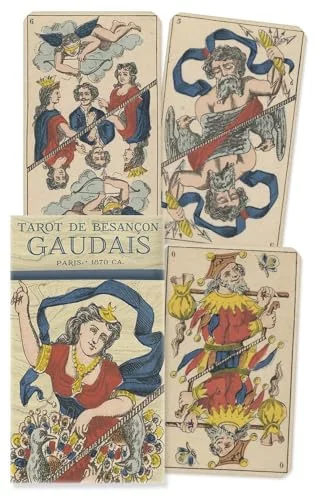
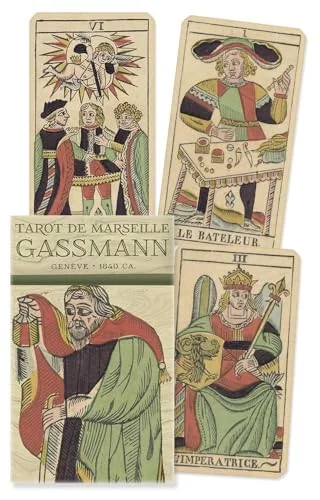
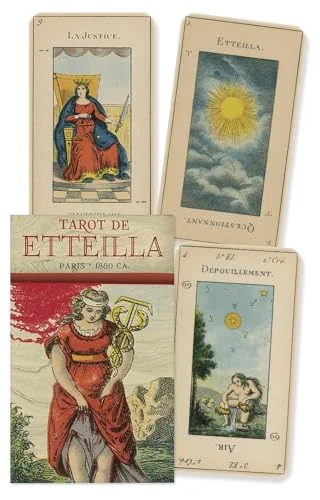
✍️ More books by this author Lo Scarabeo
All books by this author →
 86
86
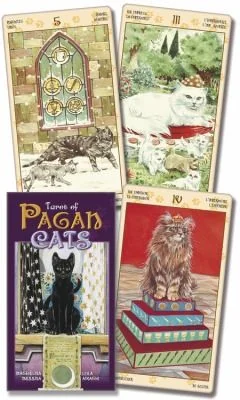 88
88
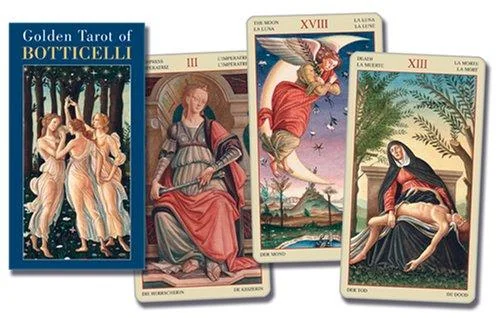 90
90
 79
79
![Quantum Tarot Kit: Version 2.0 [With Paperback Book]](/img/quantum-tarot-kit-version-2-0-with-paperback-book.webp)
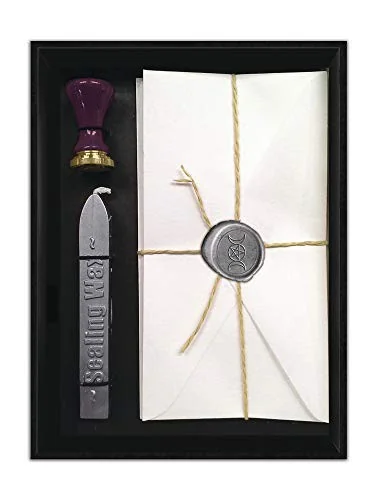
![Wicca Sealing Wax [With Sealing Wax and Stamp Designs] Lo Scarabeo](/img/wicca-sealing-wax-with-sealing-wax-and-stamp-designs-lo-scarabeo.webp)
🏛 Books from this publisher Llewellyn Publications
All books from this publisher →
 89
89



You might also like
See more → 91
91
 88
88
![Celtic Sealing Wax [With Sealing Wax and Stamp Designs] Lo Scarabeo](/img/celtic-sealing-wax-with-sealing-wax-and-stamp-designs-lo-scarabeo-scene.webp)