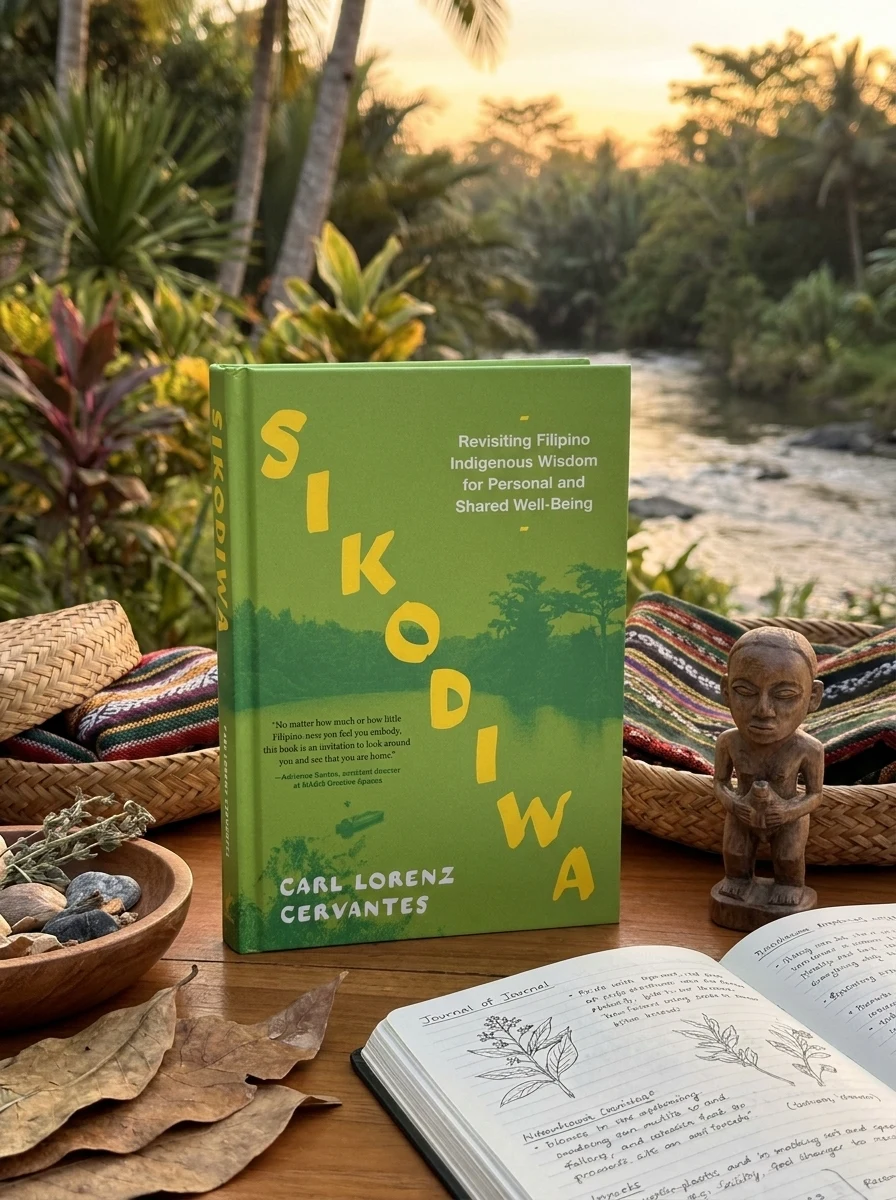
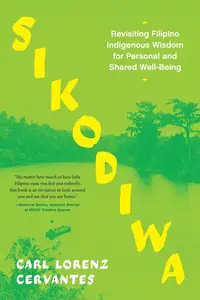
Sikodiwa: Revisiting Filipino Indigenous Wisdom for Personal and Shared Well-Being


Stock reported in the catalog; fulfillment is confirmed with your request.
Unearth ancestral Filipino wisdom for profound personal and collective liberation.
Carl Lorenz Cervantes masterfully guides readers through the rich tapestry of Filipino indigenous psychology and ancient spiritual practices. Moving beyond colonial distortions, this book reclaims a vibrant ancestral worldview, drawing from folklore, linguistic insights, and ethnographic studies. Cervantes offers a powerful framework for personal growth and shared well-being, inviting both those of Filipino heritage and seekers of universal truths to engage with a decolonized understanding of identity and spirit. It's an essential journey into the heart of a resilient culture's enduring wisdom.
This work sits at the intersection of contemporary decolonial theory and indigenous Filipino psychology, reclaiming ancestral wisdom from colonial distortions. It bridges ethnographic study with practical spiritual frameworks for modern well-being.


📝 Description: Sikodiwa: Revisiting Filipino Indigenous Wisdom for Personal and Shared Well-Being
💎 Expert review
📖 Why choose it
Why this book is worth reading
Readers deeply invested in decolonizing their spiritual practice or seeking authentic indigenous perspectives will find this book transformative. It offers a vital corrective to colonial narratives, providing a robust framework for personal growth rooted in Filipino heritage. Those yearning for shared well-being through ancestral connection will appreciate the gentle guidance toward liberation. It is particularly valuable for individuals exploring how folklore and linguistics can heal identity fractures. Ultimately, it serves as an essential bridge for seekers of universal truths who wish to engage with a resilient culture’s enduring wisdom without appropriation.
⭐ Reader reviews
Reader rating
Cervantes delivers a compelling reclamation of Filipino indigenous psychology, yet this text may not suit readers seeking quick self-help fixes or those uninterested in the labor of decolonization. It requires engagement with complex cultural and linguistic insights rather than passive consumption. Readers looking for purely Western esoteric traditions might find the specific ethnographic focus alienating. However, for those willing to delve into the tapestry of ancestral worldview, it offers profound clarity. The book is not for those resistant to challenging colonial distortions or exploring non-Western spiritual architectures.
❓ Frequently asked questions
📖 Who should read this
If you are drawn to ancestral wisdom, decolonized perspectives, or cultural psychology, this book is for you. Readers seeking to understand Filipino heritage, or anyone yearning for profound insights into self and collective well-being outside conventional frameworks, will find a powerful guide.
🎯 Key themes and symbolism
Indigenous Filipino Psychology
Cervantes delves into the unique framework of Filipino consciousness, revealing how language, folklore, and ancestral knowledge shape perception and spiritual practices. This exploration offers a profound alternative to Western psychological models, emphasizing collective well-being and a deep connection to heritage, providing insights into a worldview often overlooked or misunderstood.
Reclaiming Decolonized Identity
This work courageously reorients the narrative of Filipino history and identity, challenging the long-standing colonial lens. By highlighting indigenous perspectives, Cervantes empowers readers to see Filipino culture not as a passive recipient of history, but as a vibrant, self-determining force, asserting its stories and pathways to liberation on its own terms.
Holistic Well-being & Spirit
Beyond academic exploration, the book offers tangible pathways to personal and community flourishing. It integrates ancient wisdom and spiritual tools into contemporary life, fostering a deeper connection to one's roots and fostering resilience. This approach to well-being is holistic, intertwining individual health with the health of one's ancestral and cultural lineage.
💬 Quotes from the book
“Ang hindi marunong lumingon sa pinanggalingan ay hindi makararating sa pinaroroonan: Those who do not honor their roots will never reach their destination.”
“We are the descendants of our colonized ancestors, but we are also the grandchildren of the revolution.”
📜 Historical context
📚 Glossary
- Sikodiwa
- Indigenous Worldview
- Decolonization
📔 Questions to reflect on
- How might honoring your own ancestral roots, regardless of your background, shape your personal journey and understanding of your 'destination'?
- Reflect on how historical narratives have influenced your perception of your own culture or identity. What aspects might you wish to 'reclaim' or re-examine?
- Consider the idea of 'shared well-being.' How do your personal actions contribute to, or detract from, the well-being of your community and the collective spirit?
🏛 Books from this publisher North Atlantic Books
All books from this publisher →



You might also like
See more →