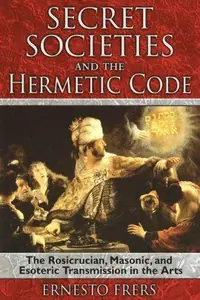
Secret Societies and the Hermetic Code: The Rosicrucian, Masonic, and Esoteric Transmission in the Arts
Frers, Ernesto

This edition can be ordered. No arrival date is confirmed.
Unmask the hidden wisdom woven into humanity's greatest artistic achievements.
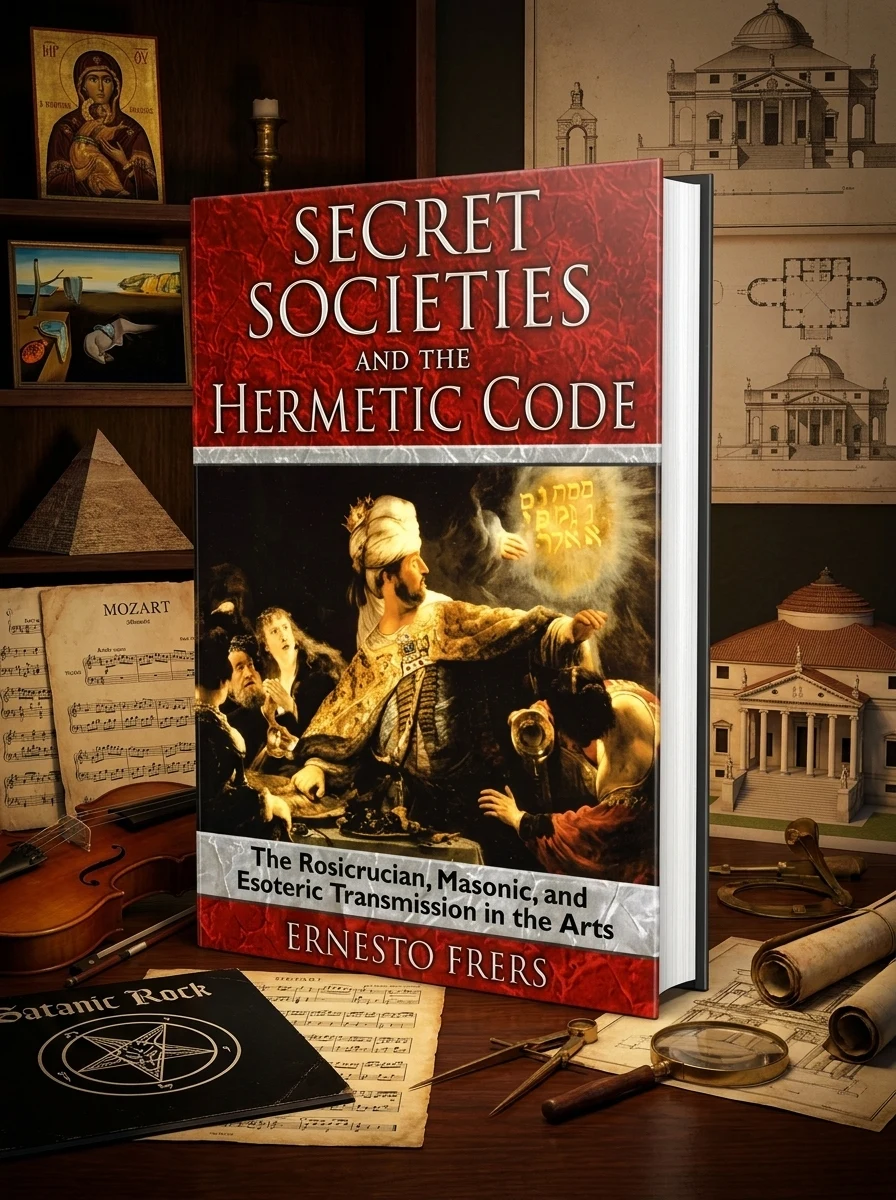
Ernesto Frers masterfully deciphers the esoteric language embedded within millennia of human artistic endeavor. This compelling volume argues that secret societies and Hermetic traditions have consistently encoded profound spiritual and philosophical truths within painting, sculpture, music, and architecture. From ancient pyramids to Renaissance masterpieces and contemporary rock, Frers reveals how these hidden symbols served to transmit clandestine knowledge, offering a captivating journey through a 'virtual museum' of veiled wisdom and demonstrating art's enduring role as a repository for the sacred.
This work sits firmly within the Hermetic and esoteric traditions, exploring the intersection of secret societies like the Rosicrucians and Freemasons with artistic history. It contributes to the genre of symbolic interpretation by tracing spiritual transmission through various art forms from antiquity to modern times.


📝 Description: Secret Societies and the Hermetic Code: The Rosicrucian, Masonic, and Esoteric Transmission in the Arts
💎 Expert review
📖 Why choose it
Why this book is worth reading
Readers deeply fascinated by the hidden layers of meaning in art will find this volume an indispensable guide to understanding the spiritual architecture behind cultural masterpieces. It is ideal for those who suspect that great artistic achievements are not merely aesthetic expressions but deliberate codifications of ancient wisdom. By following Frers’ virtual museum, you gain access to a concealed narrative connecting pyramids to rock music, revealing how esoteric truths have survived through symbols. If you seek to decode the sacred language embedded in human creativity and understand the enduring role of secret societies in preserving knowledge, this book offers a captivating journey into the veiled wisdom that has shaped our cultural heritage.
⭐ Reader reviews
Reader rating
Frers provides a compelling argument for the pervasive influence of Hermetic traditions on artistic history, offering a unique lens through which to view everything from Renaissance paintings to contemporary music. The concept of a 'virtual museum' allows for a broad yet focused exploration of esoteric transmission. However, readers seeking rigorous academic historiography or secular art criticism may find the speculative nature of the connections frustrating. It is not suited for those who prefer explicit textual evidence over symbolic interpretation or who view art solely through a socio-political rather than spiritual framework. The book shines for its imaginative synthesis but demands an openness to metaphysical premises.
❓ Frequently asked questions
📖 Who should read this
If you're drawn to the intersection of art history, secret societies, and mystical philosophy, this book is for you. It offers a unique lens for understanding how profound esoteric knowledge has been secretly preserved and communicated across centuries through creative expression, inviting you to see art anew.
🎯 Key themes and symbolism
Hidden Symbolism in Art
This book explores how artists, often influenced by secret societies or hermetic principles, subtly integrated mystical references into their creations. It reveals the deliberate use of symbols to convey esoteric wisdom, particularly when open expression was forbidden, transforming artworks into silent repositories of profound, often dangerous, knowledge.
Cross-Cultural Esoteric Transmission
Frers demonstrates the universal practice of encoding spiritual instructions across diverse cultures and historical periods. He traces this phenomenon from ancient mystery sites like the Pyramids to the intricate details of Byzantine icons and the revolutionary surrealism of Salvador Dalí, highlighting a continuous thread of hidden wisdom connecting civilizations.
Art as Sacred Repository
The text posits that various art forms—be it painting, architecture, or music—function as vital vessels for preserving esoteric ritual and faith. It shows how these mediums became essential for transmitting knowledge that might otherwise be lost, especially during periods of religious suppression or social upheaval, making art a living archive.
💬 Quotes from the book
“Every line, every note, every carved stone can be a whisper from the ancients, a coded message awaiting the discerning eye and open mind.”
“Mozart's symphonies, no less than the intricate geometries of Palladio, resonate with an underlying numeric and symbolic order, hinting at truths beyond the mundane.”
📜 Historical context
📚 Glossary
- Hermeticism
- Rosicrucianism
- Freemasonry
📔 Questions to reflect on
- Consider a piece of art you've always admired. How might its creator have embedded deeper, less obvious meanings within its form or subject, inspired by esoteric knowledge?
- Reflect on how societies, past and present, utilize symbolism to convey ideas or beliefs that might be difficult or dangerous to express openly. Can you think of contemporary examples?
- If you were to encode a profound spiritual or philosophical truth into a contemporary artwork using 'secret' symbols, what symbols would you choose and what would they represent?
✍️ More books by this author Frers, Ernesto
All books by this author →
🏛 Books from this publisher Destiny Books
All books from this publisher →





You might also like
See more →