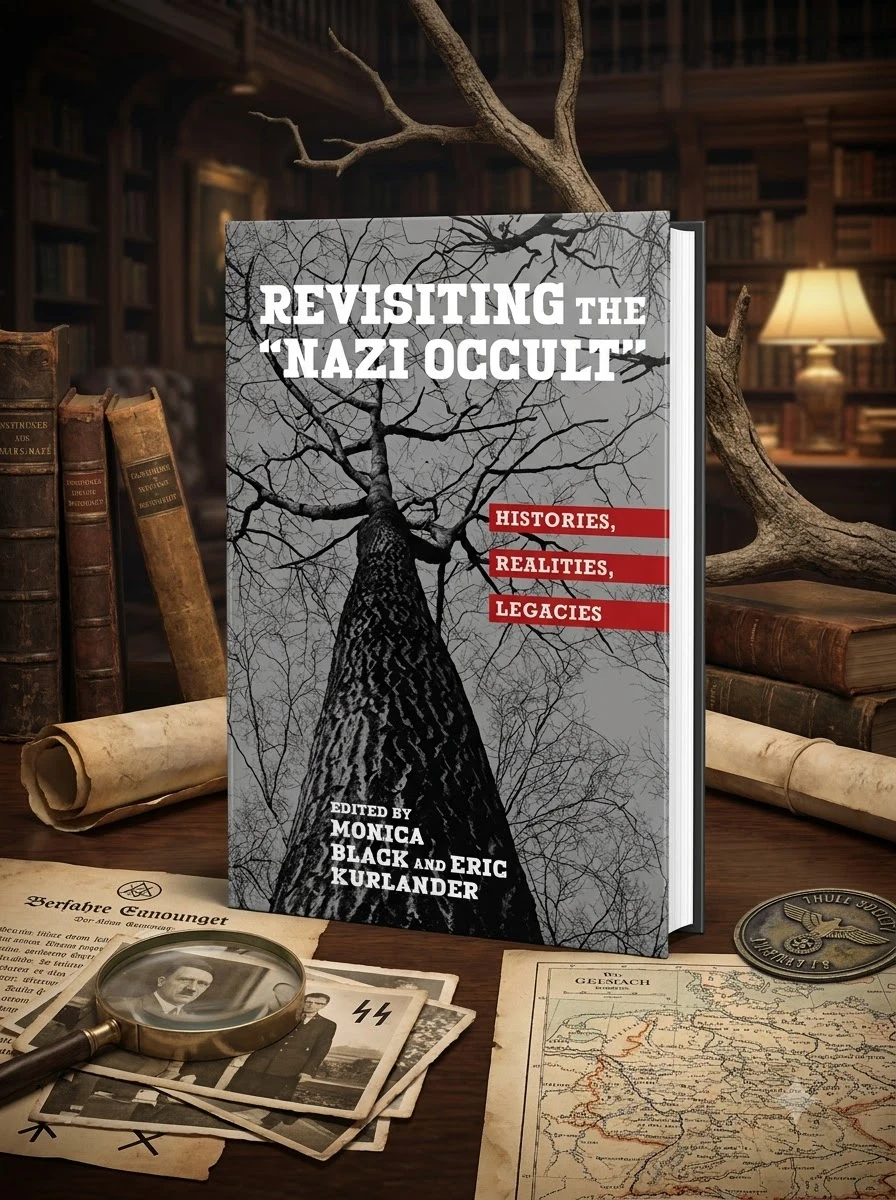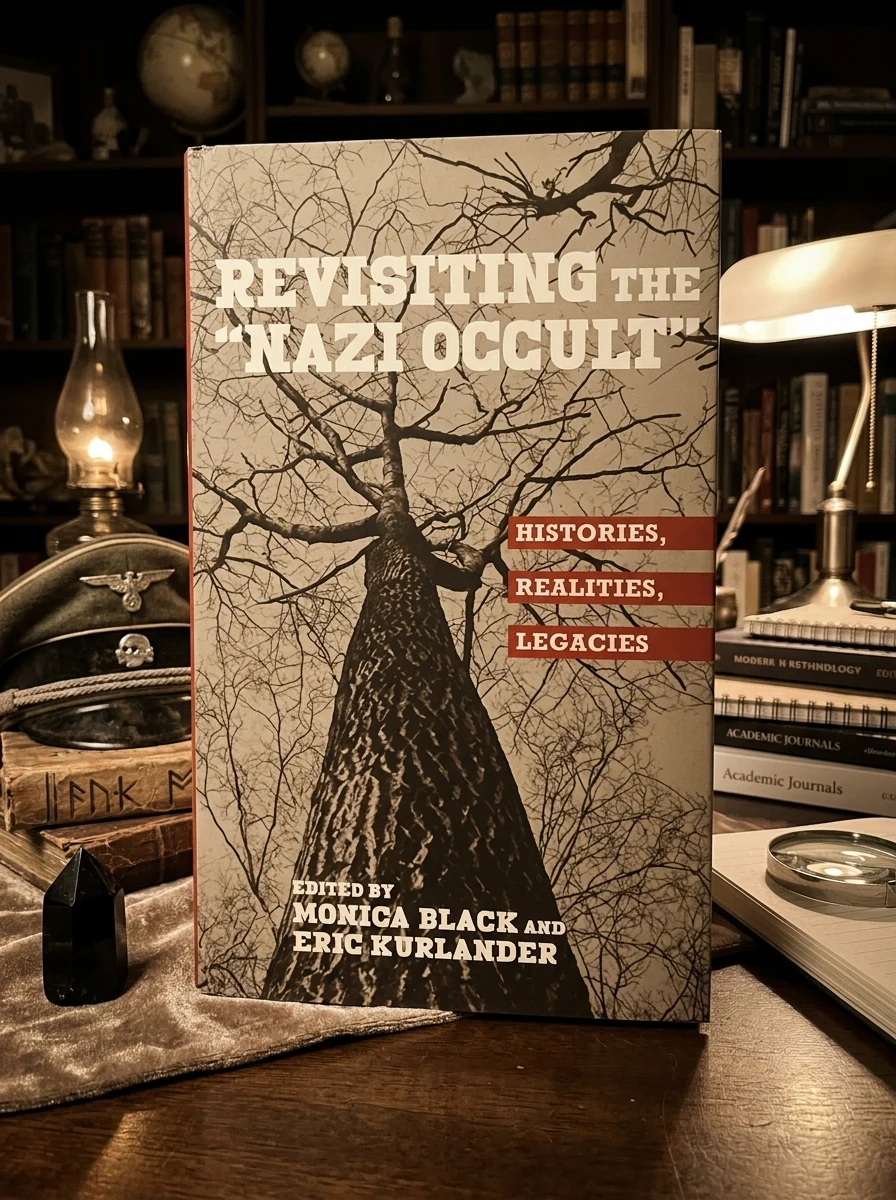
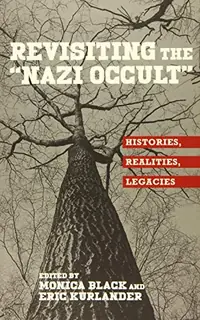
Revisiting the Nazi Occult: Histories, Realities, Legacies - Ingram Academic Black, Monica
Black, Monica; , Kurlander, Eric 83
83
 Editorial score
How we rate
Editorial score
How we rate
Stock reported in the catalog; fulfillment is confirmed with your request.
Unravel the complex, often misunderstood connections between the occult and Nazism.
For decades, the historical relationship between esoteric beliefs and the Nazi regime has been hotly debated. This insightful collection of essays challenges long-held assumptions, moving beyond simplistic narratives that either overstate or entirely dismiss the occult's influence. By presenting fresh academic perspectives, the volume meticulously examines how mystical traditions and alternative spiritualities intertwined with the rise of Nazism, its ideological underpinnings, and its enduring post-war echoes. It promises to reignite scholarly discussions and deepen our understanding of this dark chapter in history.
Situated within the rigorous academic discourse surrounding the intersection of esotericism and totalitarian regimes, this work challenges prevailing historical narratives regarding the Nazi era's spiritual dimensions. It contributes to the ongoing scholarly debate by offering fresh perspectives on how mystical traditions influenced ideological underpinnings.


📝 Description: Revisiting the Nazi Occult: Histories, Realities, Legacies - Ingram Academic Black, Monica
💎 Expert review
📖 Why choose it
Why this book is worth reading
This volume is essential for scholars and serious history enthusiasts who seek to move beyond simplistic myths about the Nazi occult. By dismantling long-held assumptions, it offers a nuanced view of how alternative spiritualities intertwined with Nazism’s rise and legacy. Readers interested in the complex realities of historical ideologies will find value in its meticulous examination of post-war echoes and ideological roots. It is perfect for those eager to reignite scholarly discussions with fresh, evidence-based academic perspectives rather than sensationalist tales.
⭐ Reader reviews
Reader rating
While this collection provides valuable academic rigor by challenging oversimplified narratives about esoteric influences on the Nazi regime, it is strictly an intellectual exercise. It does not suit casual readers seeking accessible storytelling or those expecting definitive proof of supernatural involvement in historical events. The dense, essay-based format demands a scholarly temperament and familiarity with complex historical debates. Those looking for straightforward answers or sensationalist occult history will likely find this work too dry and academically demanding for their tastes.
❓ Frequently asked questions
📖 Who should read this
If you're fascinated by the intersection of history, esotericism, and political movements, this volume offers a nuanced, academically rigorous exploration. It’s for readers eager to move beyond sensationalism and engage with cutting-edge scholarship on a persistently controversial topic.
🎯 Key themes and symbolism
Pre-War Esoteric Roots
The book meticulously uncovers the various mystical philosophies and occult movements that gained traction in Germany between 1890 and 1933, exploring how these ideas seeped into the consciousness of both future Nazi leaders and the general populace who would eventually embrace their ideology. It reveals the fertile ground upon which darker doctrines could take root.
Occultism in the Third Reich
This section delves into the period of Nazi power, scrutinizing the extent to which occult and alternative religious convictions actively shaped Nazism's evolving ideological framework, its political machinations, and its cultural expressions. It asks how these beliefs informed the regime's actions and public face during its reign.
Enduring Occult Legacies
Beyond the fall of the Third Reich, the volume traces the lasting impact and persistent myths surrounding the Nazi occult. By highlighting both continuous threads and significant breaks in perception, it examines how these narratives have evolved and continue to influence our understanding of the period and its darker spiritual undercurrents.
💬 Quotes from the book
“The long-standing scholarly debate surrounding occultism's precise role in Nazism demands a fundamental reappraisal, moving beyond entrenched positions.”
“Understanding the Third Reich requires acknowledging both the continuities of pre-war esoteric thought and the disjunctures in how these ideas were adopted or rejected by the regime.”
📜 Historical context
📚 Glossary
- Occultism
- Esoteric
- Third Reich
📔 Questions to reflect on
- How might a society's existing esoteric or mystical currents make it more, or less, susceptible to extremist political ideologies?
- Consider how the historical portrayal of the 'Nazi occult' has shifted over time. What does this tell us about our own cultural anxieties or understandings of evil?
- If alternative forms of knowledge were sometimes viewed with hostility by the Nazis, how do you reconcile this with evidence of esoteric influence within the movement?
📖 From the series “German History in Context”
All books in the series →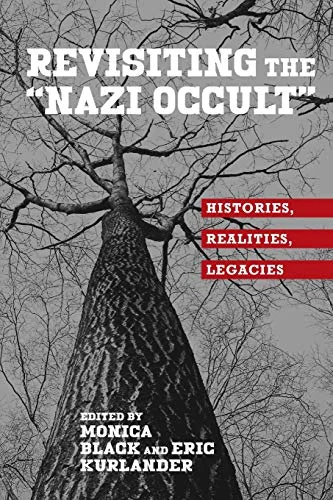
✍️ More books by this author Black, Monica; , Kurlander, Eric
All books by this author →🏛 Books from this publisher Camden House (NY)
All books from this publisher →You might also like
See more →