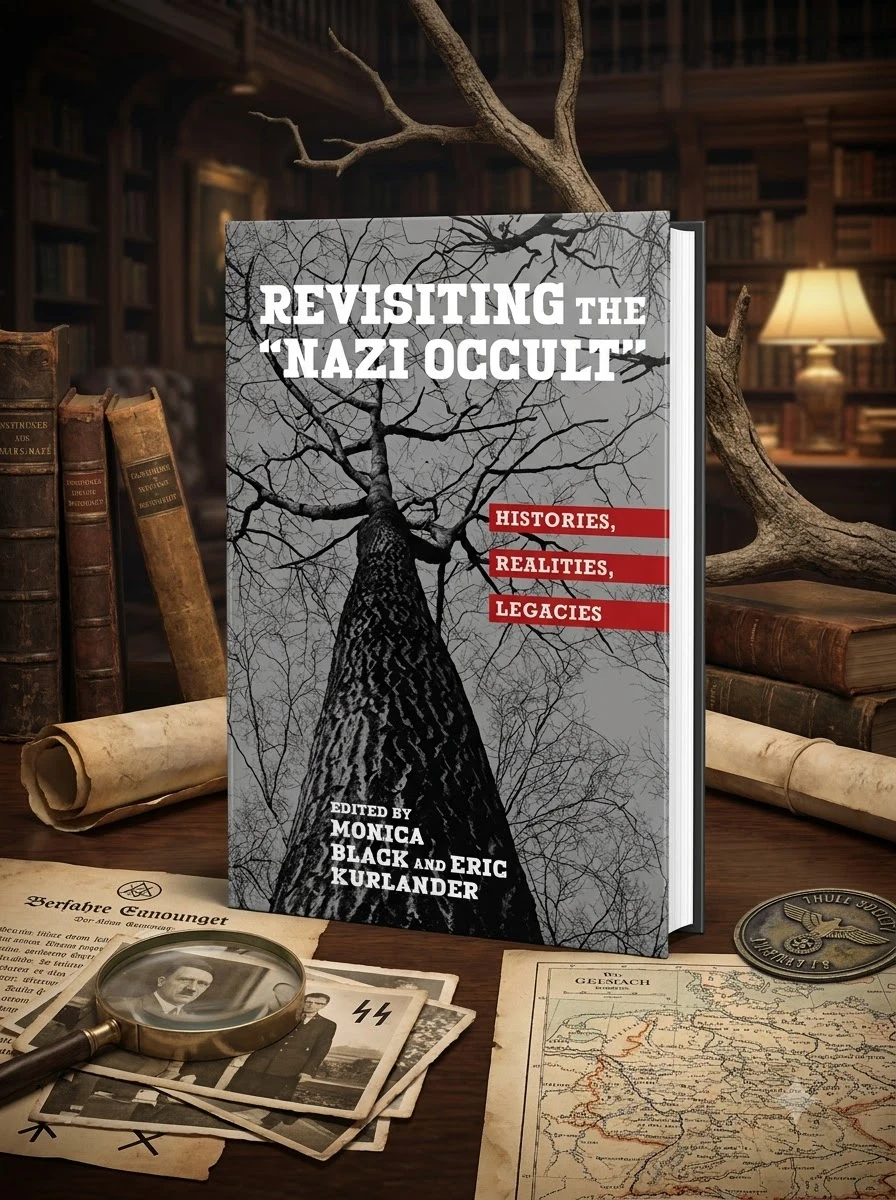
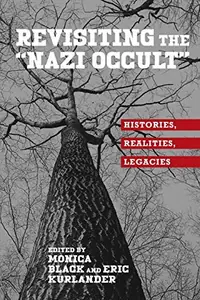
Revisiting the Nazi Occult: Histories, Realities, Legacies - Ingram Academic Black, Monica
Black, Monica; , Kurlander, EricStock reported in the catalog; fulfillment is confirmed with your request.
Unravel the dark, contested threads connecting esoteric traditions to the rise and fall of Nazism.
This compelling collection fundamentally re-evaluates the intricate, often misunderstood relationship between occult practices and Nazism. Moving beyond simplistic narratives of outright rejection or total embrace, it navigates the complex interplay of esoteric philosophies and political power across three distinct eras. From pre-war influences on Nazi ideologues to the role of alternative beliefs within the Third Reich, and finally to its enduring post-war legacies, this volume offers a nuanced, scholarly reappraisal, promising to invigorate ongoing discussions about this sensitive historical topic.
This volume sits at the intersection of academic historiography and esoteric studies, addressing the complex legacy of occultism within twentieth-century political movements. It contributes to ongoing scholarly debates regarding the influence of alternative beliefs on fascist ideology.


📝 Description: Revisiting the Nazi Occult: Histories, Realities, Legacies - Ingram Academic Black, Monica
💎 Expert review
📖 Why choose it
Why this book is worth reading
Scholars and serious enthusiasts of esoteric history will find this collection indispensable for its nuanced reappraisal of the controversial link between occult practices and Nazism. It moves beyond simplistic narratives to explore how pre-war influences shaped ideologues, how alternative beliefs functioned within the Third Reich, and how these themes persist post-war. By unraveling these dark threads, the book offers a necessary, scholarly correction to popular misconceptions. Readers seeking a deep, rigorous understanding of how political power intersects with esoteric philosophy will gain significant insight into this sensitive historical topic, making it vital for those committed to accurate historical discourse rather than sensationalism.
⭐ Reader reviews
Reader rating
This academic collection provides a robust, scholarly evaluation of the intricate relationship between occultism and Nazism across three distinct eras. It successfully challenges binary narratives of total embrace or rejection, offering a sophisticated analysis of esoteric influences on political power. However, readers seeking popular, sensationalist accounts of 'Nazi magic' or those uncomfortable with dense academic prose will find this text inaccessible and dry. It is strictly for those prepared to engage with complex historical realities rather than myths. The work demands intellectual effort, rewarding careful study with a clearer picture of history's contested threads.
❓ Frequently asked questions
📖 Who should read this
If you're a serious student of history, an occult scholar, or simply fascinated by the shadowy intersections of power and belief, this book is for you. It challenges preconceived notions and offers a robust, academic perspective on a profoundly controversial subject.
🎯 Key themes and symbolism
Early Esoteric Influences
Explore how various esoteric philosophies and burgeoning occult movements shaped the intellectual landscape of Germany from the late 19th century through 1933. This section meticulously details the ideas and figures that captivated both future Nazi leaders and ordinary citizens, laying a complex groundwork often overlooked in mainstream historical accounts of the period.
Occult in the Third Reich
Delve into how alternative spiritual beliefs subtly yet significantly informed Nazism's ideological framework, political machinations, and cultural expressions during its ascent and reign. This analysis moves beyond superficial claims, examining the deeper, often contradictory, ways occult thought permeated elements of the regime's self-conception and public persona.
Enduring Occult Legacies
Trace the lasting impact and evolving interpretations of Nazism's relationship with the occult into the post-war era. This final section investigates both the continuities of certain ideas and the significant disjunctures in how these connections have been understood and debated, offering a critical look at the historical and cultural afterlife of these dark theories.
💬 Quotes from the book
“The facile dismissal of occult influence as mere 'irrationality' obscures a far more complex historical interplay.”
“Understanding Nazism requires grappling with the full spectrum of ideas, both conventional and unconventional, that shaped its insidious appeal.”
📜 Historical context
📚 Glossary
- Occultism
- Esoteric Philosophies
- Third Reich
📔 Questions to reflect on
- How might our understanding of historical movements change if we more deeply consider the 'fringe' beliefs and spiritual currents prevalent at the time?
- Reflect on how the human desire for esoteric knowledge can be manipulated or co-opted by political ideologies, drawing parallels if any, with contemporary movements.
- Considering the ongoing debates, what responsibilities do scholars have when addressing sensitive and often sensationalized topics like the Nazi occult?
📖 From the series “German History in Context”
All books in the series →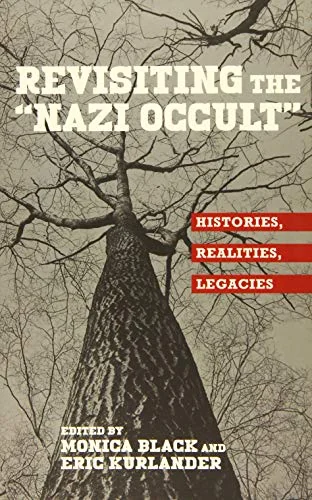
✍️ More books by this author Black, Monica; , Kurlander, Eric
All books by this author →🏛 Books from this publisher Camden House (NY)
All books from this publisher →You might also like
See more →


 91
91