US shipping Secure card payment Occult and esoteric books

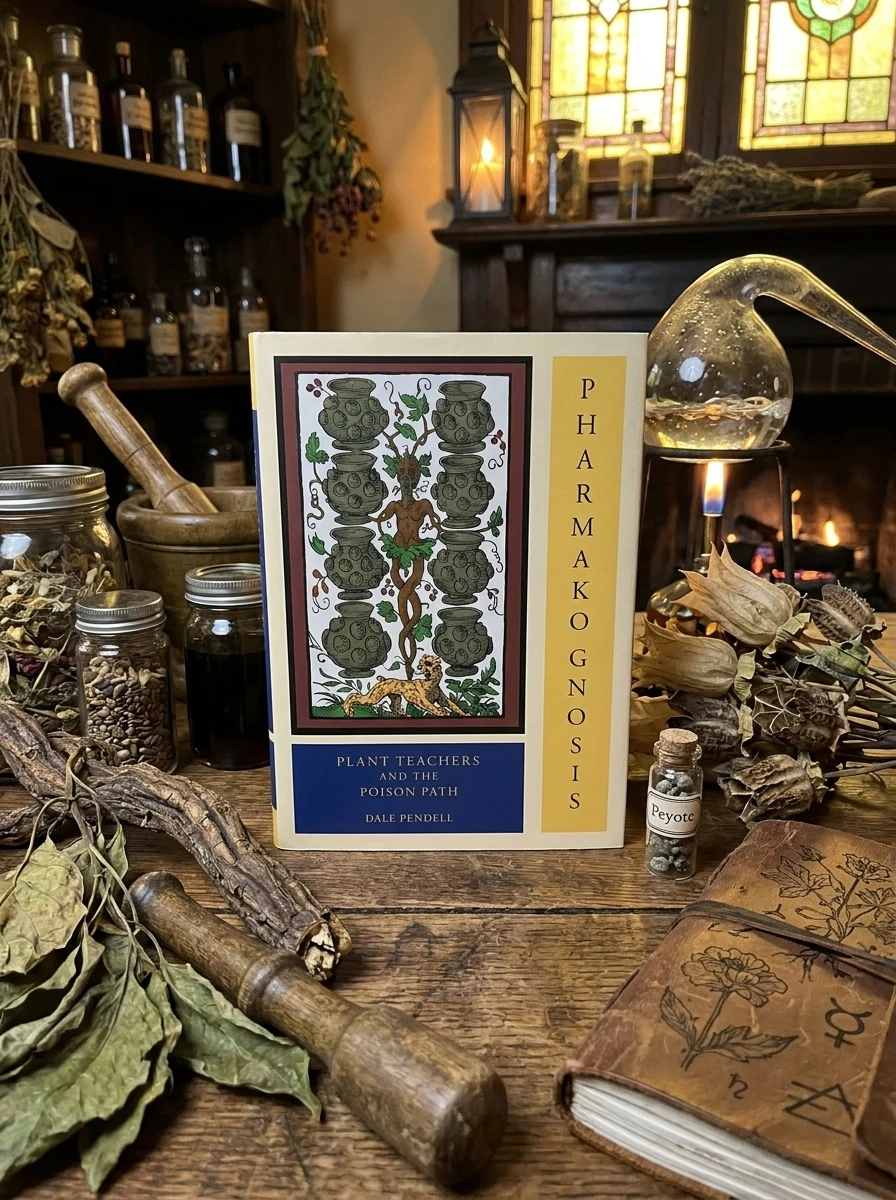
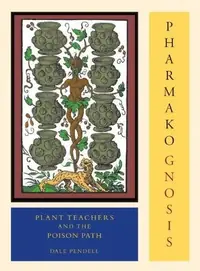
Pharmako/Gnosis, Revised and Updated: Plant Teachers and the Poison Path Pendell, Dale

Pendell, Dale
Reader rating
4.7
(4 reviews) 74 sold
In stock

Stock reported in the catalog; fulfillment is confirmed with your request.

📚 ABOUT THE BOOK

Dale Pendell’s definitive guide to the sacred and toxic botanical allies of human consciousness.

This third volume completes Pendell’s immersive exploration into the lore of psychoactive flora, blending rigorous science with playful erudition. He maps the cultural and botanical landscapes of substances ranging from Amanita muscaria and iboga to synthetic ketamine and puffer fish toxins. Rather than offering mere pharmacological data, Pendell illuminates the nuanced histories, traditional uses, and modern interpretations of these plant teachers. It is a comprehensive standalone reference that respects both the ancient wisdom and contemporary context of visionary plants.

Key themes
Plant Consciousness Toxicology and Lore Shamanic History
Historical context

This work stands as a definitive reference within the modern occult and esoteric tradition, bridging ancient botanical lore with contemporary scientific understanding of consciousness-altering substances.


Difficulty
●●● Demanding
Fans will love it
Terence McKenna · Richard Evans Schultes · Graham Hancock
🕯️ Occult Philosophy
🏛 North Atlantic Books 📖 408 pages 📔 Paperback 📐 Paperback ISBN: 9781556438042
Fun fact
Pendell succeeds brilliantly in weaving dry data into a living narrative, making this essential for serious students of ethnobotany. However, casual readers seeking quick recreational advice will likely find its density daunting. It sits as a monumental reference work, bridging the gap between academic rigor and mystical appreciation, indispensable for those who respect the complexity of plant spirits.
📚 This book appears in Esoterica Books

📝 Description: Pharmako/Gnosis, Revised and Updated: Plant Teachers and the Poison Path Pendell, Dale

Delving deep into the world of psychoactive plants, including ayahuasca, Pharmako/Gnosis serves as a comprehensive and standalone guide. Celebrated by readers as a modern classic, this is a must-have for anyone interested in the science, history, and lore of psychoactive substances. In this third and final volume of the Pharmako trilogy, Dale Pendell embarks on a captivating journey through the botanical and cultural landscapes of a diverse array of mind-altering "teachers." From plant-based psychedelic substances to their synthetic derivatives, Pendell illuminates each with an erudition and playful wit uniquely his own. He delves into the worlds of traditional use and modern interpretations of substances such as: Amanita muscaria Ayahuasca (Banisteriopsis caapi) Blowfish/Puffer Fish (Tetradontidae) Bufo alvarius Iboga (Tabernanthe iboga) Jurema (Mimosa hostilis) Ketamine Kratom (Mitragynia speciosa) Mescal Bean (Sophora secundiflora) Morning Glory (Ipomoea, Rivea spp.) Peyote Psilocybe (Teonanacatl) San Pedro Cactus Tropane alkaloids Peganum harmala Pharmako/Gnosis offers more than a mere historical or pharmacological background of these substances. Pendell delves into the nuances of each substance's effect on consciousness with a poetic finesse, bringing to life our profound and intricate relationship with these potent compounds. He approaches the topic with genuine curiosity, acknowledging the transformative power these substances wield over individuals, societies, and cultures. The narrative, enriched by a wealth of quotations from acclaimed writers, is as intoxicating as the substances it explores, brewing a unique literary concoction. Taking the reader beyond the confines of traditional scientific discourse, Pendell's distinctive narrative style weaves in personal experiences, anecdotal evidence, and a profound sense of the sacred, resulting in a reading experience that is as deeply engaging as it is informative.

💎 Expert review

💎
Esoterica Books editorial team
Occult literature desk
Dale Pendell delivers a scholarly yet accessible map of psychoactive flora, blending science with erudite lore. However, this text is not suited for readers seeking simple recreational drug guides or those uncomfortable with explicit discussions of toxicity and synthetic compounds like ketamine. It demands patience from those preferring narrative over reference material. While it respects ancient traditions, its academic tone may alienate casual seekers looking for mystical immediacy rather than historical and botanical depth.
✓ EDITOR'S REVIEW

📖 Why choose it

📖

Why this book is worth reading

Readers deeply interested in the intersection of ethnobotany, history, and spiritual practice will find immense value in this comprehensive guide. It serves those who seek to understand the nuanced histories and traditional uses of visionary plants without reducing them to mere chemical data. The book is ideal for scholars, practitioners, and curious minds who respect both ancient wisdom and modern context, offering a rigorous yet playful exploration of plant teachers that illuminates their cultural landscapes and toxic potentials.

⭐ Reader reviews

The starting rating comes from the team Esoterica Books —
⭐ Esoterica editorial review Editorial rating 4.6/5
★★★★
Seekers of botanical wisdom, ethnobotanists, and those interested in the intersection of chemistry, spirituality, and cultural history who crave depth over dogma.

Reader rating

4.7
Based on 4 reviews
5
3
4
1
3
0
2
0
1
0
E
Ethan G. ✓ Verified purchase
November 10, 2025
Deep and rewarding

Exactly what I was looking for. Plenty of passages worth underlining; my copy is already full of margin notes. You can tell why this work has endured.

N
Naomi V. ✓ Verified purchase
October 18, 2024

First purchase from this shop. It connects ideas I'd only seen treated separately elsewhere. Well worth it.

E
Eleanor A. ✓ Verified purchase
September 9, 2024

Been hunting for a decent copy of this text for ages. Challenging in places, but never needlessly obscure. It pairs well with more modern commentaries on the same tradition. Highly recommend to serious students.

E
Esoterica Books editorial team

Dale Pendell delivers a scholarly yet accessible map of psychoactive flora, blending science with erudite lore. However, this text is not suited for readers seeking simple recreational drug guides or those uncomfortable with explicit discussions of toxicity and synthetic compounds like ketamine. It demands patience from those preferring narrative over reference material. While it respects ancient traditions, its academic tone may alienate casual seekers looking for mystical immediacy rather than historical and botanical depth.

❓ Frequently asked questions

No. It is a scholarly and historical reference work focused on understanding the plants, not a manual for administration or cultivation.
Yes, alongside natural flora, Pendell examines synthetic derivatives like ketamine and the complex chemistry of traditional poisons.

📖 Who should read this

Seekers of botanical wisdom, ethnobotanists, and those interested in the intersection of chemistry, spirituality, and cultural history who crave depth over dogma.

🎯 Key themes and symbolism

Plant Consciousness

Toxicology and Lore

Shamanic History

💬 Quotes from the book

“The plant is not merely a chemical delivery system but a complex intelligence.”

“We walk the poison path to find the teacher.”

📜 Historical context

Emerging from the late 20th-century renaissance of ethnobotanical study, this work bridges the gap between colonial-era pharmacology and modern psychedelic research. It stands as a critical text in the revival of interest in traditional plant medicines, challenging purely medical models by integrating anthropological insight with chemical analysis.

📚 Glossary

Pharmako
Gnosis
Entheogen

📔 Questions to reflect on

  1. How does the concept of 'toxicity' shift when viewed through a spiritual lens rather than a purely medical one?
  2. Which plant teacher in this volume resonates most with your personal understanding of consciousness?
  3. In what ways does cultural context alter the perceived value of a psychoactive substance?

🏛 Books from this publisher North Atlantic Books

All books from this publisher →
You might also like

See more →