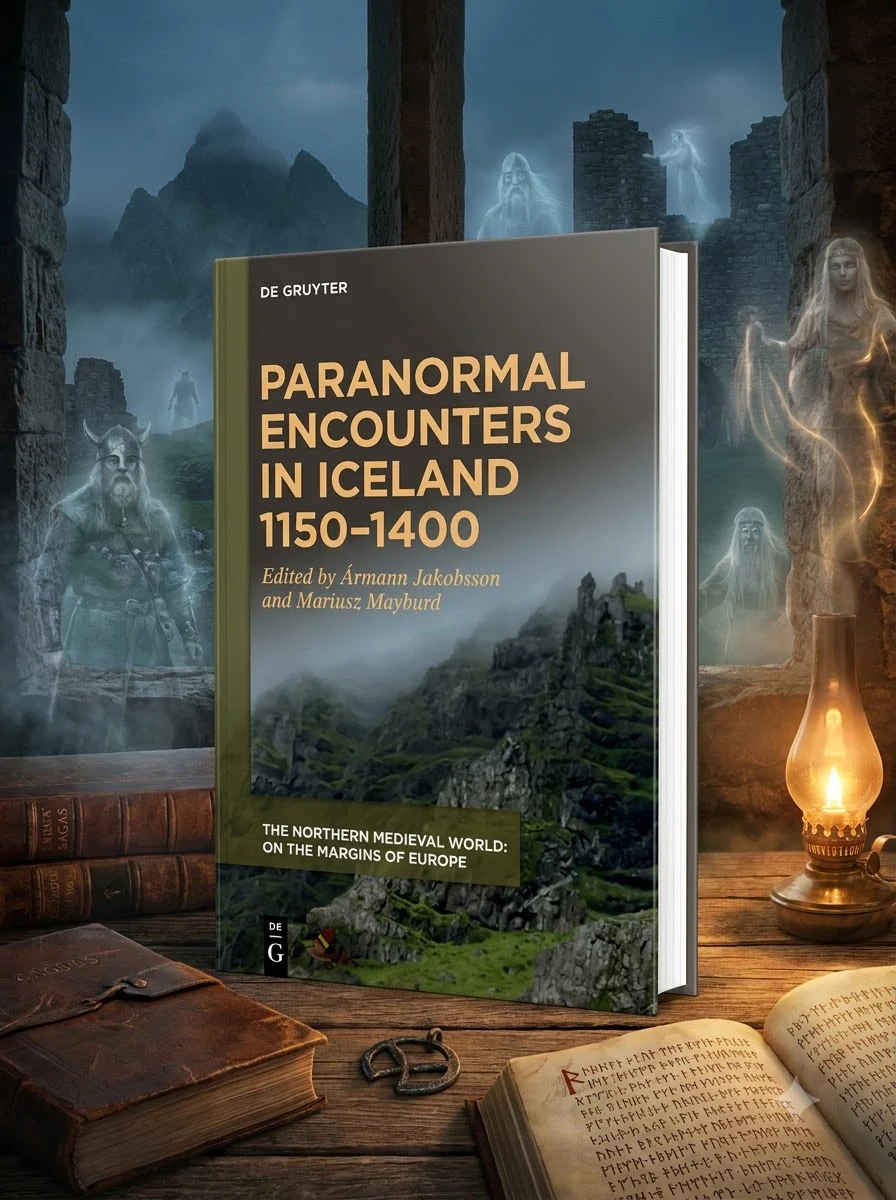
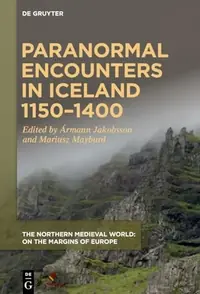
Paranormal Encounters in Iceland 1150-1400 - Ingram Academic Jakobsson, Ármann
 79
79
 Editorial score
How we rate
Editorial score
How we rate
Stock reported in the catalog; fulfillment is confirmed with your request.
Uncover the chilling, unvarnished supernatural encounters from medieval Iceland's ancient sagas.
This illuminating anthology gathers international scholarship to forge new critical pathways into the study of medieval paranormal manifestations. Its central premise deliberately moves beyond simplistic symbolic or reductionist interpretations, instead prioritizing the human experience of the supernatural and how these phenomena are meticulously defined within the original narratives. Drawing upon an impressive array of medieval Icelandic texts—from family sagas and romances to poetry and hagiography—the volume meticulously explores the rich diversity of otherworldly activity in the Northern lands. It fundamentally challenges established notions, particularly the concept of saga realism, thereby opening vital new avenues for research.
This scholarly volume situates itself within the field of medieval Icelandic studies, bridging the gap between traditional saga realism and modern paranormal research. It draws upon a diverse array of texts including family sagas, romances, poetry, and hagiography to explore supernatural phenomena in Northern lands during the specified historical period.


📝 Description: Paranormal Encounters in Iceland 1150-1400 - Ingram Academic Jakobsson, Ármann
💎 Expert review
📖 Why choose it
Why this book is worth reading
Academics and serious enthusiasts of medieval literature will find this anthology indispensable for its fresh critical approaches to supernatural narratives. By moving beyond symbolic interpretations, Jakobsson and Mayburd prioritize the human experience of the paranormal, offering a nuanced understanding of how otherworldly activity was defined in original texts. Readers seeking to challenge established notions of saga realism and explore new research avenues in cultural history will gain significant insight from this rigorous yet accessible collection of international scholarship.
⭐ Reader reviews
Reader rating
This text is a vital resource for specialists in medieval studies but may frustrate casual readers expecting narrative storytelling or simple folklore collections. It deliberately avoids simplistic reductions, demanding engagement with complex critical pathways and diverse primary sources like hagiography and poetry. Those looking for entertainment rather than academic rigor will likely find the dense theoretical framework tedious. However, for scholars aiming to deconstruct traditional views of saga realism through the lens of paranormal manifestation, this work provides essential, meticulously researched material that opens vital new avenues for future inquiry.
❓ Frequently asked questions
📖 Who should read this
If you're a scholar of medieval Scandinavia, a devotee of Norse myth, or simply fascinated by how ancient cultures grappled with the inexplicable, this insightful volume offers a fresh, critical perspective on the spectral and uncanny forces woven into Iceland's foundational literature.
🎯 Key themes and symbolism
Defining Medieval Otherworlds
This collection delves into the raw, lived experience of the supernatural in medieval Iceland, moving past allegorical interpretations. Instead, it meticulously examines how historical texts themselves articulate and categorize these encounters, offering a window into the era's genuine perception of otherworldly phenomena, as defined by the original chroniclers.
Deconstructing Saga Realism
A central tenet of this work is its direct challenge to the long-held notion of saga realism. By highlighting the pervasive and diverse paranormal elements within these narratives, the authors demonstrate that Icelandic sagas offer far more than simple historical recounting, urging a re-evaluation of their foundational interpretative frameworks concerning historical veracity.
Icelandic Textual Tapestry
The scholarship within this volume draws from an impressive breadth of medieval Icelandic literature. From the intricate family sagas to the fantastical legendary tales, poetic verses, and even hagiographical accounts, the book showcases how a multitude of textual forms chronicle the rich and varied supernatural landscape of the North, revealing its complexity.
💬 Quotes from the book
“The true measure of a society's belief in the unseen lies not in its formal theology, but in the intimate, often terrifying, details of how its people recount their personal encounters with the otherworldly.”
“To dismiss the spectral inhabitants of Icelandic sagas as mere metaphor is to fundamentally misunderstand the intricate tapestry of medieval reality, where the veil between worlds was undeniably thin.”
📜 Historical context
📚 Glossary
- Saga Realism
- Hagiography
- Legendary Sagas
📔 Questions to reflect on
- How might our modern understanding of 'paranormal' differ from, or align with, medieval Icelandic perceptions as presented in the sagas, and what does this reveal about cultural shifts?
- If sagas are not purely realistic, what new avenues of literary and historical interpretation open up when we fully embrace their supernatural elements as integral components?
- Consider a specific historical account of the supernatural you're familiar with. How does its treatment compare to the analytical approach this book takes regarding Icelandic sources and their definitions of the uncanny?
You might also like
See more → 91
91
 91
91