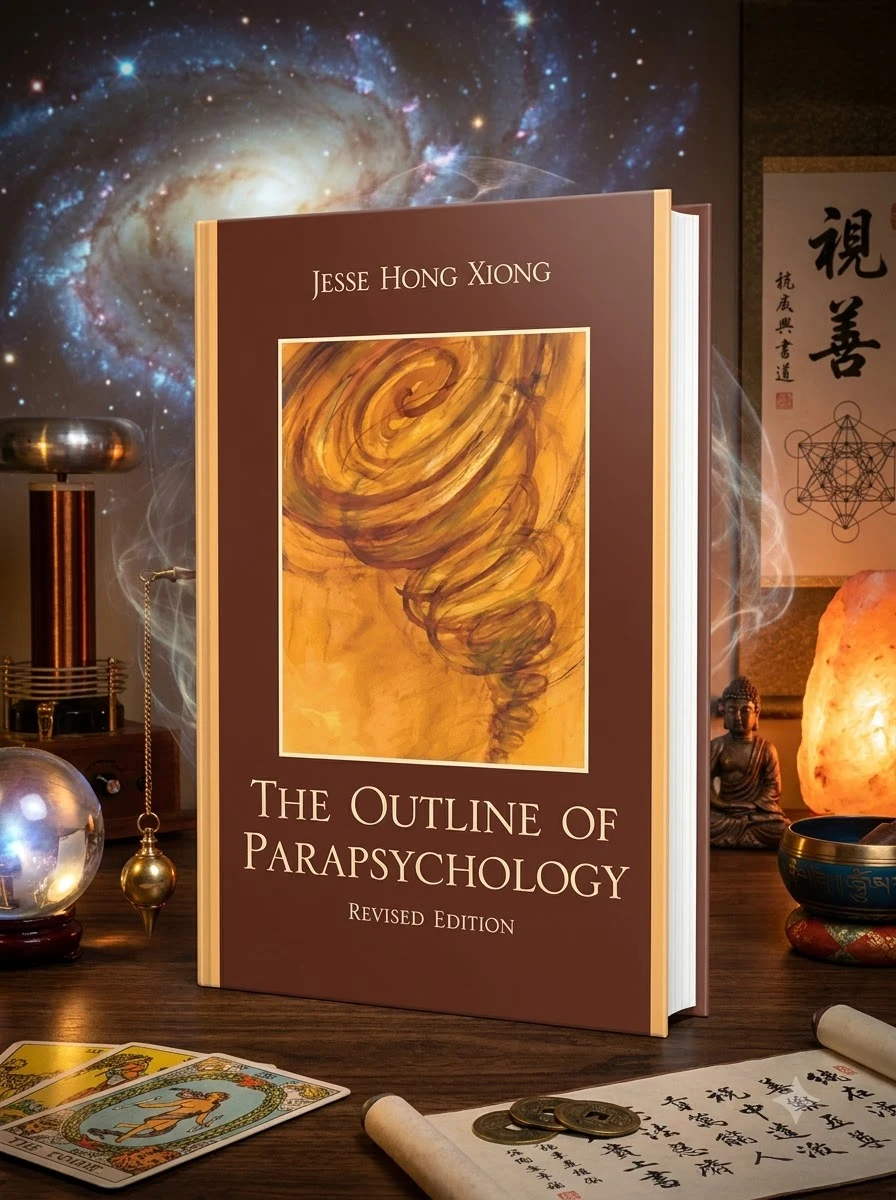
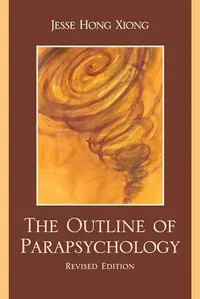
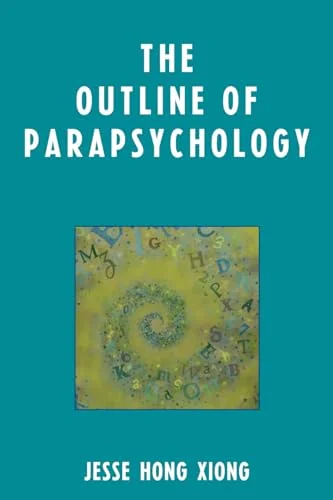
Outline of Parapsychology (Revised)
Xiong, Jesse HongStock reported in the catalog; fulfillment is confirmed with your request.
Unveiling a groundbreaking philosophical architecture for the study of psychic phenomena.
Jesse Hong Xiong’s "Outline of Parapsychology" presents an ambitious endeavor to construct a unified, systematic framework for understanding psychic experiences. Departing from conventional scientific and religious paradigms, this work proposes a distinct philosophical foundation, positing pantheism as the theoretical bedrock for parapsychological inquiry. It uniquely integrates insights from ancient Oriental philosophies with contemporary New Age thought, offering a comprehensive and holistic perspective on the often-misunderstood realms of mind, body, and spirit.
This work sits at the intersection of traditional Eastern metaphysics and modern New Age spirituality, offering a distinct philosophical lens for parapsychology that diverges from standard scientific or religious frameworks. It represents a bridge between ancient Oriental thought and contemporary holistic inquiries into psychic phenomena.


📝 Description: Outline of Parapsychology (Revised)
💎 Expert review
📖 Why choose it
Why this book is worth reading
Readers seeking a profound, unified framework for understanding psychic experiences will find this text invaluable. It is ideal for those who feel constrained by conventional scientific or religious paradigms and desire a holistic perspective integrating mind, body, and spirit. By grounding parapsychology in pantheism and ancient Oriental philosophies, the author provides a groundbreaking architectural approach to the unknown. Those interested in the theoretical bedrock of esoteric studies will appreciate the systematic attempt to make sense of the misunderstood realms of psychic inquiry through this unique, philosophical lens.
⭐ Reader reviews
Reader rating
Xiong offers an ambitious construction of parapsychology that is intellectually stimulating yet niche. The text is best suited for readers already comfortable with pantheism and New Age syncretism who crave a systematic, rather than anecdotal, approach to psychic phenomena. However, it does not suit those seeking empirical scientific data or traditional religious doctrine. Readers expecting conventional academic rigor in the hard sciences may find the philosophical bedrock too abstract. It is a specialized work for the esoteric scholar, requiring patience with its departure from standard paradigms but rewarding the dedicated student of the occult with a coherent, albeit unconventional, structural understanding of the psychic realm.
❓ Frequently asked questions
📖 Who should read this
For seekers intrigued by psychic phenomena who crave a rigorous, philosophical approach rather than mere anecdotal accounts. If you're looking to explore a comprehensive, alternative framework for understanding the mind's mysterious capabilities, this book offers a profound journey.
🎯 Key themes and symbolism
Systematic Parapsychology
This text endeavors to build a cohesive, overarching structure for understanding parapsychological phenomena, moving beyond anecdotal observation to propose a unified theoretical model. It aims to provide a logical framework that systematizes disparate insights into a comprehensive discipline, establishing a new foundation for the field.
Philosophical Foundations
The author posits that parapsychology requires a unique philosophical bedrock, distinct from both conventional scientific materialism and established religious dogma. It boldly suggests pantheism as a foundational worldview capable of encompassing psychic experiences within a coherent theoretical framework, offering a new lens.
East Meets New Age
This work thoughtfully weaves together insights from ancient Eastern spiritual traditions with concepts prevalent in the modern New Age movement. By synthesizing these diverse perspectives, it seeks to enrich the understanding of consciousness and psychic abilities beyond Western academic confines, fostering a global dialogue.
💬 Quotes from the book
“To truly understand parapsychology, we must first construct a philosophical edifice capable of supporting its profound implications, one distinct from the prevailing materialist paradigm.”
“Pantheism offers not just a spiritual perspective, but a theoretical lens through which the interconnectedness essential to psychic phenomena becomes logically discernible, bridging the empirical and the esoteric.”
📜 Historical context
📚 Glossary
- Parapsychology
- Pantheism
- New Age Movement
📔 Questions to reflect on
- How might a pantheistic worldview fundamentally alter our approach to studying consciousness and psychic abilities, compared to a strictly materialist or traditional religious perspective?
- Considering the book's aim to create a 'systematic parapsychology,' what existing scientific or philosophical frameworks do you believe could be most productively integrated into such a system?
- The text bridges Eastern philosophies and New Age thought. In what ways do these traditions complement each other in providing a deeper understanding of paranormal phenomena?
✍️ More books by this author Xiong, Jesse Hong
All books by this author →🏛 Books from this publisher University Press of America
All books from this publisher →
 85
85
You might also like
See more →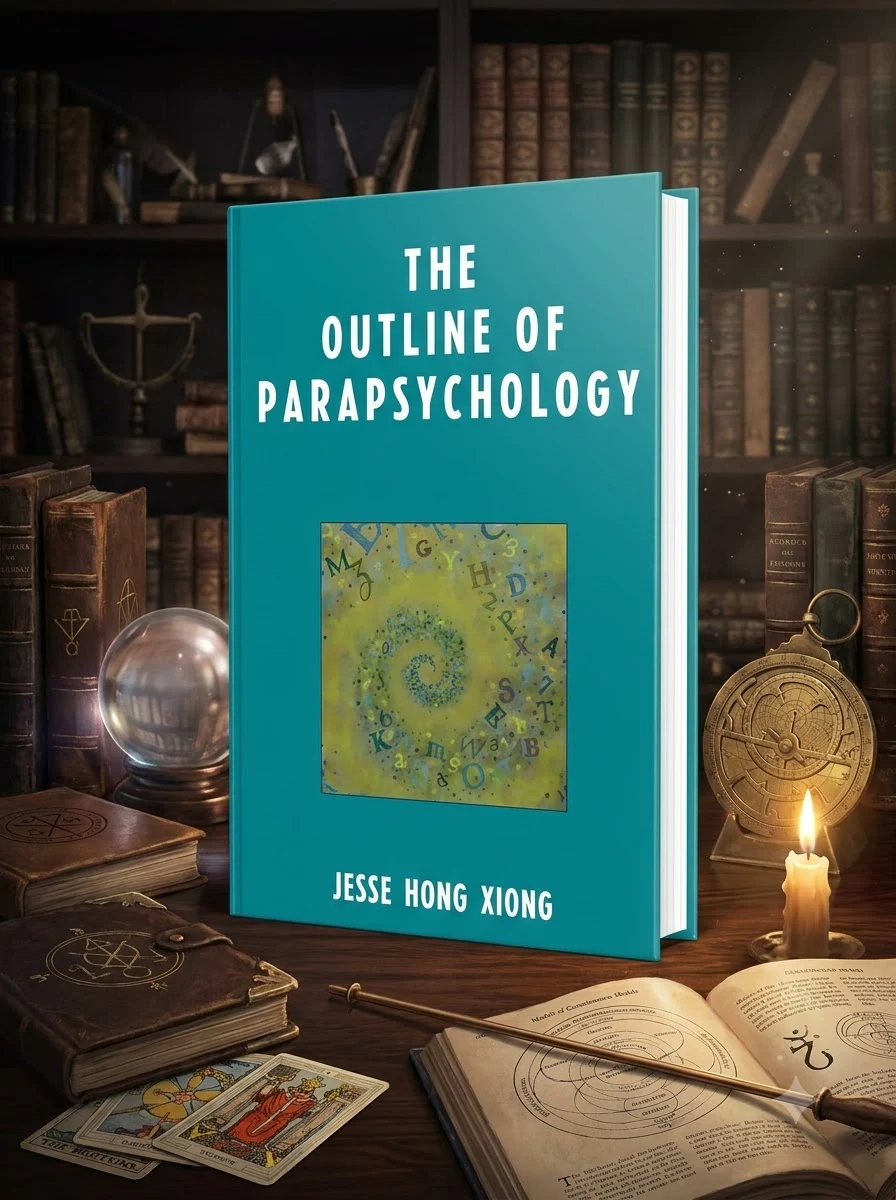
 91
91

 91
91
 91
91