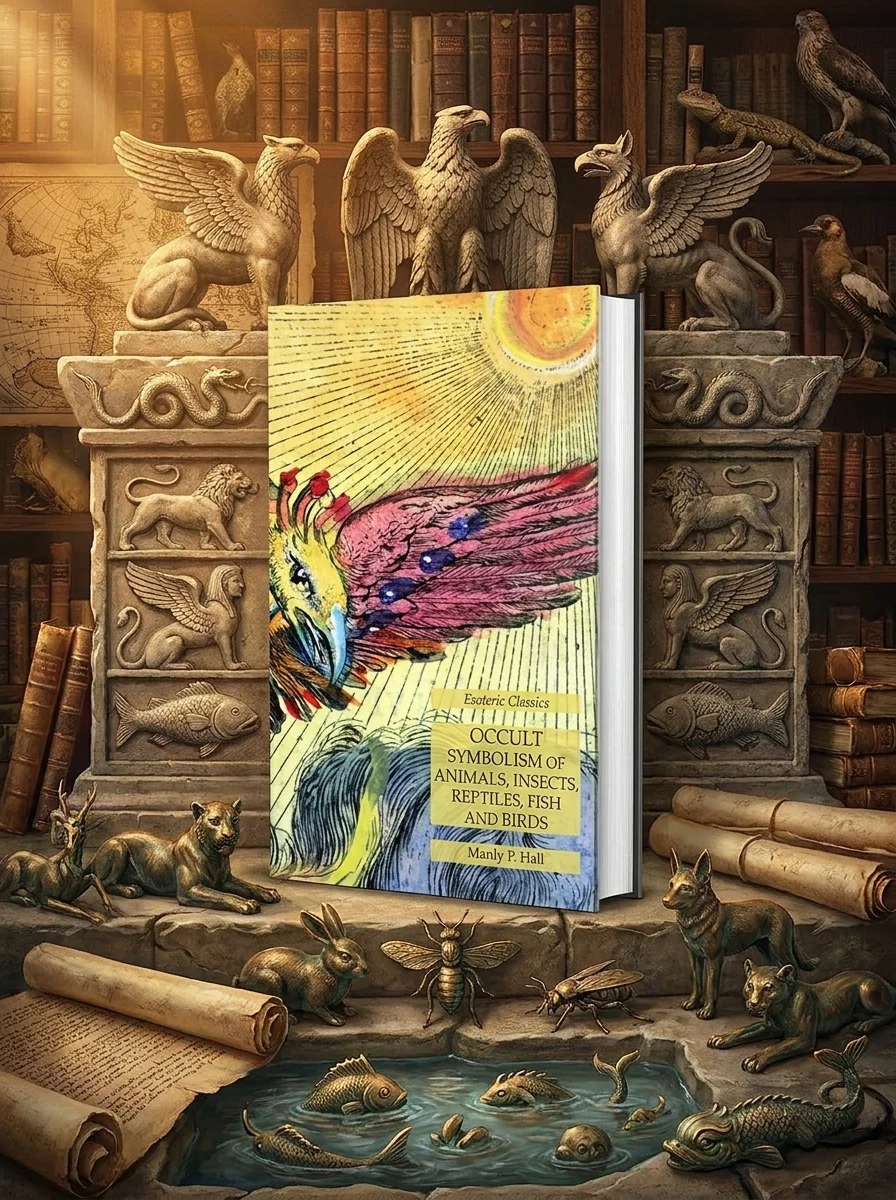
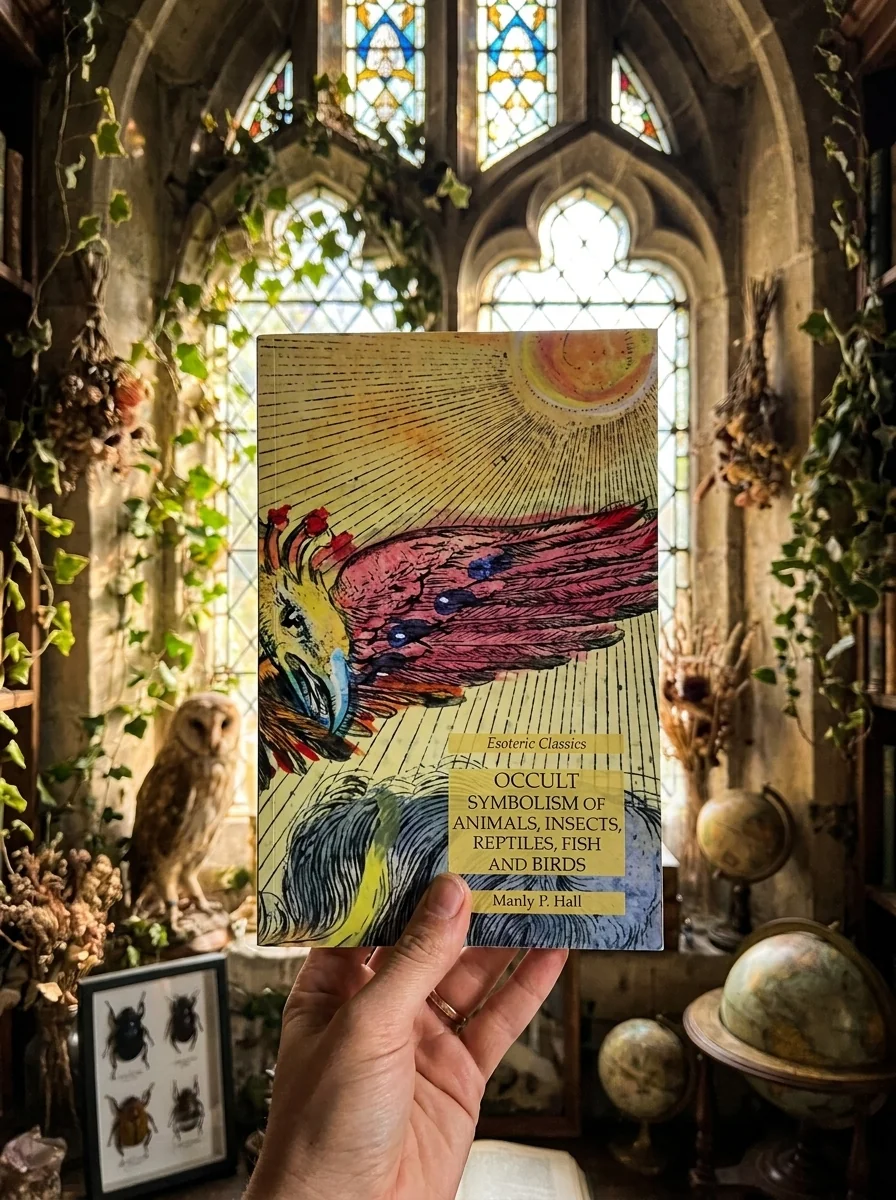
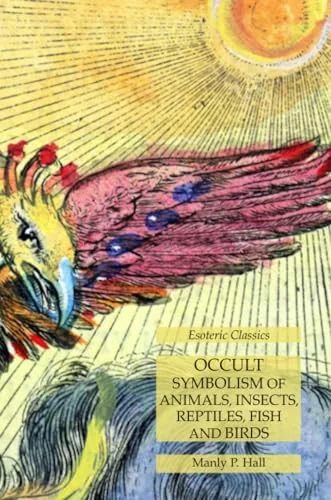
Occult Symbolism of Animals, Insects, Reptiles, Fish and Birds: Esoteric Classics
✍️ Hall, Manly PManly P. Hall, a luminary in esoteric thought, meticulously explores the profound, worldwide significance of creatures inhabiting earth, air, and water. This classic text reveals how ancient cultures revered animals, not merely as biological entities, but as living symbols of invisible divine energies. Hall uncovers the deep connections between animal forms, habits, and their natural environments, portraying them as direct manifestations of Nature's generative powers, understood by our ancestors as undeniable proof of universal spiritual presence and interconnectedness.


📝 Description: Occult Symbolism of Animals, Insects, Reptiles, Fish and Birds: Esoteric Classics
💎 Expert review
📖 Why choose it
Why this book is worth reading
Readers deeply interested in the intersection of nature and spirituality will find profound value here. If you believe that the animal kingdom serves as a mirror for divine energies, this book offers a meticulous map of those connections. It is ideal for those seeking to understand how ancient cultures viewed creatures not just as biological entities but as living symbols of universal presence. By revealing the generative powers hidden in natural habits and forms, Hall provides a lens through which to see the interconnectedness of all life. This text empowers you to decode the spiritual language of animals, insects, reptiles, fish, and birds, transforming your perception of the natural world into a sacred dialogue with the invisible forces that shape it.
⭐ Reader reviews
Reader rating
Manly P. Hall delivers a comprehensive survey of zoological symbolism rooted in Hermetic thought. While intellectually rich for those versed in esoteric history, this book may not suit readers seeking practical animal behavior guides or scientific biological data. It is less appropriate for skeptics who view nature solely through a materialist lens, as the text assumes a metaphysical framework where animals are divine manifestations. However, for enthusiasts of comparative mythology and spiritual symbolism, it remains an essential reference. The dense, academic tone might challenge casual readers, but it rewards those willing to engage with its deep philosophical underpinnings regarding the sacredness of the natural order.
❓ Frequently asked questions
📖 Who should read this
If you're drawn to ancient mysteries, comparative mythology, or the spiritual interconnectedness of all life, this book offers a profound journey. It's for seekers wishing to understand the hidden wisdom embedded in the natural world's universal language.
🎯 Key themes and symbolism
Universal Animal Symbolism
Hall meticulously documents how diverse cultures, from antiquity to modernity, shared a common understanding of animal symbolism. He reveals recurring archetypes and shared spiritual interpretations of creatures across continents, demonstrating a universal human inclination to find deeper meaning in the natural world, linking seemingly disparate mystical traditions and philosophies.
Esoteric Natural Philosophy
The book posits that ancient peoples viewed the physical forms of animals as outward manifestations of inner, unseen spiritual forces. It argues that by studying the unique characteristics and environments of various creatures, one can decode profound esoteric truths about the cosmos and the divine energies that permeate all existence, seeing nature as a sacred text.
Divine Omnipresence in Nature
Hall emphasizes that the reproductive and life-giving aspects of nature, profoundly embodied by the animal kingdom, were seen as irrefutable evidence of a pervasive divine presence. The text explores how the very act of life's continuation, reflected in the 'lower kingdoms,' was venerated as a direct expression of universal creative power and omnipresent spirit.
📜 Historical context
📚 Glossary
- Esoteric
- Symbolism
- Divine Omnipresence
📔 Questions to reflect on
- Consider an animal that holds personal significance for you. How might its characteristics reflect deeper, universal spiritual principles as discussed by Hall?
- Reflect on how modern society's view of nature differs from the ancient reverence described in this book. What insights might we gain from their perspective regarding our own spiritual connection to the natural world?
- Choose a specific animal and research its symbolism across three different cultures (e.g., Egyptian, Native American, Celtic). What common threads or unique interpretations emerge, and what does this reveal about human perception of the divine?










![How to Manifest: Bring Your Goals Into Alignment with the Alchemy of the Universe [A Manifestation Book]](/img/how-to-manifest-bring-your-goals-into-alignment-with-the-alchemy-of-the-universe-a-manifestation-book-scene.webp)