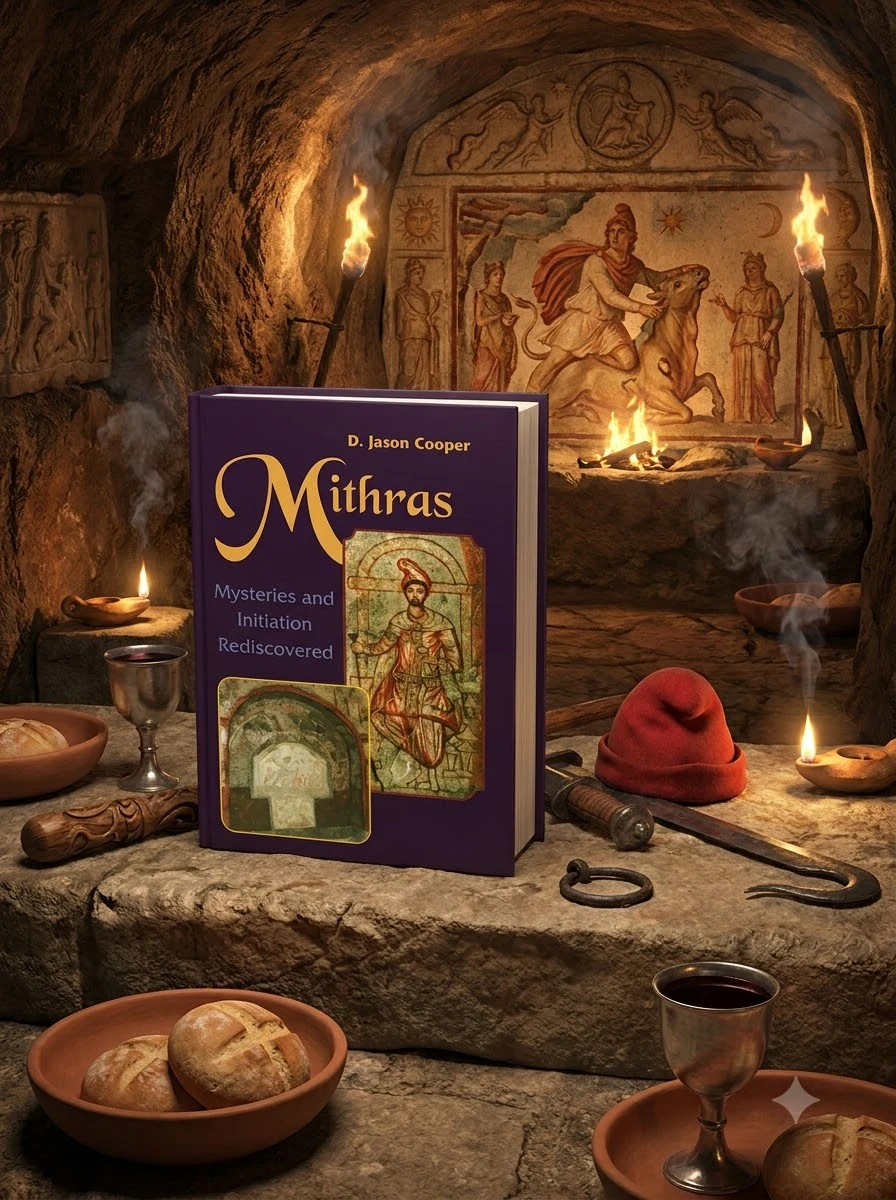
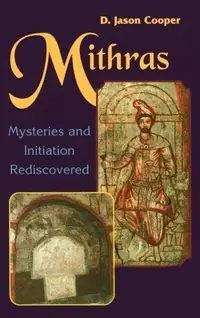
Mithras: Mysteries and Inititation Rediscovered
Stock reported in the catalog; fulfillment is confirmed with your request.
Uncover the lost mysteries of Mithras, Christianity's greatest ancient rival, born on December 25th.
Delve into the profound legacy of Mithras, a deity revered across ancient cultures from India to Rome. This comprehensive study unveils the captivating history of a spiritual tradition that stood as Christianity's most formidable adversary. Discover striking parallels in rituals, symbolism, and foundational myths – including a December 25th birth and sacred meals – that hint at a shared spiritual landscape. Explore how Mithraism attracted diverse followers, from slaves to emperors, before its eventual eradication by the ascendant Christian church. Cooper’s meticulous research resurrects a vital chapter in religious history.
This work situates itself within the study of ancient mystery religions and comparative theology, specifically examining the Mithraic tradition as a significant pre-Christian spiritual force in the Roman Empire.


📝 Description: Mithras: Mysteries and Inititation Rediscovered
💎 Expert review
📖 Why choose it
Why this book is worth reading
Readers fascinated by the deep roots of Western spirituality and the complex interplay between rival religious traditions will find this book profoundly illuminating. Jason Cooper invites you to look beyond standard historical narratives to discover a vibrant, inclusive cult that united slaves and emperors alike. If you are intrigued by the striking parallels between ancient Mithraic rituals and later Christian practices, particularly regarding symbolism and shared mythological foundations, this text offers a necessary corrective to overlooked history. It is an essential read for those seeking to understand how Mithras served as Christianity’s formidable adversary before being erased from mainstream memory. Cooper’s meticulous research resurrects a vital chapter in religious history, providing clarity on why these mysteries were so captivating to diverse followers across ancient cultures.
⭐ Reader reviews
Reader rating
Cooper delivers a compelling resurrection of Mithraic history, effectively highlighting the shared spiritual landscape between Mithras and early Christianity. The book succeeds in presenting striking parallels in rituals and foundational myths without resorting to conspiracy theories, offering instead a scholarly yet accessible overview of a formidable religious adversary. However, readers expecting detailed archaeological evidence or primary source translations may find the narrative leans more toward thematic comparison than rigorous academic documentation. It is not suited for those who prefer strictly secular historical analysis devoid of spiritual interpretation. Nevertheless, for those interested in the cultural and theological rivalry that shaped Western religion, this work provides a valuable, albeit interpretive, perspective on a lost mystery tradition.
❓ Frequently asked questions
📖 Who should read this
If you're fascinated by hidden religious history, the clash of ancient faiths, or surprising origins of familiar traditions, this book is essential. It offers a profound look at a formidable spirituality nearly erased from memory.
🎯 Key themes and symbolism
Christianity's Ancient Rival
The book meticulously details Mithraism's emergence as early Christianity's most potent spiritual competitor. It explores the intense struggle for religious dominance within the Roman Empire, revealing how both faiths vied for followers. Ultimately, it traces the Christian suppression and systematic erasure of Mithraic traditions and sacred sites.
Uncanny Religious Similarities
Discover the startling resemblances between Mithraic and early Christian practices. The text highlights shared elements like sacred meals involving bread and wine, a December 25th birth narrative, and a theology emphasizing salvation through faith. It also delves into organizational parallels, including a structured priesthood and fraternal titles.
Inclusive Faith, Violent End
Explore Mithraism’s widespread appeal, attracting a diverse following from all societal strata, including soldiers, slaves, and emperors. This broad reach made its ultimate suppression particularly brutal. The book details how Christian authorities actively destroyed Mithraic temples, texts, and communities, often repurposing their sacred sites, illustrating religious conquest and cultural obliteration.
💬 Quotes from the book
“The echoes of Mithras resound not just in forgotten crypts, but in the very foundations of the faith that supplanted him, a testament to a rivalry far more profound than commonly acknowledged.”
“To understand the Roman world's spiritual tapestry, one must confront the uncanny liturgical and iconographic overlaps between Mithraic initiation and the emerging Christian sacraments, challenging simplistic narratives of religious originality.”
📜 Historical context
📚 Glossary
- Mithraism
- Syncretism
- Mithraeum
📔 Questions to reflect on
- Consider how the suppression of Mithraism by Christianity might have shaped the trajectory of Western spirituality. What was lost, and what was gained?
- Reflect on the uncanny similarities between Mithraic rituals and early Christian practices. How do these parallels influence your understanding of religious innovation and syncretism?
- If Mithraism had prevailed over Christianity in the Roman Empire, how might the subsequent history of art, philosophy, and societal values have differed?
🏛 Books from this publisher Weiser Books
All books from this publisher →



 87
87

You might also like
See more →



 91
91