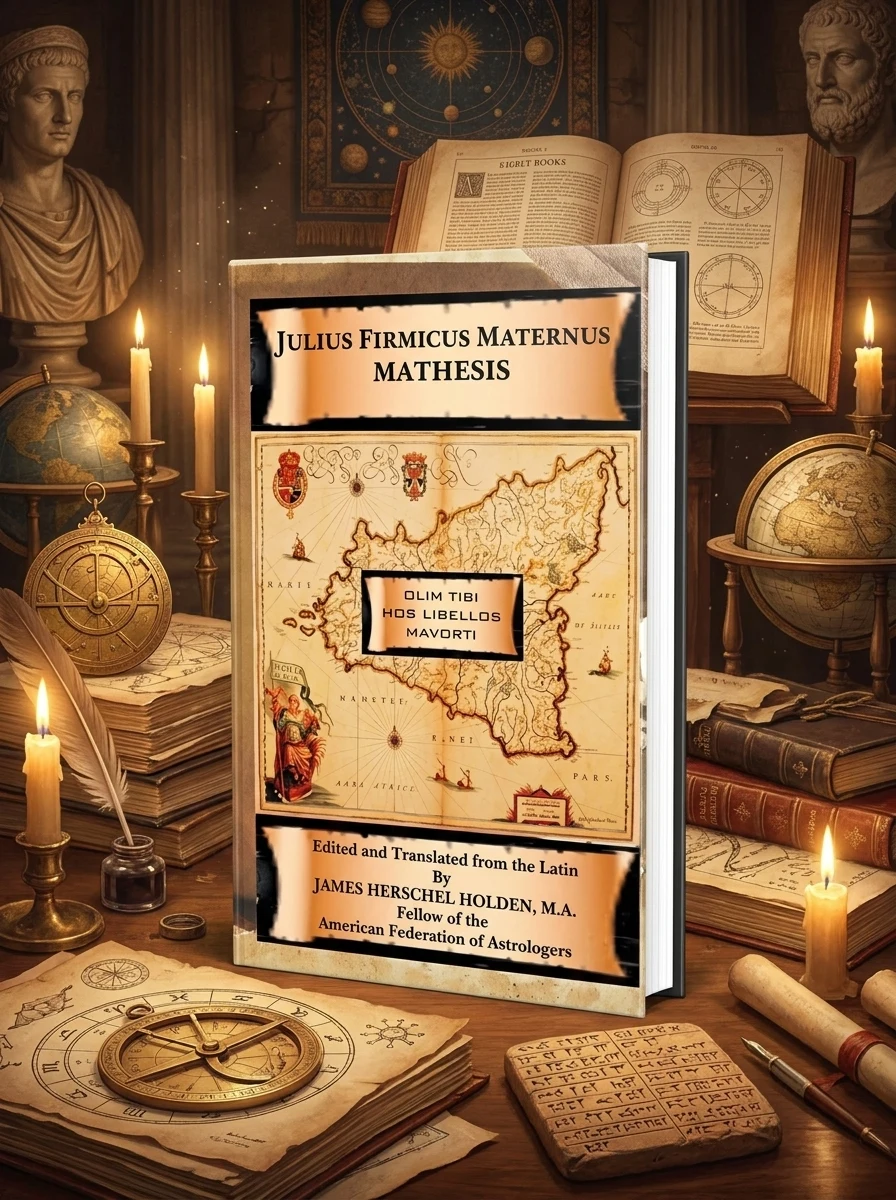
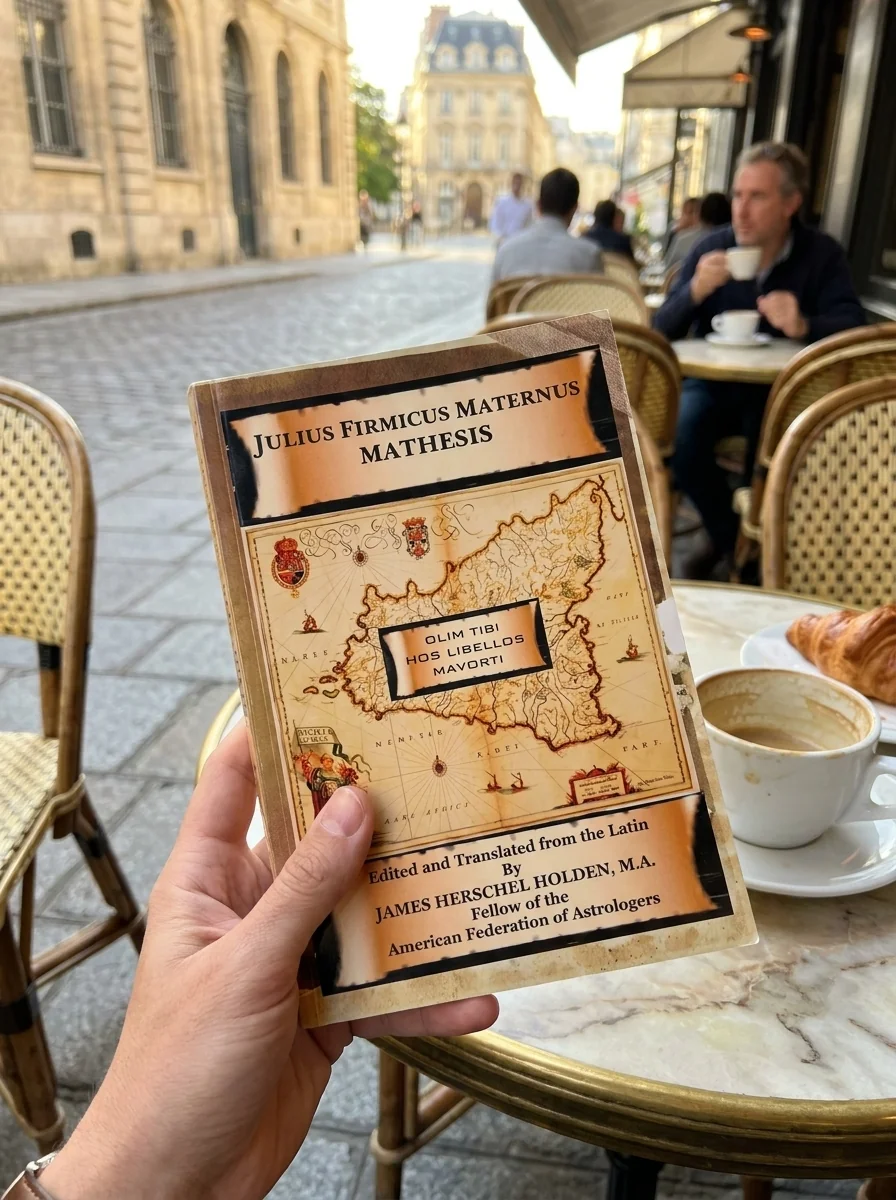
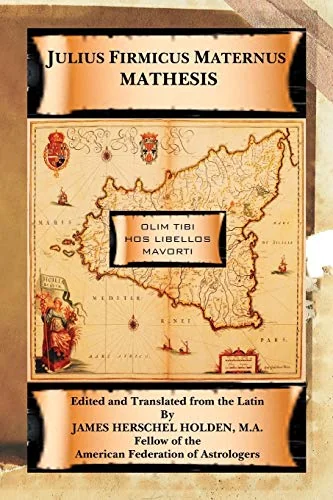
Mathesis
✍️ Julius Firmicus Maternus, James Herschel HoldenA 620-page translation of Julius Firmicus Maternus's fourth-century astrological treatise with reference indexes.
The Mathesis offers a direct look into fourth-century astrological thought through the writings of Julius Firmicus Maternus. This edition by the American Federation of Astrologers includes eight books, beginning with an introduction to the art. It focuses on how celestial bodies influence human affairs, covering topics like occupation and mortality. The text is supported by indexes for quick reference to personal characteristics and causes of death. It appeals to those studying medieval literary collections or the historical development of horoscopes. The format is a standard paperback suitable for academic or serious hobbyist use. It does not offer modern advice but rather preserves ancient perspectives on fate and personality.
Julius Firmicus Maternus wrote the original text in the fourth century, placing it firmly in late antiquity. This edition, published in 2011 by the American Federation of Astrologers, bridges that ancient period with modern readers interested in medieval literary collections and the historical roots of astrological practice.


📝 Description: Mathesis
💎 Expert review
📖 Why choose it
Why this book is worth reading
Scholars and serious students of Western esotericism will find immense value in this meticulously translated edition of Julius Firmicus Maternus's eight-book treatise. It offers an unparalleled journey into the intricate art of horoscope interpretation, revealing how ancient practitioners viewed cosmic influences on human occupations, causes of demise, and inherent personal attributes. This resource is essential for anyone seeking to understand the historical foundations of celestial prognostication, providing a direct window into the mind of a masterful Roman practitioner. By unlocking the cosmic blueprint of destiny, readers gain access to profound wisdom that remains relevant for those dedicated to mastering the depth and complexity of classical astrological theory.
⭐ Reader reviews
Reader rating
This volume is an indispensable academic resource for historians of astrology and practitioners of traditional methods who require primary source material from late antiquity. The translation by James Herschel Holden makes Maternus's comprehensive insights accessible, detailing specific techniques for interpreting horoscopes that defined the era. However, it does not suit casual readers seeking simple horoscope advice or modern psychological interpretations of birth charts. Those looking for quick, digestible daily predictions will likely find the dense, technical nature of this eight-book treatise overwhelming and irrelevant to their immediate needs.
❓ Frequently asked questions
📖 Who should read this
If you are drawn to the origins of Western astrology, seek to understand the classical mind's approach to destiny, or desire a foundational text for serious study, this tome is an indispensable addition to your library. A profound intellectual journey awaits.
🎯 Key themes and symbolism
Ancient Astrological Practice
This volume meticulously details the methods and principles of natal astrology as understood in the 4th century CE. It provides a structured guide to interpreting planetary positions, aspects, and house placements, revealing how ancient practitioners deciphered individual destinies and characteristics from the moment of birth.
Cosmic Determinism & Fate
Maternus explores the pervasive belief that celestial configurations at birth profoundly shape human life. The text delves into how astrological charts were used to predict life paths, professions, and even the circumstances of death, reflecting a world where the cosmos was seen as an active, determining force in human existence.
Classical Roman Esotericism
More than just an astrological manual, "Mathesis" offers a rare glimpse into the intellectual and spiritual climate of late Roman antiquity. It showcases the integration of celestial mechanics with philosophical and ethical considerations, illustrating how astrology served as a sophisticated system for understanding the human condition within a divinely ordered universe.
📜 Historical context
📚 Glossary
- Mathesis
- Horoscopy
- Natal Chart
📔 Questions to reflect on
- How might a deeper understanding of celestial influences shift your perspective on personal responsibility versus predestination?
- Consider the concept of "causes of death" being astrologically determined. How does this ancient view contrast with modern understandings of mortality?
- If your "occupation" was pre-ordained by the stars, what might that imply about your life's purpose and choices?
📖 Read on the blog
✍️ More books by this author Maternus, Julius Firmicus; , Holden, James Herschel
All books by this author →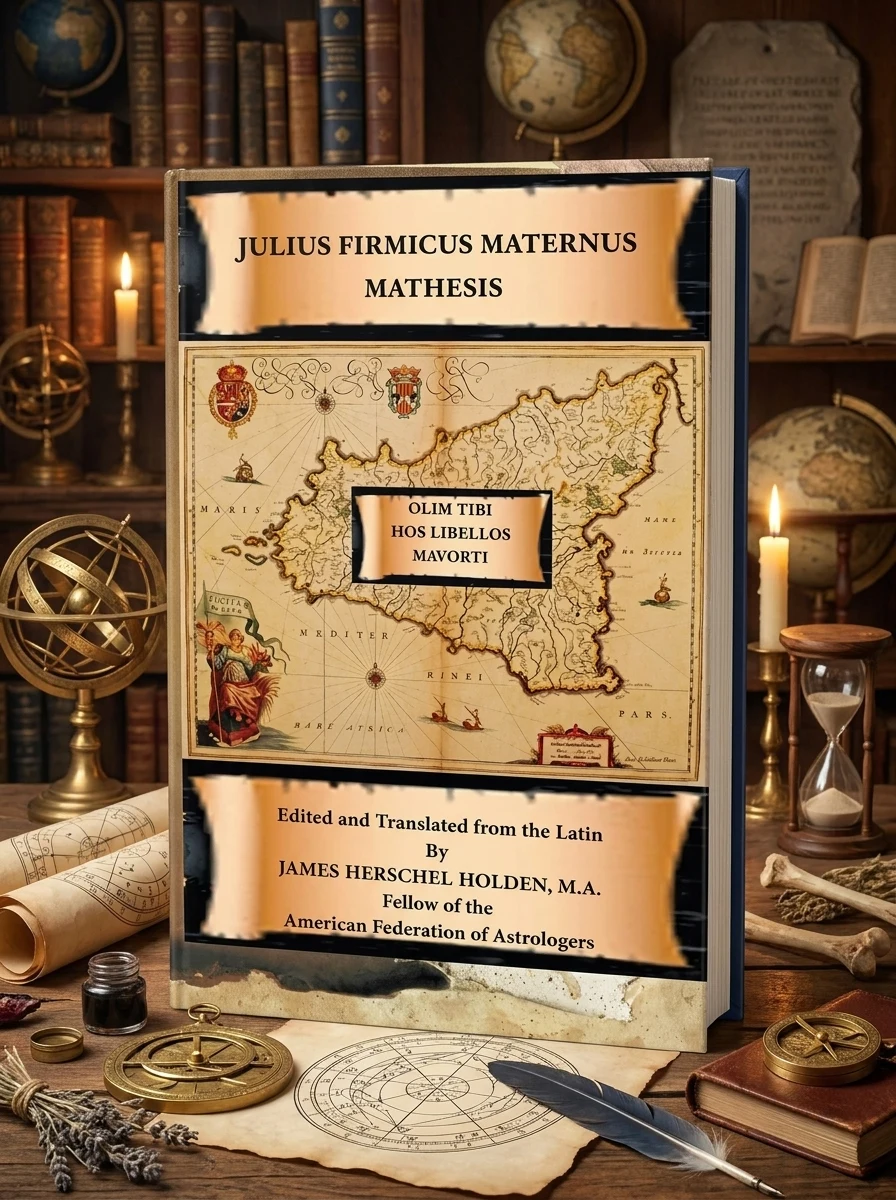


🏛 Books from this publisher American Federation of Astrologers
All books from this publisher →

You might also like
See more →
Have a question about this item?
Ask about the edition, condition, delivery or anything else — we reply by email or phone, usually within a day.
