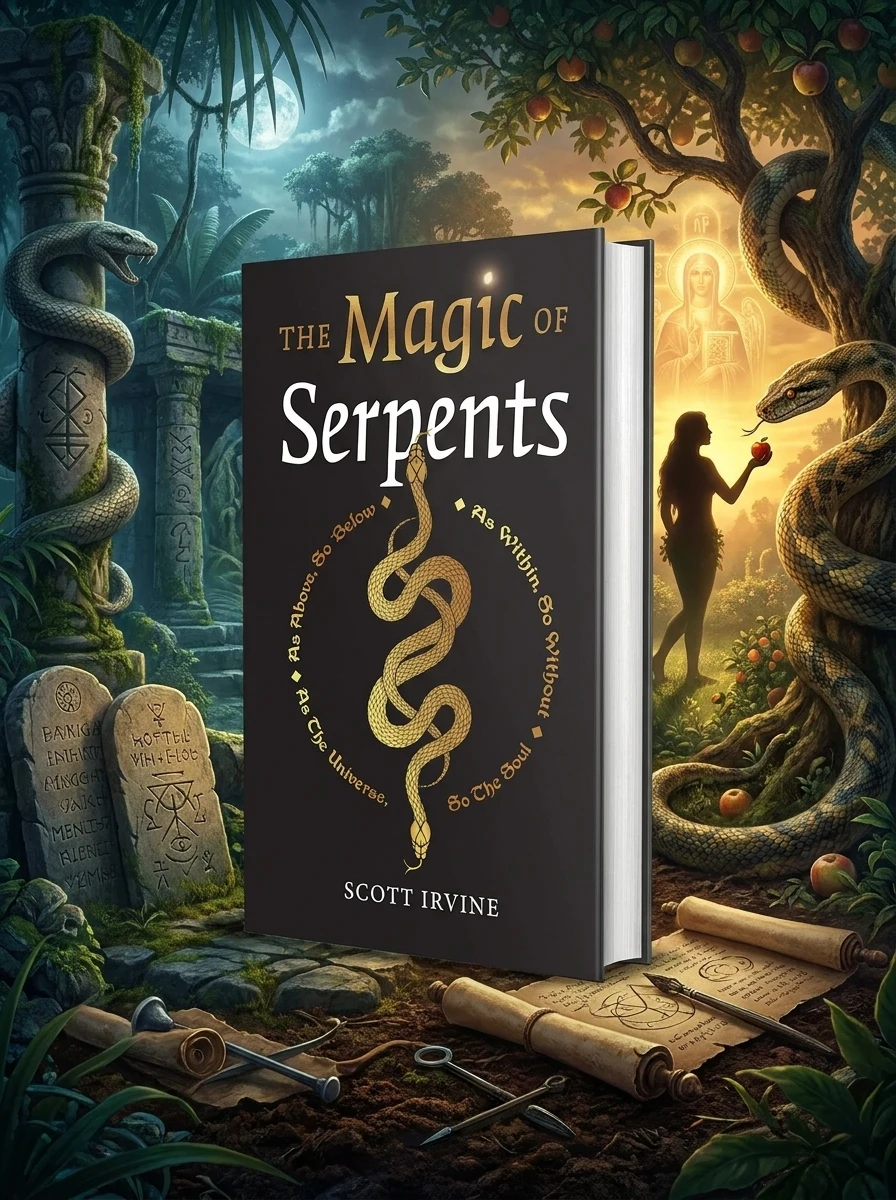
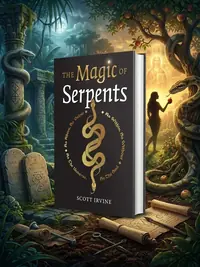
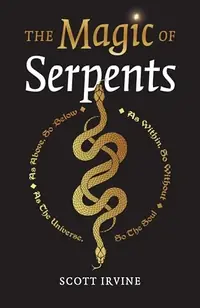
Magic of Serpents
Irvine, ScottThis edition can be ordered. No arrival date is confirmed.
Unravel the ancient, slithering truths hidden within the serpent's coiled history.
Scott Irvine's "Magic of Serpents" embarks on a captivating expedition into the profound and often contradictory symbolism of the snake throughout human history. From its revered status as an emblem of primordial wisdom and divine power in antiquity to its eventual vilification as a trickster and tempter in Abrahamic narratives, Irvine meticulously traces the serpent's evolving identity. This illuminating work delves into diverse global mythologies, exploring the philosophical, religious, and spiritual dimensions that have shaped our perception of this enigmatic creature, inviting readers to rediscover its true, multifaceted significance beyond simplified interpretations.
This work resides within the esoteric tradition of comparative mythology and occult philosophy, examining the serpent's symbolic evolution from ancient reverence to later religious vilification.


📝 Description: Magic of Serpents
💎 Expert review
📖 Why choose it
Why this book is worth reading
Readers with a deep curiosity about the shifting symbolic landscapes of human history will find this book profoundly rewarding. Scott Irvine invites you to step beyond the simplified, often negative caricatures of the serpent found in mainstream Abrahamic narratives. By tracing the creature’s journey from a revered emblem of primordial wisdom and divine power to its complex role as a trickster, Irvine offers a multifaceted perspective that challenges conventional wisdom. This text is ideal for those seeking to understand the philosophical and spiritual dimensions underlying our perception of this enigmatic animal. If you are eager to rediscover the true significance of the serpent through diverse global mythologies, this illuminating expedition provides essential insights into the contradictory nature of ancient symbolism.
⭐ Reader reviews
Reader rating
Irvine’s 'Magic of Serpents' offers a meticulous and captivating exploration of serpentine symbolism across cultures. While the author successfully unravels the slithering truths hidden in coiled history, this book is not for those seeking quick, digestible soundbites or simple moral binaries. It demands patience from readers who prefer straightforward religious dogma over complex philosophical inquiry. Those looking for a definitive, singular answer to the serpent’s nature will likely feel frustrated by its embrace of contradiction and nuance. However, for the dedicated student of esoteric history willing to engage with diverse mythological frameworks, this work is an invaluable resource that clarifies rather than confuses the serpent's enduring legacy in human consciousness.
❓ Frequently asked questions
📖 Who should read this
If you're drawn to primal symbolism, ancient mythologies, or the intricate dance between nature and spirit, this book offers a deep dive into one of humanity's most enduring and misunderstood figures. Prepare for a transformative journey into the reptilian psyche.
🎯 Key themes and symbolism
Ancient Serpent Lore
Before it became synonymous with malevolence, the serpent was widely revered as a potent symbol of creation, healing, and esoteric knowledge. Irvine explores its deep roots in various primal cultures, showcasing its association with life cycles, rebirth, and the profound mysteries of the earth, often linking it to ancient deities and forgotten wisdom traditions that predate modern religious frameworks.
The Vilified Serpent
This book meticulously charts the dramatic shift in the serpent's symbolic meaning, particularly with the rise of monotheistic religions. It analyzes how the serpent, once a revered entity, was re-cast as a figure of temptation and evil, most notably in the narrative of the Garden of Eden. Irvine examines the socio-religious forces that contributed to this transformation, cementing its negative archetype in Western consciousness.
Global Mythic Patterns
Irvine undertakes a comprehensive survey of serpent mythology from around the world, highlighting both universal patterns and unique cultural interpretations. From the feathered serpents of Mesoamerica to the nagas of India, the book reveals how different societies have integrated the serpent into their spiritual cosmologies, offering insights into humanity's shared fascination and fear of this powerful creature across continents and epochs.
💬 Quotes from the book
“The serpent, in its primordial essence, is not a creature of good or evil, but a primal force, a living current of the earth's own wisdom, predating human morality.”
“To truly comprehend the serpent's journey through human consciousness is to confront our own shifting values, our fears of the wild, and our eternal quest for knowledge, both sacred and forbidden.”
📜 Historical context
📚 Glossary
- Arcane Knowledge
- Mythology
- Paganism
📔 Questions to reflect on
- Reflect on a creature or symbol from your own culture that has a dual or contradictory meaning. How does its symbolism reflect societal values or fears?
- Consider the concept of 'forbidden knowledge.' How does the serpent's association with this idea resonate with your own spiritual or intellectual journey?
- In what ways might modern society benefit from re-evaluating and integrating the ancient, positive attributes of the serpent into contemporary spirituality or environmental ethics?
✍️ More books by this author Irvine, Scott
All books by this author →
🏛 Books from this publisher Moon Books
All books from this publisher →

 81
81
 89
89


You might also like
See more →


 91
91
 91
91