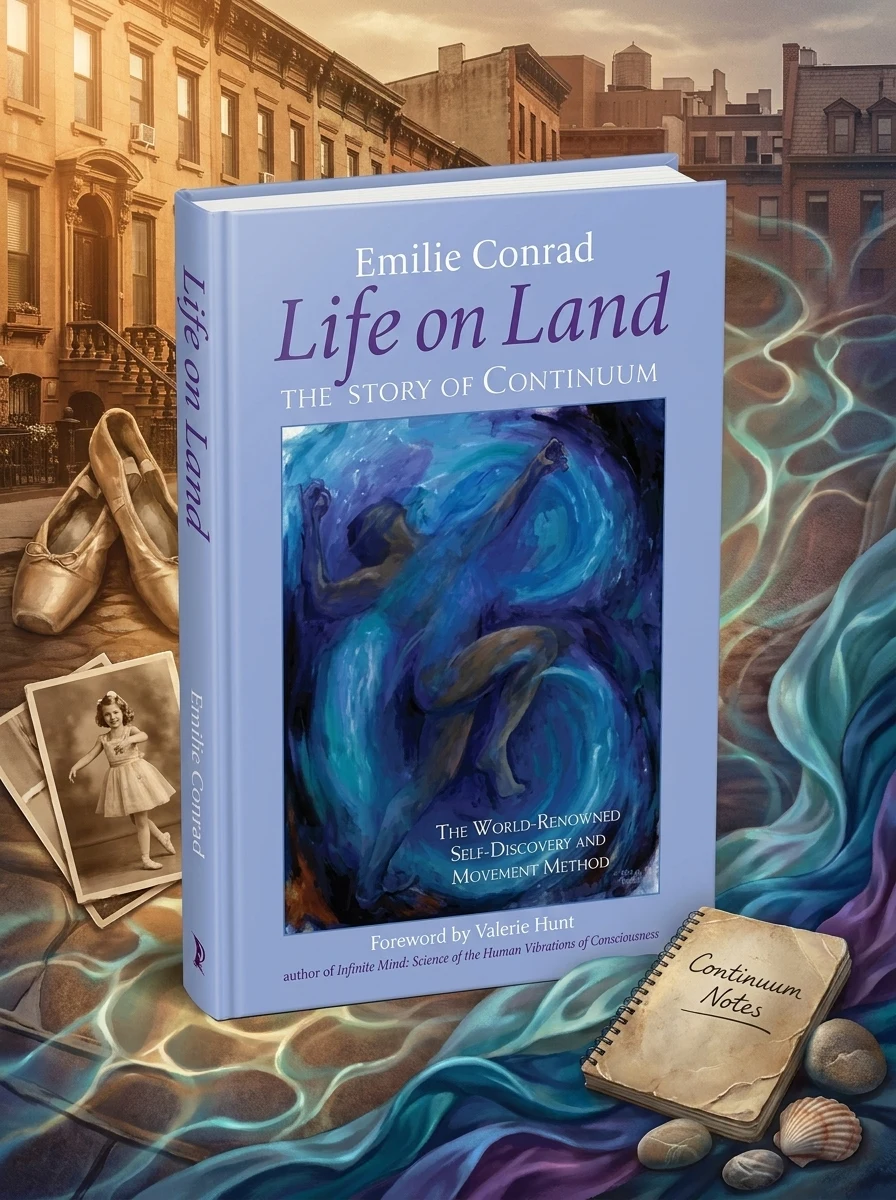
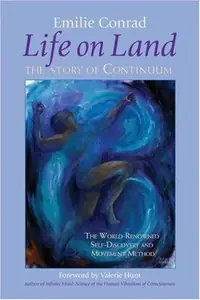
Life on Land: The Story of Continuum, the World-Renowned Self-Discovery and Movement Method


Stock reported in the catalog; fulfillment is confirmed with your request.
Emilie Conrad’s body shattered, her spirit ignited a new way of moving through the world.
This narrative chronicles the genesis of Continuum, blending personal memoir with esoteric movement theory. We follow Conrad from her Brooklyn roots and dance origins through a profound physical and psychic collapse. Her recovery birthed a revolutionary technique that dissolves the boundary between mind and flesh. The text offers raw insights into Jewish identity, female embodiment, and societal constraints, presenting healing not as a destination but as a fluid, continuous process of self-discovery.
This work emerges from the late twentieth-century intersection of somatic therapy and New Age spirituality, reflecting a cultural shift toward embodied healing and holistic self-understanding. It sits within the tradition of esoteric movement practices that seek to bridge the gap between physical discipline and metaphysical insight.


📝 Description: Life on Land: The Story of Continuum, the World-Renowned Self-Discovery and Movement Method
💎 Expert review
📖 Why choose it
Why this book is worth reading
Readers seeking a profound exploration of resilience will find immense value in Emilie Conrad’s narrative. This book is ideal for those interested in the intersection of dance, spirituality, and psychological healing. It offers a unique perspective on how physical collapse can catalyze spiritual awakening, making it particularly relevant for practitioners of somatic therapies, dancers, and anyone navigating their own journey of recovery or self-discovery. The raw insights into Jewish identity and female embodiment provide a rich cultural texture that resonates with those exploring the constraints of societal expectations. It is not merely an instructional manual but a testament to the fluid nature of healing, inviting readers to view their own lives as continuous processes of movement and discovery rather than static states of being.
⭐ Reader reviews
Reader rating
Took a chance on this and glad I did. There's real depth here that reveals itself on a second reading. The print is clean and easy on the eyes for long sessions.
Ordered this after seeing it referenced in another book I was studying. The text itself is dense but rewarding — you get out what you put in. The font runs small in the appendices. Still worth having on the shelf.
Exactly what I was looking for. Every rereading turns up something I missed. Definitely recommend.
Finally got around to ordering this. It's become a regular reference in my practice. Recommended if you're ready to do the work.
This text serves as a compelling memoir for those invested in esoteric movement theory and personal transformation. However, it may not suit readers seeking straightforward instructional guides on Continuum techniques or those preferring rigid academic structures over narrative introspection. The blend of personal history with abstract philosophical concepts can feel disjointed to some. While the account of Conrad’s recovery is inspiring, the dense theoretical aspects might challenge casual readers looking for light inspiration. It is best appreciated by those already familiar with somatic practices or spiritual biographies who are willing to engage with the complex interplay between mind and flesh described within its pages.
❓ Frequently asked questions
📖 Who should read this
Seekers of alternative wellness, practitioners of somatic therapy, and anyone exploring the intersection of personal trauma, cultural heritage, and physical liberation through movement.
🎯 Key themes and symbolism
Somatic Healing
Continuum Method
Embodied Identity
💬 Quotes from the book
“The body remembers what the mind forgets, holding the map to our deepest truths.”
“Healing is not a straight line, but a spiral, returning to the center with new understanding.”
📜 Historical context
📚 Glossary
- Continuum
- Somatic
- Embodiment
📔 Questions to reflect on
- Where in your body do you hold the stories of your ancestry or trauma?
- How does your cultural identity shape your relationship with physical movement and rest?
- What happens when you allow yourself to be still and listen to the silence within?
🏛 Books from this publisher North Atlantic Books
All books from this publisher →
You might also like
See more →