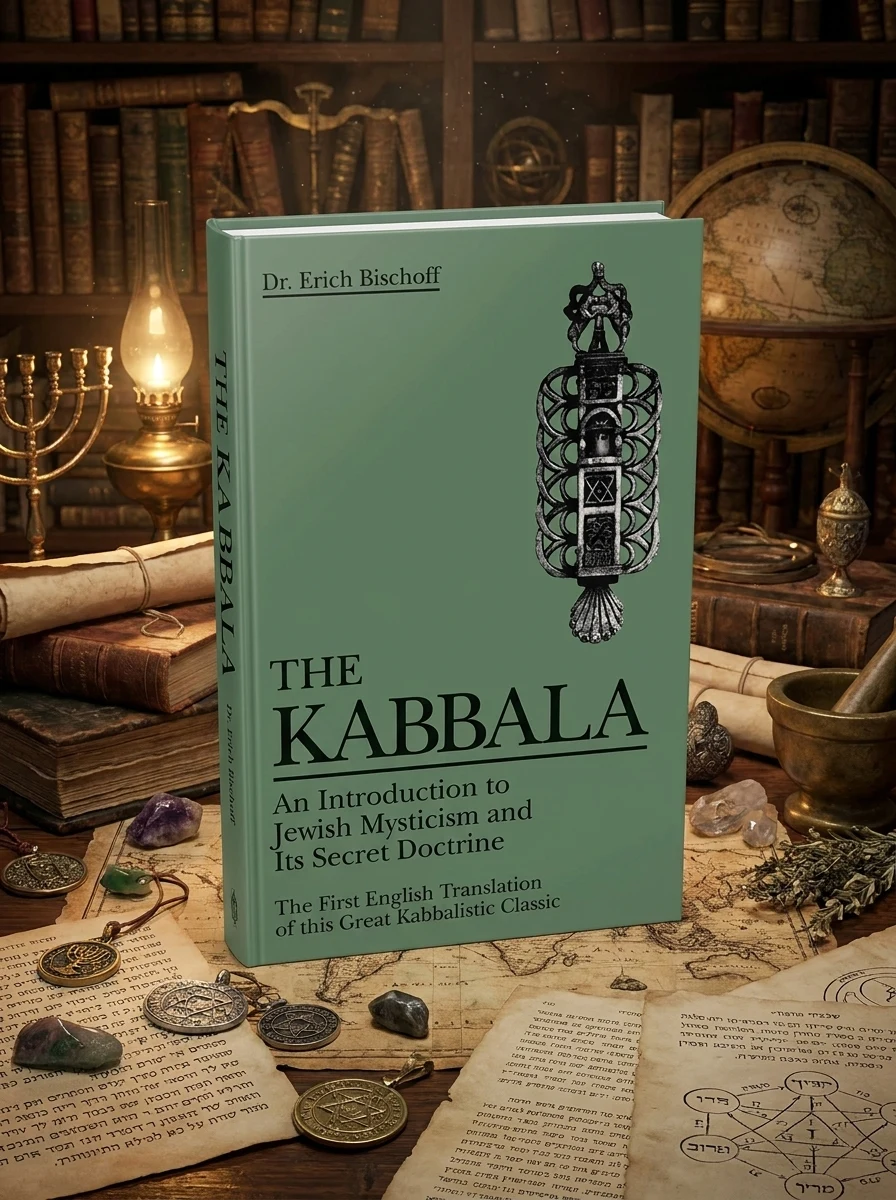
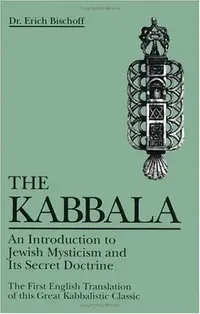
Kabbala: An Introduction to Jewish Mysticism and Its Secret Doctrine Bischoff, Erich
This edition can be ordered. No arrival date is confirmed.
Unveil the hidden architecture of the divine through Erich Bischoff’s Q&A guide to Jewish mysticism.
Erich Bischoff demystifies the labyrinthine world of Kabbalah by employing a clear question-and-answer structure that guides the novice through dense theological terrain. This volume serves as a foundational primer, tracing the historical evolution of Jewish mysticism while dissecting its core doctrines and anthropological roots. Readers will find detailed explorations of magical methodologies, the creation and use of talismans, and the shifting philosophical currents that have shaped the tradition. It is a practical roadmap for those seeking to understand the secret doctrines that underpin this ancient spiritual system.
This work anchors itself within the rich tradition of Jewish mysticism, specifically addressing the esoteric doctrines and historical evolution of Kabbalah as understood in Western occult circles.


📝 Description: Kabbala: An Introduction to Jewish Mysticism and Its Secret Doctrine Bischoff, Erich
💎 Expert review
📖 Why choose it
Why this book is worth reading
This volume is an essential resource for the sincere novice seeking to navigate the complex and often opaque landscape of Jewish mysticism. Erich Bischoff’s choice of a question-and-answer format provides a clear, accessible pathway through dense theological terrain that might otherwise discourage beginners. Readers will gain a practical roadmap to understanding the secret doctrines underpinning this ancient system, including detailed explorations of magical methodologies and the creation of talismans. It is ideal for those who wish to grasp the anthropological roots and shifting philosophical currents of Kabbalah without getting lost in academic jargon. By demystifying the tradition’s core concepts, this primer empowers seekers to appreciate the hidden architecture of the divine, making it a foundational text for anyone interested in the intersection of Jewish heritage and esoteric practice.
⭐ Reader reviews
Reader rating
As someone who reads a lot in this field, I can be picky. The typesetting is comfortable for study, with good margins for notes. If you're drawn to this subject, don't hesitate.
Came across this title in a footnote and had to track it down. A text you study rather than simply read. Definitely recommend.
Exactly what I was looking for. The language takes some getting used to, but it becomes part of the charm. Recommended if you're ready to do the work.
Bischoff offers a competent, structured introduction to Kabbalah, utilizing a Q&A format that effectively breaks down complex theological concepts for the layperson. The book successfully traces historical evolution and dissects core doctrines, providing valuable insights into magical methodologies and talismanic practices. However, readers seeking deep, primary source analysis or advanced philosophical debate will likely find this text too superficial. It is not suited for established scholars of Jewish mysticism who require rigorous academic critique or those interested in non-Jewish hermetic traditions exclusively. The work serves best as a gateway drug to the subject rather than a comprehensive treatise. While it clarifies the 'secret doctrines' for outsiders, it lacks the depth required for serious scholarly engagement, making it a useful primer but not a definitive authority.
❓ Frequently asked questions
📖 Who should read this
Aspiring occultists, students of comparative religion, and seekers interested in the structural mechanics of Jewish mysticism who prefer direct, accessible explanations over dense academic prose.
🎯 Key themes and symbolism
Kabbalistic Doctrine
Esoteric Magic
Mystical History
💬 Quotes from the book
“The path to the secret doctrine is not walked in silence, but through the rigorous interrogation of one’s own understanding.”
“Magic is not merely ritual; it is the precise application of will to align the microcosm with the macrocosm.”
📜 Historical context
📚 Glossary
- Kabbalah
- Talisman
- Anthropology
📔 Questions to reflect on
- How does the concept of divine emanation challenge your current understanding of the relationship between the creator and the created?
- In what ways do you believe talismans function as bridges between the material and spiritual realms?
- Reflect on a personal experience where structured inquiry led to a deeper understanding of a complex spiritual concept.
🏛 Books from this publisher Weiser Books
All books from this publisher →





 87
87

You might also like
See more →
 89
89