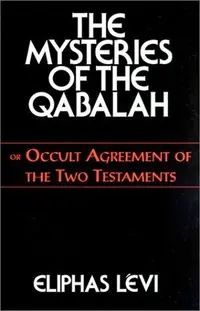
The Mysteries of the Qabalah: Or Occult Agreement of the Two Testaments
Stock reported in the catalog; fulfillment is confirmed with your request.
Uncover the hidden threads of unity between the Old and New Testaments through Qabalistic wisdom.
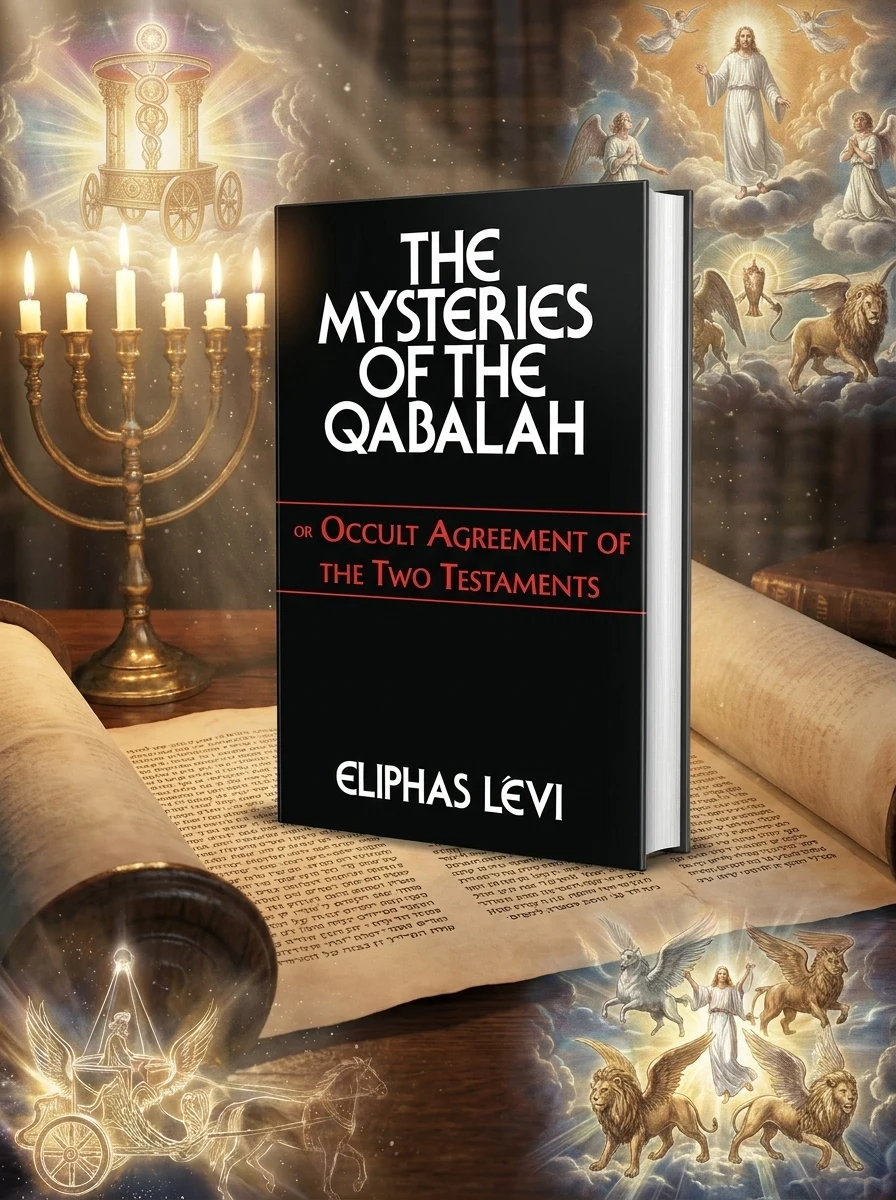
Eliphas Lévi, a towering figure in 19th-century esotericism, delves into the profound symbolic connections bridging the Old and New Testaments. This volume meticulously compares the mystical visions of Ezekiel with the intricate imagery of the Apocalypse of St. John, interpreting both through the lens of ancient Qabalistic principles. Lévi posits that these sacred narratives, often perceived as distinct, are in fact deeply interconnected, sharing a common esoteric language. His insightful commentary illuminates how Qabalistic symbolism forms a secret agreement, revealing a unified mystical tradition embedded within Christian and Jewish scriptures.
This work sits firmly within the 19th-century European esoteric revival, where scholars like Eliphas Lévi sought to synthesize Jewish mysticism with Christian theology. It represents a pivotal moment in Western occultism, bridging ancient Qabalistic traditions with emerging Hermetic studies.


📝 Description: The Mysteries of the Qabalah: Or Occult Agreement of the Two Testaments
💎 Expert review
📖 Why choose it
Why this book is worth reading
Readers fascinated by the hidden structural unity of religious texts will find profound satisfaction in Lévi’s intricate analysis. This book is ideal for those who believe that Jewish and Christian scriptures share a common esoteric root, offering a unique perspective on how Qabalistic symbolism acts as a secret agreement between them. It appeals to scholars and practitioners who wish to understand the mystical visions of Ezekiel and St. John not as isolated events, but as interconnected parts of a unified tradition. By decoding this shared language, you gain insight into the deeper spiritual architecture underlying both testaments.
⭐ Reader reviews
Reader rating
Lévi’s comparative approach is intellectually rigorous, yet it demands patience from those unfamiliar with dense Qabalistic terminology or biblical allegory. It does not suit casual readers seeking straightforward theological explanations or those who prefer literalist interpretations of scripture. The text assumes a high level of prior knowledge regarding mystical visions and symbolic correspondence. While its synthesis of the Old and New Testaments is compelling for esotericists, it may feel overly abstract or convoluted to general religious studies students lacking context in 19th-century occultism.
❓ Frequently asked questions
📖 Who should read this
If you are drawn to the mystical underpinnings of religious texts, fascinated by comparative esotericism, or seeking a deeper, symbolic understanding of the Bible through Qabalistic lenses, this book will profoundly illuminate your path.
🎯 Key themes and symbolism
Qabalistic Biblical Interpretation
Lévi masterfully applies the intricate system of the Qabalah to decipher biblical prophecy. He demonstrates how the Tree of Life and its emanations provide a framework for understanding the complex allegories and symbolic visions found in texts like Ezekiel and Revelation, offering a profound esoteric key to scriptural understanding beyond literal interpretation.
Esoteric Testamentary Unity
This work explores the audacious idea that the Old and New Testaments are not separate spiritual narratives but two facets of a single, continuous mystical tradition. Lévi meticulously draws parallels between their prophetic imagery and underlying spiritual principles, arguing for a profound, occult agreement that binds them together through shared Qabalistic concepts.
Lévi's Mystical Scholarship
Readers gain insight into Eliphas Lévi's unique and influential approach to religious texts. His scholarship transcends conventional theology, merging rigorous analysis with profound mystical insight. He reveals a hidden layer of meaning in scripture, presenting it not as dogma, but as a repository of universal esoteric truths accessible through Qabalistic study.
💬 Quotes from the book
“The truth of the Ages is not divided but veiled, and through the mystic geometry of the Qabalah, the disparate visions of prophets become a single, luminous tapestry.”
“Every symbol in the sacred text is a key, unlocking not merely a historical event, but a universal principle echoing from the primal emanation to the final consummation.”
📜 Historical context
📚 Glossary
- Qabalah
- Ezekiel
- Apocalypse of St. John
📔 Questions to reflect on
- Consider a biblical passage you find particularly enigmatic. How might a Qabalistic lens, as Lévi suggests, offer new layers of meaning?
- Reflect on the concept of 'occult agreement' between seemingly disparate religious texts. Where else in your studies might you find such hidden unities?
- How does Lévi's approach to scripture challenge or confirm your own understanding of religious truth and symbolic language?
🏛 Books from this publisher Weiser Books
All books from this publisher →



 87
87

You might also like
See more →
 89
89