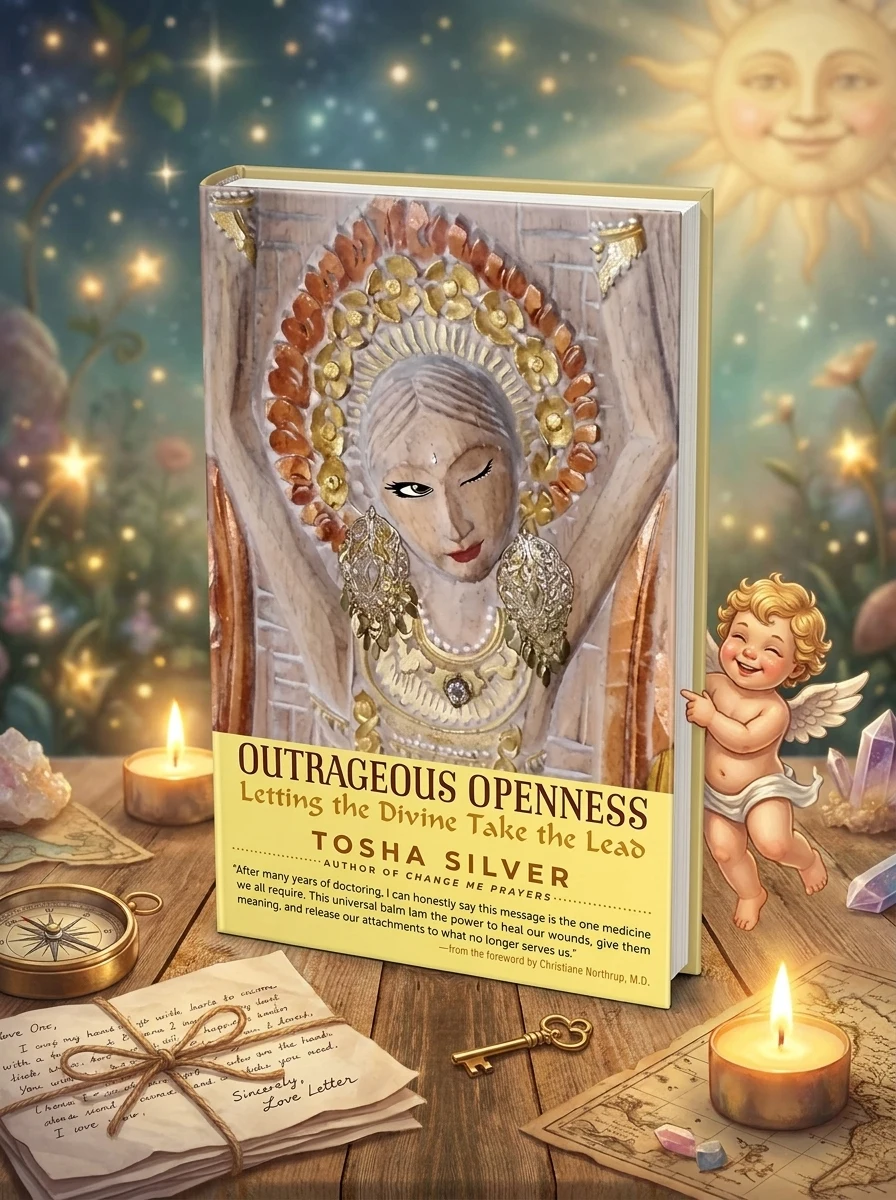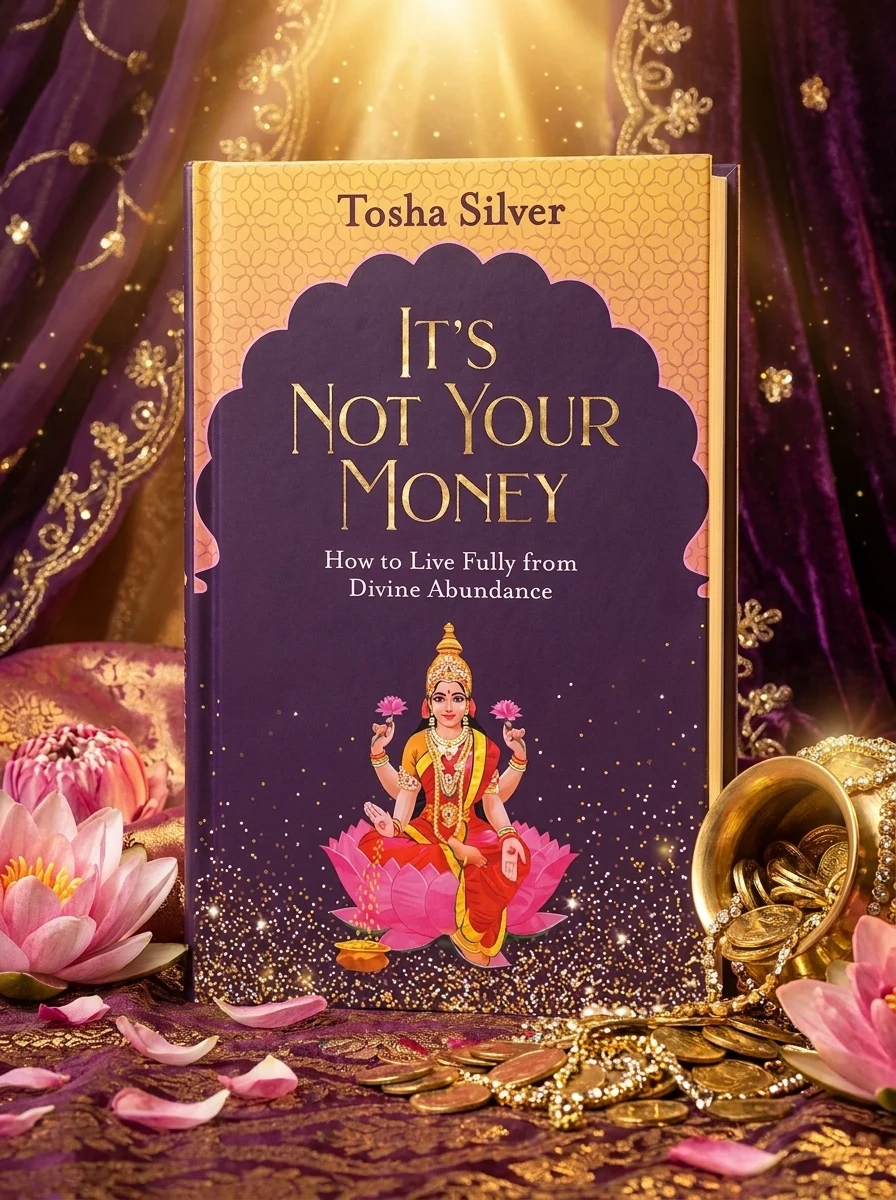
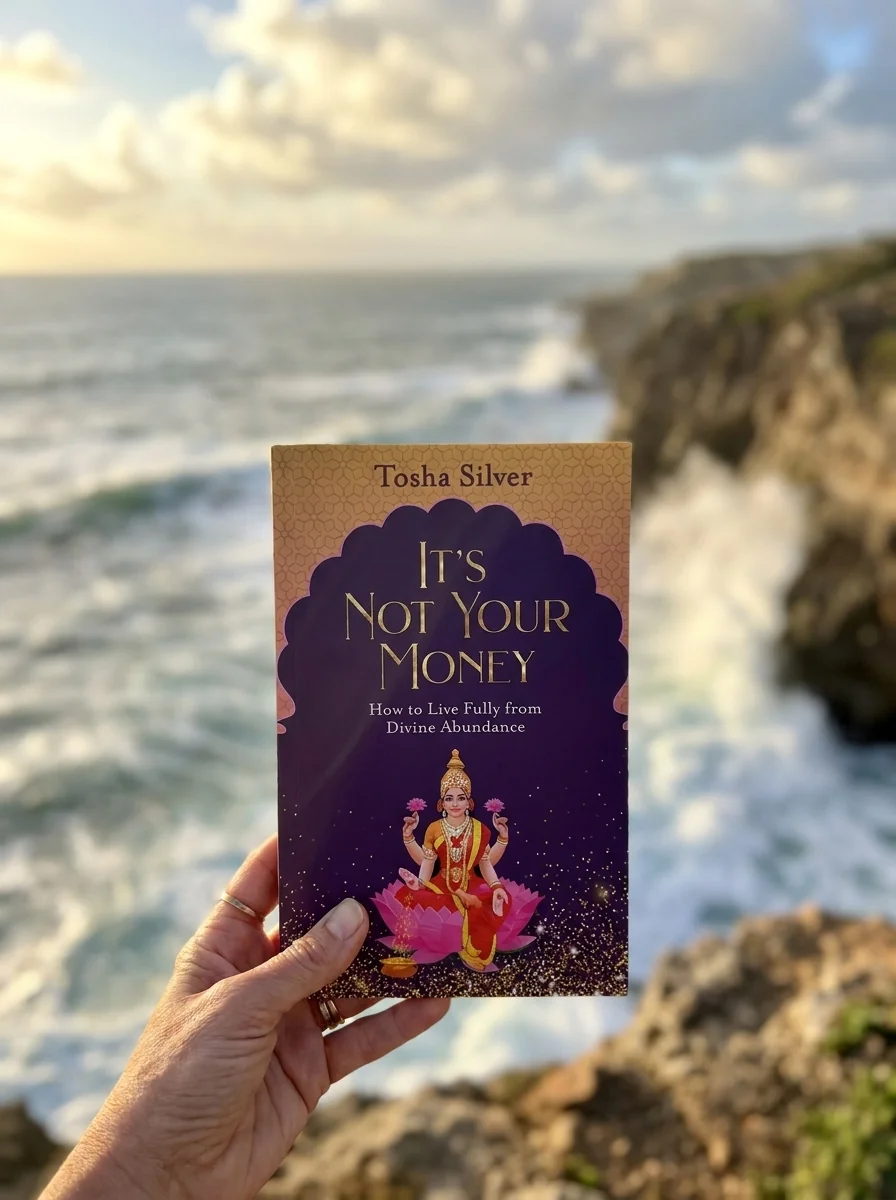
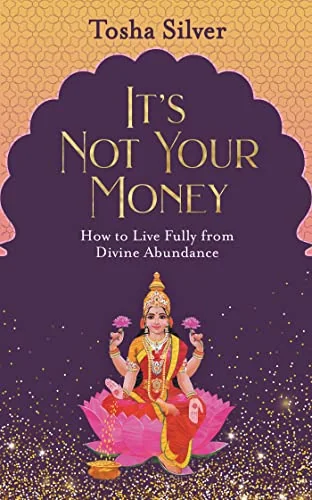
It's Not Your Money: How to Live Fully from Divine Abundance
✍️ Silver, ToshaA practical guide to releasing financial fear by aligning with spiritual abundance and Inner Love.
This work redefines personal finance through the lens of mind, body, and spirit disciplines. Drawing on thirty years of international teaching, Tosha Silver provides actionable methods to surrender monetary anxiety and connect with divine support. The text pairs spiritual principles with everyday practices, guiding readers away from material distress and toward internal alignment. Designed for those seeking mystical approaches to success, the book offers a distinct alternative to conventional financial planning manuals.
Originating from thirty years of global teaching and written in the Hudson River Valley, this text sits within modern Western mind, body, and spirit literature. It connects personal finance with contemporary mystical practices and divine offering traditions.


📝 Description: It's Not Your Money: How to Live Fully from Divine Abundance
💎 Expert review
📖 Why choose it
Why this book is worth reading
Readers burdened by financial anxiety and the relentless pressure of material scarcity will find profound relief in Silver’s gentle guidance. This book is ideal for those who feel stuck in the cycle of worry, seeking a spiritual alternative to conventional budgeting or hustle culture. It offers comfort to individuals ready to let go of control, trusting instead in a universe that inherently supports their needs. Those yearning for a shift from struggle to effortless flow will appreciate this radical call to surrender. It serves as a compassionate companion for anyone wishing to transform their relationship with wealth, moving beyond fear into a state of open reception and divine provision.
⭐ Reader reviews
Reader rating
Silver delivers a soothing counterpoint to the anxiety-driven financial advice prevalent in today’s market. Her approach is accessible and spiritually grounded, encouraging readers to release the heavy burden of material fear. However, those seeking concrete investment strategies or rigorous economic analysis will find this text entirely lacking in practical utility. It is not suited for skeptics who require empirical evidence over metaphysical trust. The book excels as a meditative guide for spiritual liberation rather than a tactical manual. Readers must be open to the concept of divine provision to fully engage with its message, making it a niche but potent resource for the spiritually inclined.
❓ Frequently asked questions
📖 Who should read this
If you're weary of endless financial worry and ready to explore a deeply spiritual path to prosperity, this book is for you. Dive in if traditional budgeting advice feels hollow, and you yearn for a profound shift in your relationship with money, guided by trust and cosmic generosity.
🎯 Key themes and symbolism
Radical Release of Fear
Silver provides actionable, spirited methods for letting go of deep-seated anxieties surrounding money. By encouraging readers to surrender their worries and trust in a universal supply, the book offers a pathway to dismantle the psychological chains of financial insecurity, fostering a lighter, more trusting relationship with their resources.
The Art of Offering
Central to Silver’s philosophy is the concept of "offering"—a simple yet profound practice of dedicating one's desires and outcomes to the divine. This isn't about passive resignation but an active, conscious handover that frees individuals from the burden of control, allowing a greater wisdom to orchestrate their financial path.
📜 Historical context
📚 Glossary
- Divine Abundance
- Offering (Practice)
- Radical Release
📔 Questions to reflect on
- Reflect on a time you felt completely supported financially, even when logic suggested otherwise. What role did trust play?
- Identify one specific financial worry you carry. How might you "offer" this concern to a higher power, even for a moment?
- Imagine your relationship with money as a flowing river. What blockages might you be unconsciously placing in its path, and how could you remove them?