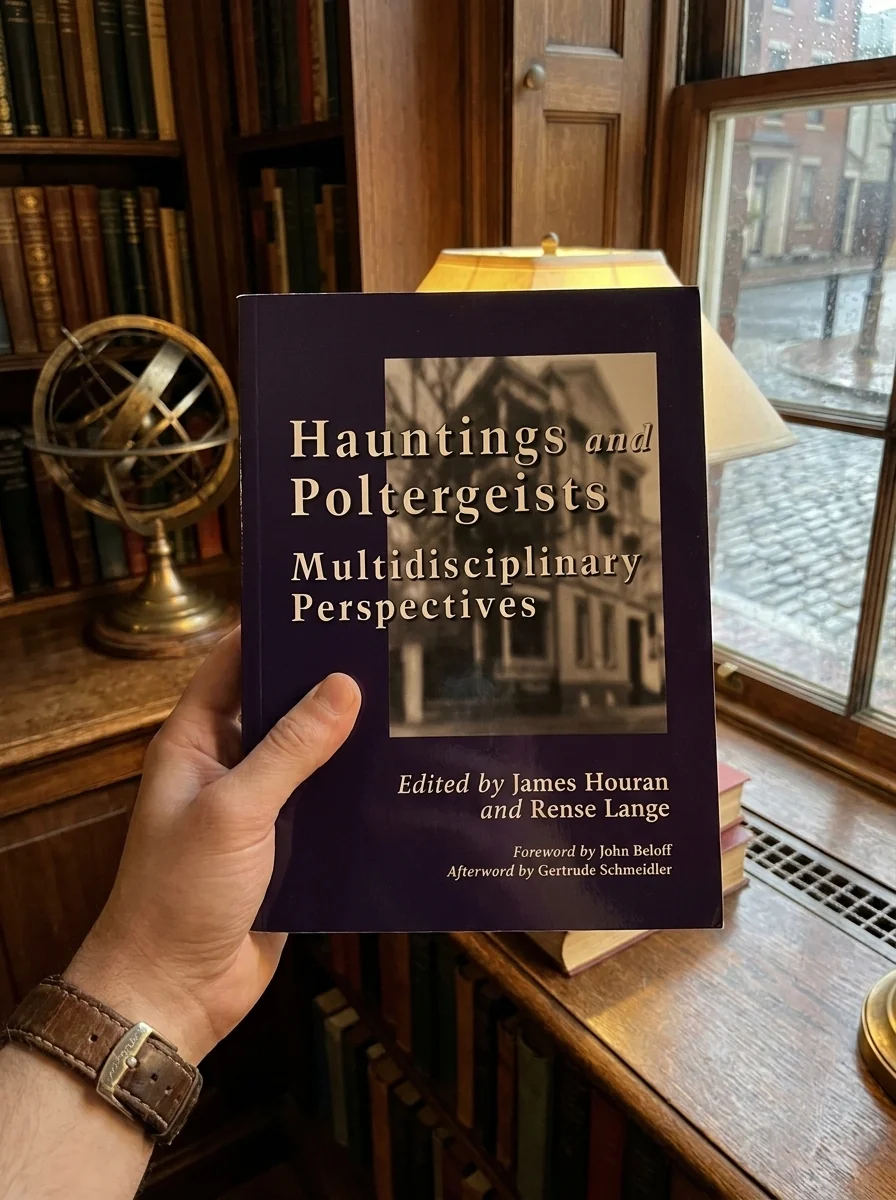
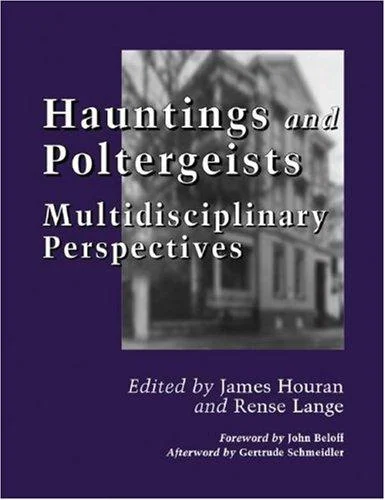
Hauntings and Poltergeists: Multidisciplinary Perspectives
Currently unavailable
This book is sold out right now. Leave your email — we'll let you know if it comes back, and you'll get 10% off any book today.
In stock now — readers of this book also loved:


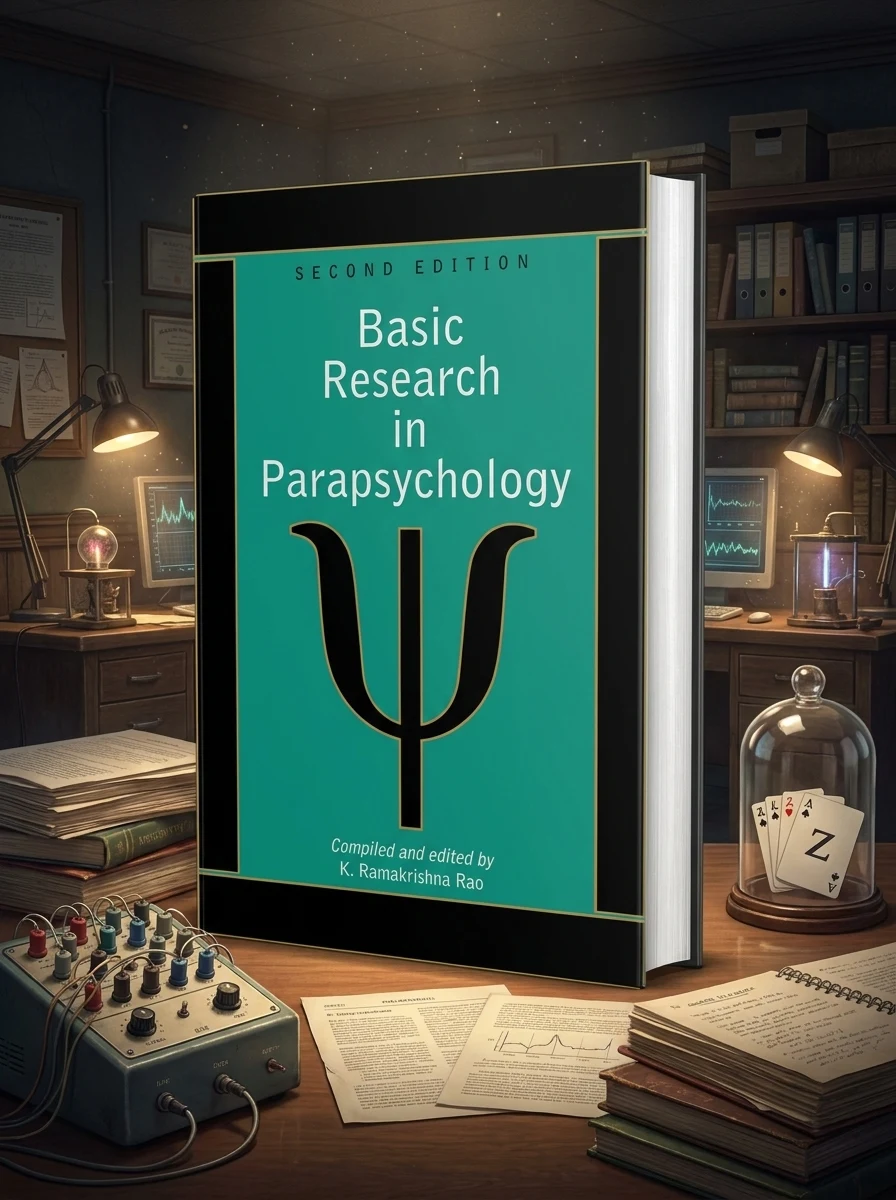
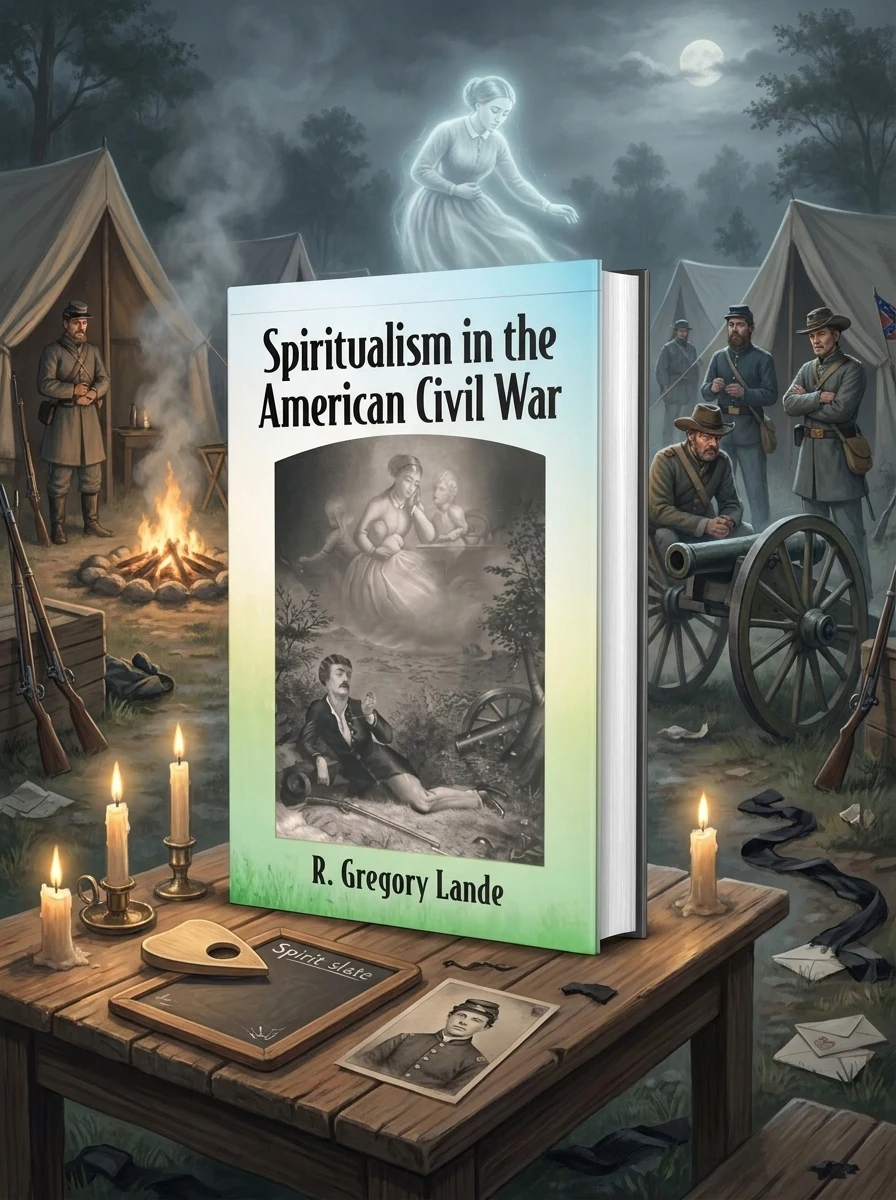
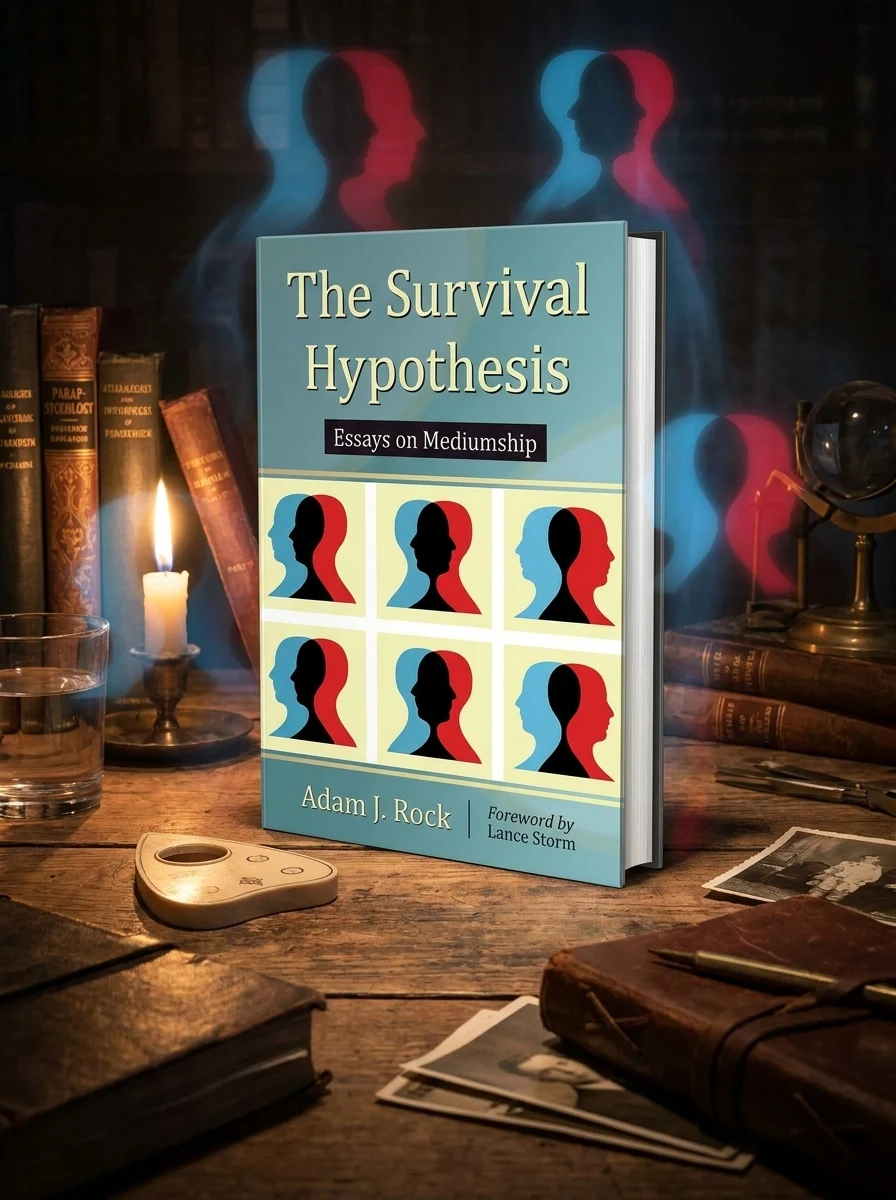
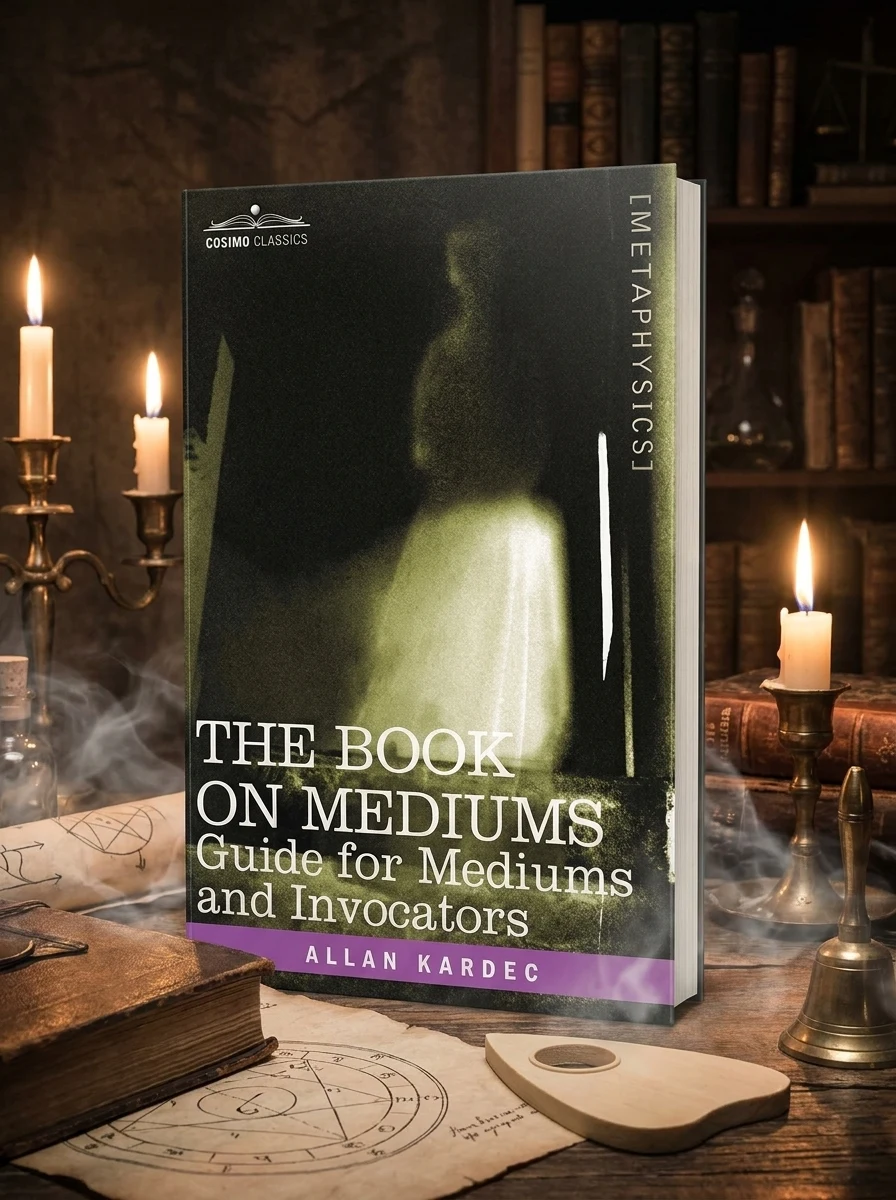
Dive deep into the perplexing world of hauntings and poltergeists with this illuminating collection of essays. Penned by leading minds across various academic disciplines, this work transcends mere anecdote to offer profound insights into the manifestations and underlying reasons behind these unexplained events. Experts from anthropology, history, philosophy, and psychology present a critical yet accessible exploration, fostering a more nuanced understanding of spectral phenomena and the intricate psychology of belief in the paranormal. It's an essential volume for anyone seeking serious intellectual engagement with the supernatural.


Praise for this book
“should be on the shelves of anyone with a serious interest in the topic of ghosts and poltergeists, whether the reader is a skeptic, agnostic or believer...fascinating...Editors Houran and Lange have done a good job in assembling the contributing authors into a coherent presentation of the field...a very valuable and extensive bibliography”
“Sets a benchmark for the study of the supernatural in mind and culture...an admirable model to guide future scholarship of extranormal belief”
“drawn together todays leading experts...required reading...an extremely useful update on the state of the science...excellent...important”
📝 Description: Hauntings and Poltergeists: Multidisciplinary Perspectives
📑 What's inside
- About the Contributors
- Foreword by John Beloff
- Preface
- I: Sociocultural Perspectives
- 1. Historical Introduction: The Example of Early Modern and Nineteenth-Century England
- 2. An Experience-Centered Approach to Hauntings
- 3. The Ghost Experience in a Wider Context
- 4. The Sociological Investigation of Haunting Cases
- 5. A House That Tries to Be Haunted: Ghostly Narratives in Popular Film and Television
- II: Physical and Physiological Perspectives
- 6. Investigations of Poltergeists and Haunts: A Review and Interpretation
- 7. Seeking Spirits in the Laboratory
- 8. Predicting the Characteristics of Haunt Phenomena from Geomagnetic Factors and Brain Sensitivity: Evidence from Field and Experimental Studies
- 9. From Haunted Brain to Haunted Science: A Cognitive Neuroscience View of Paranormal and Pseudoscientific Thought
- 10. Phantoms, Frauds, or Fantasies?
- III: Psychological Perspectives
- 11. A New Look at Haunting and Poltergeist Phenomena: Analyzing Experiences from a Semiotic Perspective
- 12. Apparitions and Kindred Phenomena: Their Relevance to the Psychology of Paranormal Belief and Experience
- 13. Relation of Hypnosis-Specific Attitudes and Behaviors to Paranormal Beliefs and Experiences: A Technical Review
- 14. Ambiguous Stimuli Brought to Life: The Psychological Dynamics of Hauntings and Poltergeists
- Afterword by Gertrude R. Schmeidler
- Bibliography
- Index
💎 Expert review
📖 Why choose it
Why this book is worth reading
This book is an essential resource for readers who crave intellectual depth beyond mere ghost stories. It serves those interested in the psychological and sociological underpinnings of paranormal belief, offering a nuanced view of why we perceive the supernatural. By synthesizing perspectives from anthropology, history, philosophy, and psychology, it provides a comprehensive toolkit for understanding the human mind's engagement with the unexplained. Ideal for scholars, serious enthusiasts, and skeptics alike, it transforms abstract curiosity into concrete knowledge, making it a vital addition for anyone seeking a rigorous, evidence-based approach to hauntings.
⭐ Reader reviews
Reader rating
For readers seeking light entertainment or sensationalist ghost tales, this book is decidedly not suited. It demands attention and critical thinking, offering no easy answers or thrilling narratives. However, for those willing to engage with complex academic essays, it provides unparalleled clarity on the psychology of belief. The multidisciplinary approach ensures a balanced view, avoiding the pitfalls of pure debunking or uncritical acceptance. It is a dense but rewarding read for the intellectually curious, though casual fans of the occult may find its tone too dry and analytical for their tastes.
❓ Frequently asked questions
📖 Who should read this
If you seek to move beyond sensationalism and wish for a grounded, intelligent exploration of ghostly phenomena, this collection offers a rare opportunity to engage with serious academic inquiry into the unseen. It's for the curious mind, the discerning researcher, and anyone fascinated by the boundaries of human experience.
🎯 Key themes and symbolism
Sociocultural Interpretations
This section delves into how societal norms, cultural narratives, and historical contexts shape our understanding and perception of hauntings. It explores the collective beliefs and shared stories that imbue certain places or events with supernatural significance, examining how these frameworks influence individual experiences and interpretations of the spectral.
Physical & Physiological Factors
Exploring potential environmental and biological underpinnings, this part investigates how physical phenomena or human physiological states might contribute to experiences attributed to ghosts. It considers how sensory perceptions, brain chemistry, or even specific environmental conditions could be misinterpreted, offering a grounded perspective on seemingly inexplicable occurrences.
Psychology of Belief
Delving into the human mind, this theme examines the intricate psychological processes that underpin belief in the paranormal. It explores how personal experiences, cognitive biases, and emotional states interact to form and reinforce convictions about ghosts and poltergeists, providing a crucial framework for understanding the subjective reality of such encounters.
📜 Historical context
📚 Glossary
- Haunting
- Poltergeist
- Paranormal
📔 Questions to reflect on
- How do personal beliefs or cultural backgrounds influence your interpretation of unusual events that might otherwise be labeled 'supernatural'?
- Consider a 'ghost story' you've heard or experienced. How might a multidisciplinary lens (sociological, psychological, physical) reframe its understanding?
- What responsibility do we have, as observers, to critically examine phenomena traditionally labeled as 'unexplained' before settling on a supernatural conclusion?
📖 Read on the blog
🏛 Books from this publisher McFarland & Company
All books from this publisher →
You might also like
See more →
Have a question about this item?
Ask about the edition, condition, delivery or anything else — we reply by email or phone, usually within a day.
