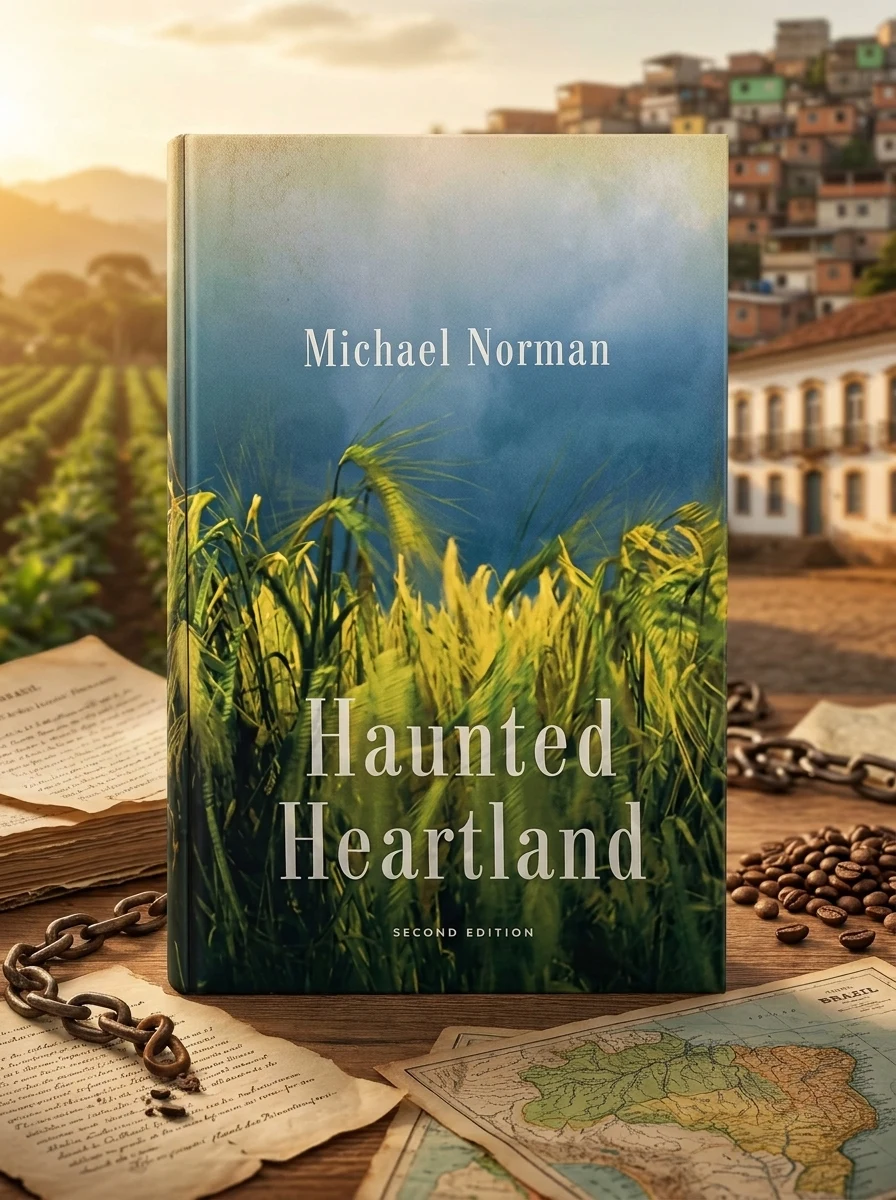
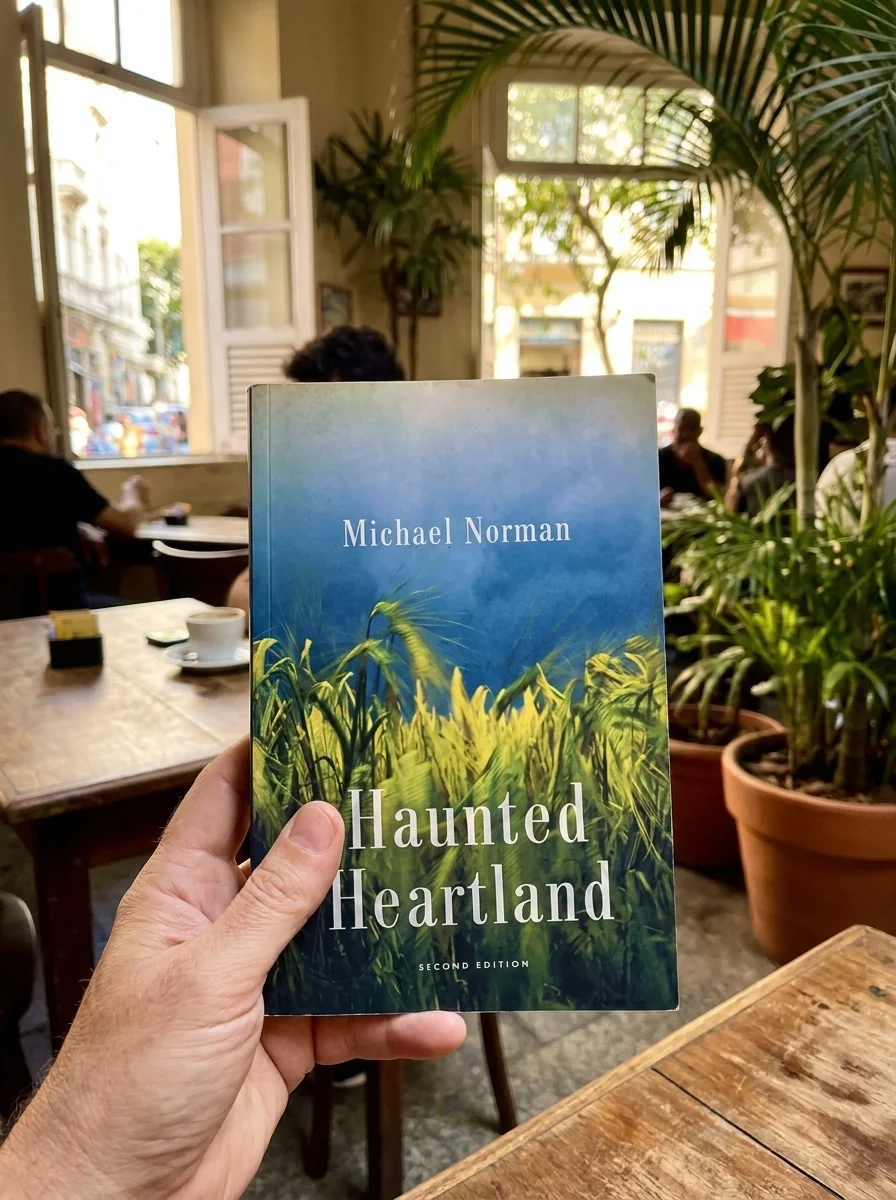

Haunted Heartland
✍️ Norman, MichaelThis book, 'Haunted Heartland,' delves into the profound, enduring legacy of racial inequality in Brazil from the late 19th through the late 20th century. Author Michael Norman, drawing from George Reid Andrews's research, meticulously uncovers how Brazil's claim of 'racial democracy' was systematically undermined by widespread discrimination. Focusing on key societal shifts in São Paulo, this work reveals the persistent challenges faced by Afro-Brazilians, despite the absence of formal segregation laws. It's a critical examination of how past injustices continue to shape the nation's present.


Praise for this book
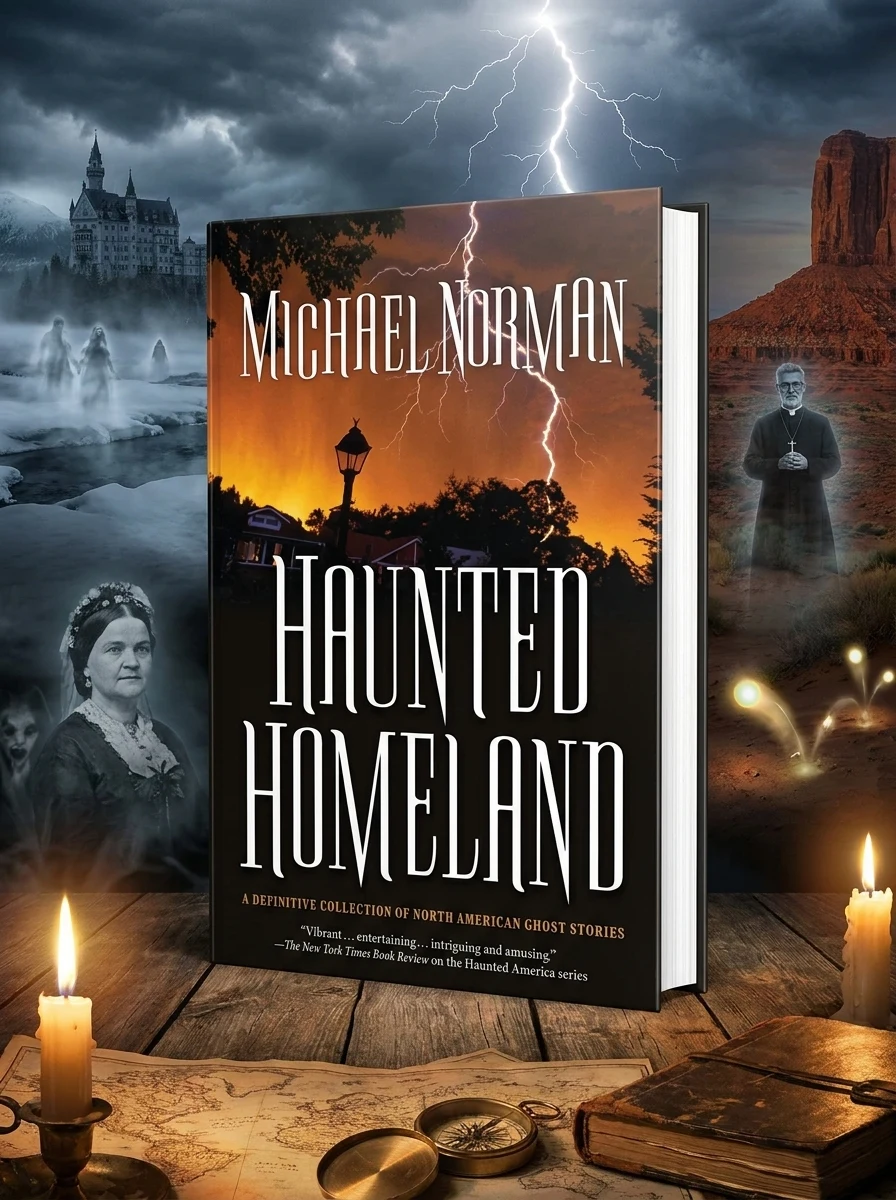
“An intriguing, engaging collection that is a real pleasure to read. This edition combines old favorites with new discoveries of strange tales. The author's extensive research into Midwestern ghost story traditions makes this well-loved book a valuable resource for folklorists.”
📝 Description: Haunted Heartland
📑 What's inside
- Preface to the Second Edition
- Illinois
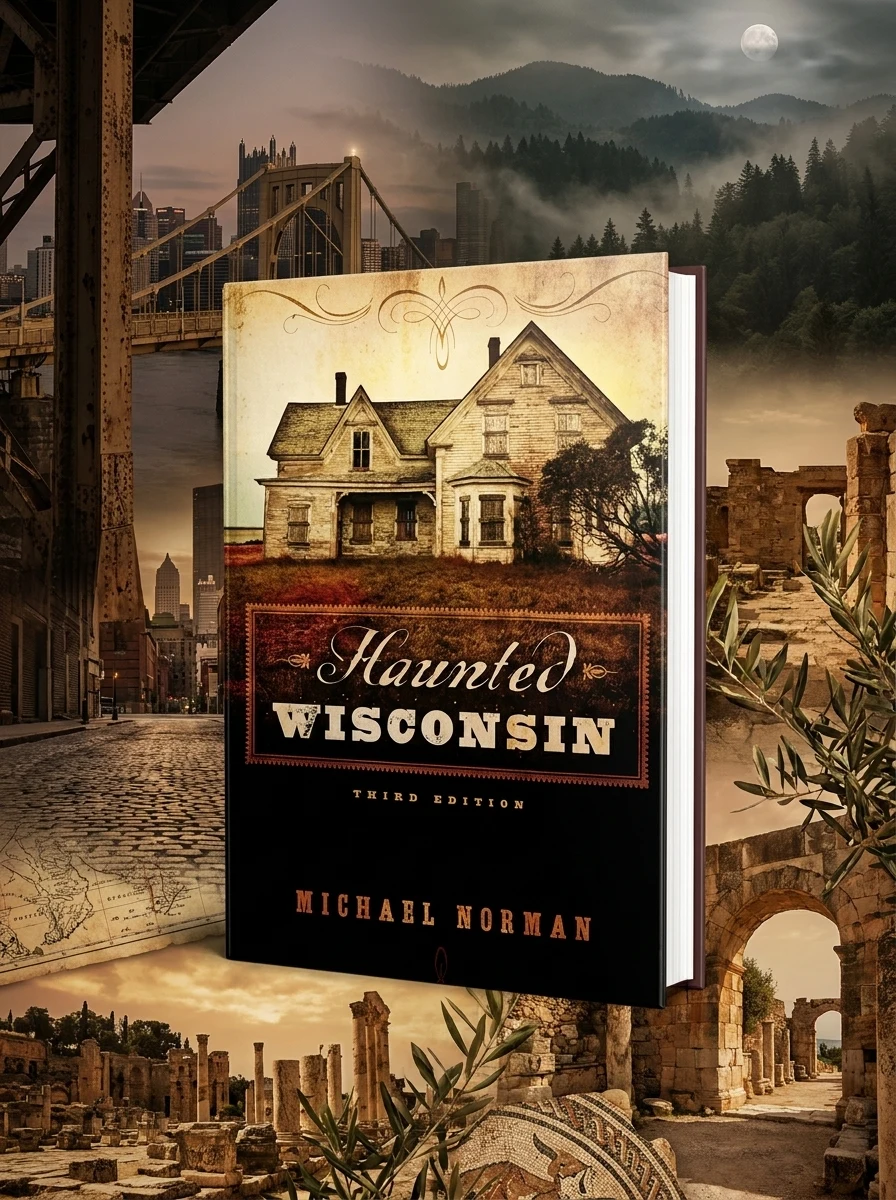
- The Girl on Sheridan Road (Lake Forest)
- Resurrection Mary (Chicago)
- Devil Baby (Chicago)
- The Telltale Hand (Chicago)
- Red Rose (Chicago)
- The Attic (Equality)
- Cave Dwellers (Burton)
- To Do Good (Kingston)
- The Devil's Bake Oven (Grand Tower)
- Old Man Lakey (McLeansboro)
- The Reincarnation of Mary Roff (Watseka)
- Lincoln and the Supernatural (Springfield)
- Indiana
- Diana of the Dunes (Indiana Dunes State Park)
- The Haunting of Hannah House (Indianapolis)
- The Vigil (Terre Haute)
- One of the Family (Evansville)
- Tippecanoe and Tecumseh, Too (Warren County)
- Moody's Light (Rensselaer)
- The Stump (Bloomington)
- Iowa
- Gone Too Soon (Southeast Iowa)
- The Guttenberg Poltergeist (Guttenberg)
- Mildred Hedges (Indianola)
- The Man in the Doorway (Oskaloosa)
- Ham House (Dubuque)
- Naughty George (Des Moines)
- Desperado (Winterset) 141
- Kansas
- Old Deg (Emporia)
- Ghost of the Purple Masque (Manhattan)
- Ménage à Trois (Wichita)
- Legend of White Woman Creek (Greeley County)
- Phantom Riders of the Pony Express (Hanover)
- A Dog's Tale (Dodge City)
- The Cursed Knife (Topeka)
- Elizabeth Polly (Fort Hays)
- Michigan
- The Soul of Stephen Strand (Battle Creek)
- The Schooner
- Erie Board of Trade (Saginaw)
- Man on the Beach (Deer Park)
- Redemption (Detroit)
- The Lynching (Menominee)
- The Lake Odessa Mystery (Lake Odessa)
- The Spurned Suitor (Gross Isle)
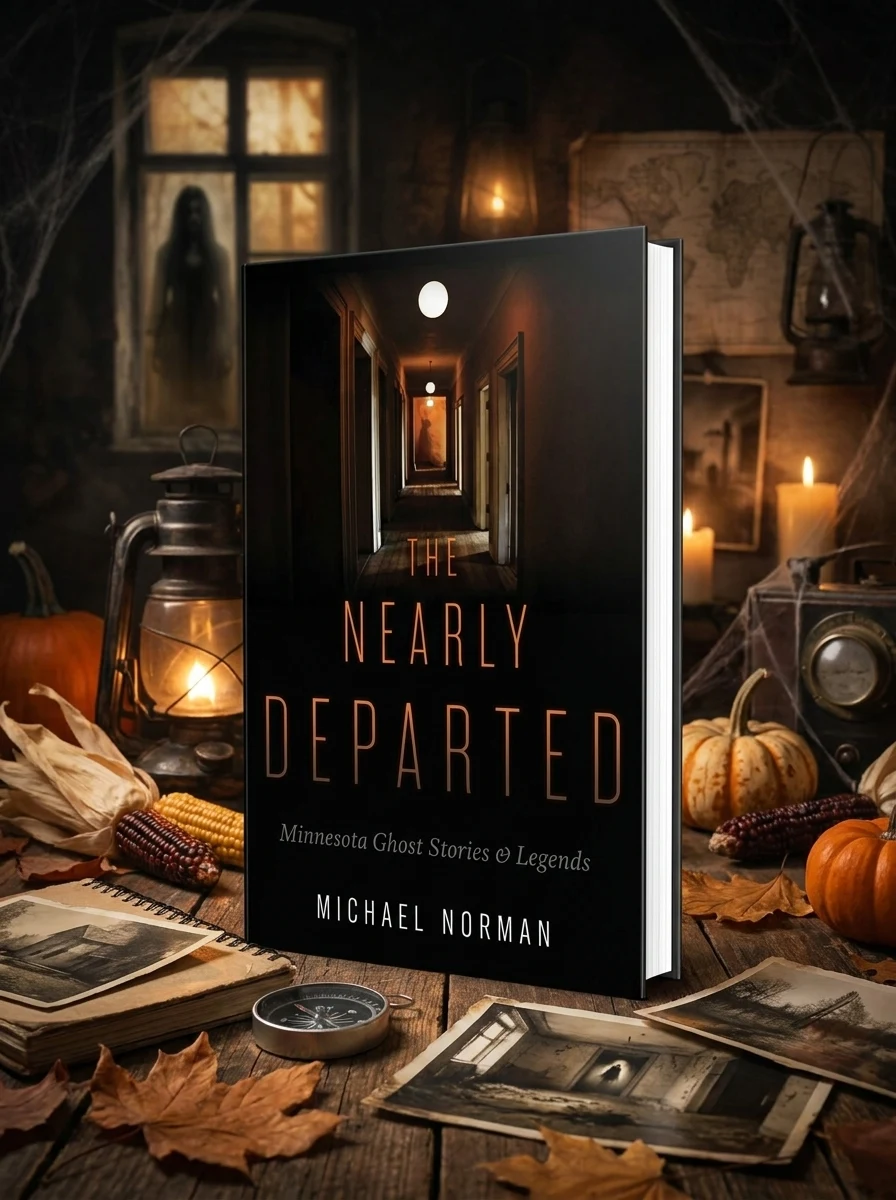
- Minnesota
- The Ghost Wore Plaid (St. Paul)
- Now You See Them (Rochester and Becker County)
- The Luminescent Attic (Eveleth)
- The Specter Priest (Winona)
- Mrs. Moriarity Comes Calling (St. Paul)
- The Invisible Homesteader (Monticello)
- The Phantom Miner (Crosby)
- A House on Summit Avenue (St. Paul)
- The Levitation of Archie Collins (Minneapolis)
- Missouri
- The Hornet Spook Light (Joplin)
Showing the first 60 entries.
💎 Expert review
📖 Why choose it
Why this book is worth reading
Readers deeply interested in the nuanced mechanics of systemic racism and the construction of national narratives will find immense value here. This book is essential for those seeking to understand how ideological frameworks like 'racial democracy' can obscure profound social inequalities. It offers a rigorous, evidence-based look at how historical injustices in São Paulo continue to resonate today. By dismantling the myth of seamless integration, it provides crucial context for contemporary discussions on race and equity in Brazil. Scholars, activists, and informed citizens concerned with post-colonial studies or Latin American history will gain a clearer, more honest perspective on the enduring legacy of discrimination.
⭐ Reader reviews
Reader rating
This text is a dense academic examination that may not suit casual readers seeking light entertainment or broad generalizations. It requires patience for detailed sociological analysis and specific historical focus on São Paulo rather than a pan-Brazilian overview. Readers expecting a narrative-driven history or personal anecdotes might find the tone too dry and analytical. However, for those committed to understanding the structural underpinnings of racial inequality, it is an indispensable resource that rigorously challenges comforting national myths with hard evidence.
❓ Frequently asked questions
📖 Who should read this
For those drawn to the deep, unsettling truths of societal injustice, or anyone seeking to understand how historical wounds linger. If you're fascinated by complex social histories and the hidden forces that shape national identity, this exploration of Brazil's haunted past is essential reading for you.
🎯 Key themes and symbolism
Brazilian Racial Democracy Myth
This study meticulously dismantles the long-held perception of Brazil as a harmonious 'racial democracy.' It exposes how, beneath the surface of social acceptance, pervasive economic and social disparities continued to plague Afro-Brazilians, revealing a complex history of systemic discrimination that belied the nation's public image.
Post-Slavery Racial Dynamics
Examine the intricate evolution of race relations in Brazil following the 1888 abolition of slavery. The book traces the entry of Afro-Brazilians into agricultural and urban labor, analyzing how economic transformations and governmental policies shaped their social standing and opportunities over a century.
São Paulo's Transformation
Discover how Brazil's most industrialized state, São Paulo, serves as a crucial case study for understanding national racial dynamics. From its roots as a plantation economy to its emergence as a metropolitan hub, the book highlights how these profound shifts impacted the lives and experiences of its Afro-Brazilian population.
📜 Historical context
📚 Glossary
- Racial Democracy
- Abolition of Slavery (1888)
- Afro-Brazilians
📔 Questions to reflect on
- How might the concept of a 'haunted heartland' apply to other nations grappling with historical injustices and their lasting impact?
- Considering Brazil's experience, what are some subtle, non-legislated forms of discrimination that might persist in societies today?
- How does historical research like this challenge or reinforce your understanding of national identity and claims of social harmony?