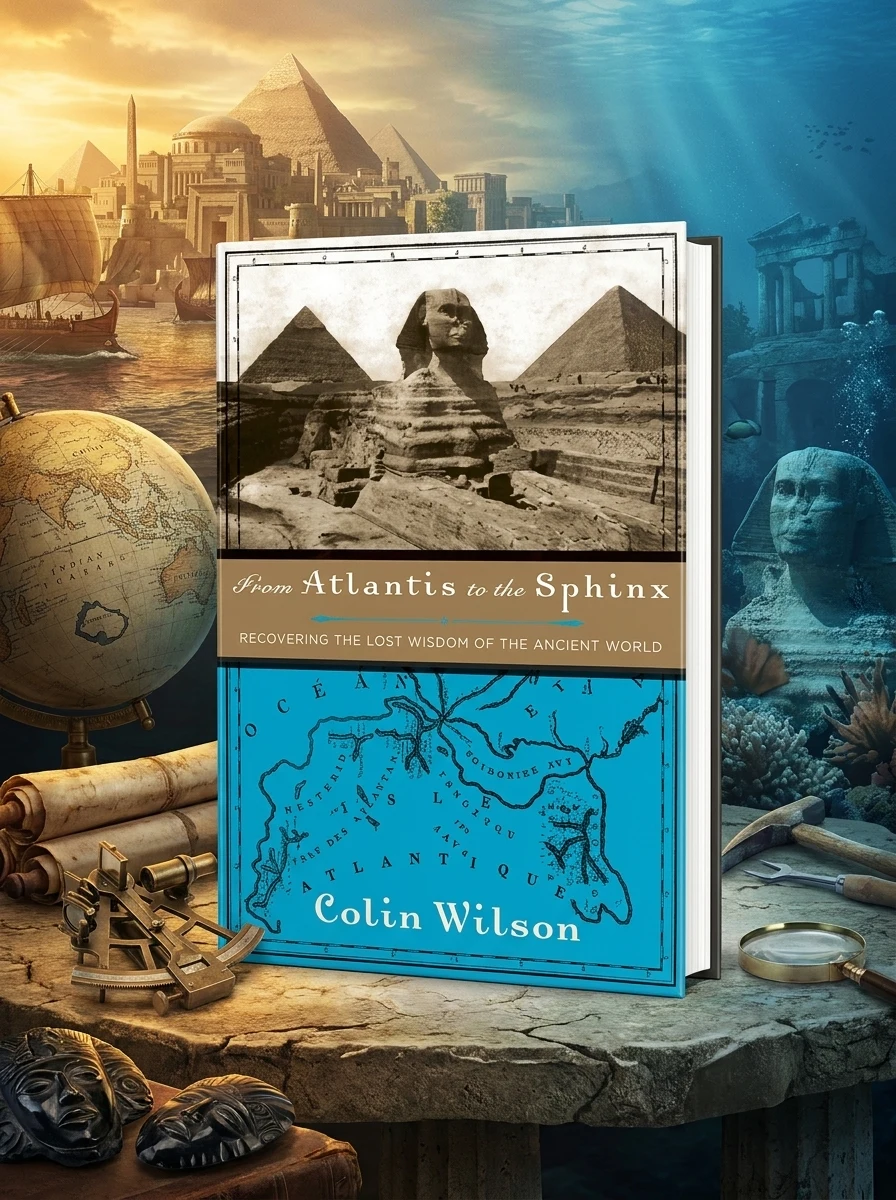
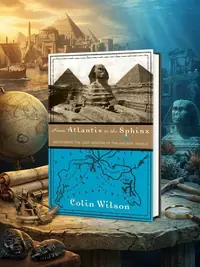
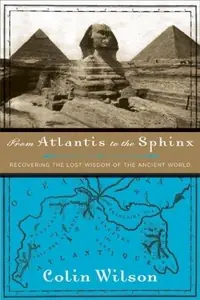
From Atlantis to the Sphinx
Wilson, ColinThis edition can be ordered. No arrival date is confirmed.
What if ancient civilizations were far older and wiser than we've ever imagined?
Colin Wilson boldly re-evaluates humanity's past, proposing a highly advanced, global civilization that flourished millennia before established cultures like ancient Egypt or Greece. He theorizes this sophisticated society, with profound scientific and astronomical knowledge, disseminated its wisdom across continents, from China to South America. Central to his argument is the Sphinx's enigmatic water erosion, suggesting an origin far predating archaeological consensus. Wilson reinterprets Atlantis not as a sunken island, but as a vast, ancient culture whose legacy profoundly influenced subsequent human development after its decline or catastrophe.
This work sits firmly within the speculative history and esoteric tradition of challenging mainstream archaeological consensus. It aligns with literature that reinterprets ancient myths as records of advanced, lost civilizations.


📝 Description: From Atlantis to the Sphinx
💎 Expert review
📖 Why choose it
Why this book is worth reading
Readers fascinated by alternative histories and the mysteries of antiquity will find this book a compelling invitation to rethink human origins. Colin Wilson offers a bold re-evaluation of our past, proposing that a sophisticated global civilization preceded established cultures like Egypt or Greece. If you enjoy theories linking ancient wisdom to modern science, or if the enigmatic Sphinx has always intrigued you, this text provides a stimulating framework for understanding how knowledge disseminated across continents. It is perfect for those who question conventional timelines and seek to understand the profound legacy of lost societies that may have shaped our current world in ways we are only beginning to grasp.
⭐ Reader reviews
Reader rating
Wilson presents a provocative thesis regarding a highly advanced, global precursor culture, using evidence like water erosion on the Sphinx to challenge standard archaeological timelines. While intellectually stimulating for open-minded seekers, this book is not suited for strict academic historians or those who prefer established, peer-reviewed chronological frameworks. Readers seeking definitive proof rather than speculative theory may find the arguments insufficient. However, for those willing to engage with bold reinterpretations of ancient civilizations and their enduring influence on human development, Wilson’s work offers a fascinating, if controversial, perspective on our collective heritage.
❓ Frequently asked questions
📖 Who should read this
If you're a seeker of forgotten truths, perpetually questioning established historical narratives, or fascinated by the unsolved riddles of ancient civilizations, this book is for you. Prepare to have your understanding of human history profoundly re-evaluated.
🎯 Key themes and symbolism
Sphinx's True Age
The book delves deep into the contentious debate surrounding the Great Sphinx of Giza. By highlighting geological evidence of water erosion on the monument, Wilson questions traditional archaeological dating, suggesting a construction thousands of years earlier than commonly accepted, thereby opening a Pandora's Box of historical possibilities.
Atlantis: A Cultural Legacy
Moving beyond the myth of a literal sunken island, Wilson reinterprets Atlantis as a metaphorical representation of this lost, advanced civilization. He explores how its decline, whether gradual or catastrophic, led to the dispersal of its survivors and their fragmented wisdom, influencing subsequent cultures across the globe.
💬 Quotes from the book
“What if the cradle of civilization wasn't in Mesopotamia or the Nile, but a forgotten global network whose echoes still whisper from ancient stones?”
“The Sphinx, silent sentinel of the ages, bears witness not to the pharaohs alone, but to a deluge of time long before their empires rose.”
📜 Historical context
📚 Glossary
- Atlantis
- Sphinx Erosion
- Pre-Dynastic Egypt
📔 Questions to reflect on
- How does the idea of a much older, advanced civilization challenge your personal understanding of human progress and history?
- If the Sphinx truly predates dynastic Egypt by thousands of years, what other ancient mysteries might require a complete re-evaluation?
- Consider the implications if a global catastrophe erased most evidence of a high culture. What lessons could we draw for our own future?
✍️ More books by this author Wilson, Colin
All books by this author →

🏛 Books from this publisher Weiser Books
All books from this publisher →





 87
87
You might also like
See more →