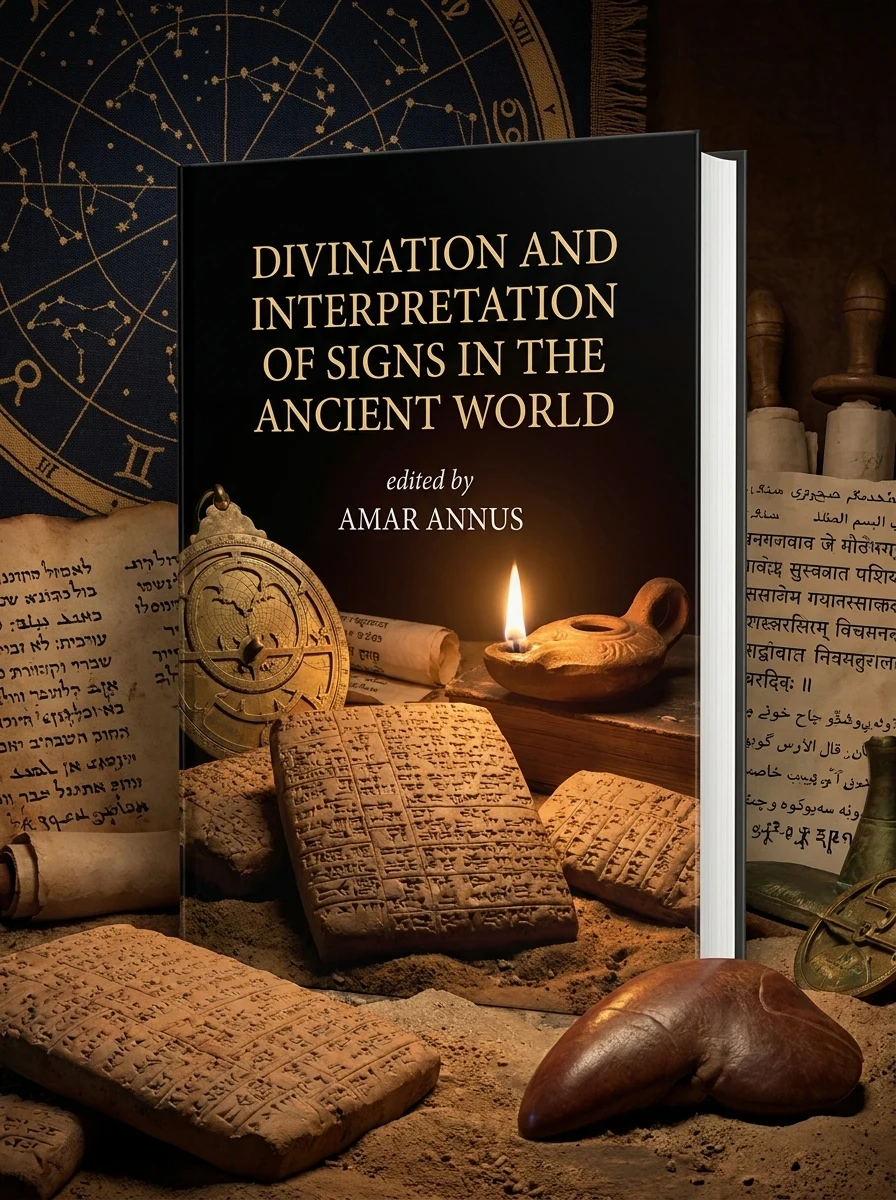
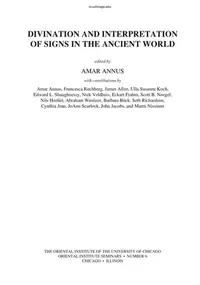
Divination and Interpretation of Signs in the Ancient World Annus, Amar
Stock reported in the catalog; fulfillment is confirmed with your request.
Babylonian divination birthed the ancient world's obsession with reading the future in physical signs.
This scholarly volume traces the origins of omen interpretation to Mesopotamia, revealing how Babylonian scholars systematized the reading of portents. It explores the transmission of these complex hermeneutic systems across languages including Aramaic, Sanskrit, and Sogdian. The text dissects the theoretical frameworks that allowed Babylonian astrologers and augurs to decode divine will, demonstrating their profound impact on neighboring cultures and establishing a foundational paradigm for Western and Eastern esoteric practices alike.
This volume anchors itself in the scholarly study of ancient Mesopotamian culture, specifically examining the Babylonian roots of divinatory practices. It situates these early hermeneutic systems within a broader context of cross-cultural transmission across Aramaic, Sanskrit, and Sogdian traditions.


📝 Description: Divination and Interpretation of Signs in the Ancient World Annus, Amar
💎 Expert review
📖 Why choose it
Why this book is worth reading
Scholars of esoteric history and students of ancient Near Eastern cultures will find profound value in this rigorous examination of how Babylonian scholars first systematized the reading of portents. This book is essential for those seeking to understand the foundational paradigms that influenced both Western and Eastern divinatory practices. By tracing the transmission of these complex interpretive frameworks through languages like Aramaic and Sanskrit, it offers a unique window into the intellectual mechanisms used to decode divine will. It appeals to readers who appreciate deep historical analysis over casual mysticism, providing the theoretical backbone necessary for understanding the evolution of sign interpretation from its Mesopotamian origins.
⭐ Reader reviews
Reader rating
Been hunting for a decent copy of this text for ages. Plenty of passages worth underlining; my copy is already full of margin notes. The font runs small in the appendices. Recommended with reservations.
This text serves as a dense, academic exploration rather than a practical guide for modern practitioners. It is strictly for those interested in the historical transmission of omen interpretation and the scholarly analysis of ancient hermeneutics. Readers seeking quick divination tips or accessible mystical insights will likely find this volume dry and overly theoretical. It does not suit casual hobbyists looking for entertainment, nor does it cater to those uninterested in the linguistic and cultural complexities of Aramaic, Sanskrit, or Sogdian traditions. The focus remains firmly on the systematic nature of Babylonian astrologers and augurs, demanding patience from anyone expecting a lighter touch.
❓ Frequently asked questions
📖 Who should read this
For the serious student of ancient history and esoteric traditions who seeks academic rigor regarding the origins of Western and Near Eastern divination systems.
🎯 Key themes and symbolism
Mesopotamian omen literature
Cross-cultural transmission of divination
Ancient hermeneutic theory
💬 Quotes from the book
“The concept of sign, a portent observed in the physical world, which indicates future events, is found in all ancient cultures.”
“This branch of Babylonian scientific knowledge extensively influenced other parts of the world.”
📜 Historical context
📚 Glossary
- Hermeneutics
- Portent
- Mesopotamian
📔 Questions to reflect on
- How does the ancient desire to predict the future reflect our modern need for control over uncertainty?
- In what ways do contemporary 'signs' or synchronicities mirror the structured omen lists of Babylon?
- How might the cross-cultural transmission of these ideas have altered the spiritual landscape of the ancient world?
🏛 Books from this publisher Institute for the Study of Ancient Cultures
All books from this publisher →
You might also like
See more →



 91
91

 91
91
 91
91