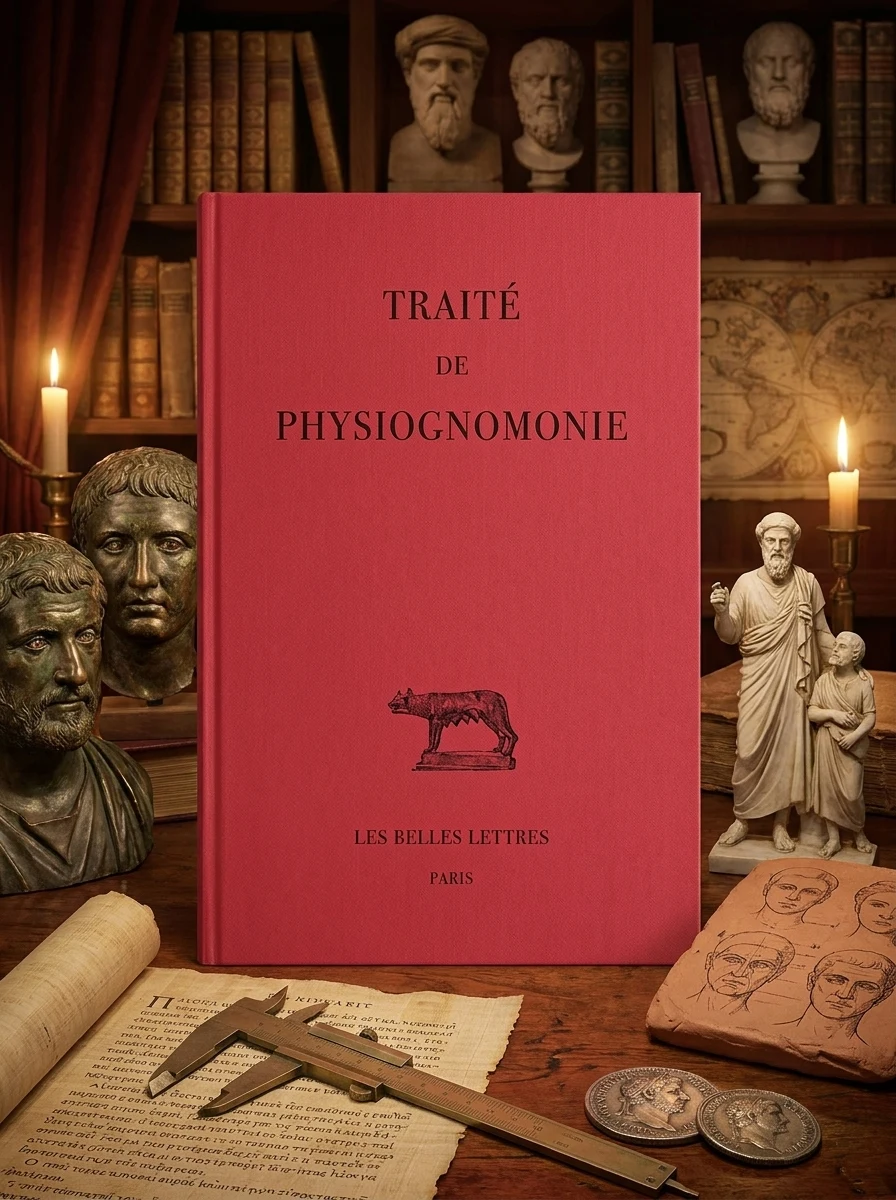
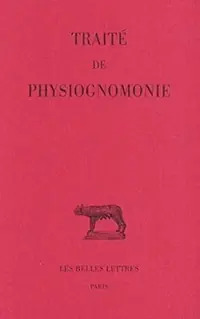
Anonyme, Traite de Physiognomonie Andre, Jacques
This edition can be ordered. No arrival date is confirmed.
Unlock ancient secrets: discern character, destiny, and hidden truths from outward form.
This fascinating edition unveils an anonymous Latin treatise, a rare window into the ancient practice of physiognomy—the art of discerning inner character from outward physical traits. Though often overlooked in modern scholarship, this discipline held immense sway in classical antiquity, influencing figures from Pythagoras, who vetted disciples by their looks, to Roman Emperors consulting 'metoposcopi.' Our volume not only presents this invaluable text, derived from Greek sources, but also offers a comprehensive introduction tracing physiognomy's journey from its Hellenic roots through its impact on Latin theater, alongside critical insights into its likely 4th-century authorship and manuscript lineage.
This work sits at the intersection of classical antiquity and Renaissance esoteric practice, bridging Greek philosophical traditions with Latin theatrical influences through the lens of physiognomy.


📝 Description: Anonyme, Traite de Physiognomonie Andre, Jacques
💎 Expert review
📖 Why choose it
Why this book is worth reading
Readers fascinated by the hidden connections between physical appearance and inner destiny will find this volume an indispensable key to unlocking ancient wisdom. It serves as a rare window into a discipline that once held immense sway over classical society, offering insights from Pythagoras vetting disciples to Roman Emperors seeking guidance. This edition is perfect for those eager to understand the historical trajectory of physiognomy from its Hellenic roots through its Latin theatrical impact. Scholars and occult enthusiasts alike will appreciate the comprehensive introduction tracing manuscript lineage and authorship, making complex ancient texts accessible without sacrificing scholarly depth or historical context.
⭐ Reader reviews
Reader rating
This publication offers a compelling glimpse into the often-overlooked art of physiognomy, providing valuable critical insights into its Greek origins and Latin reception. However, it is not suited for casual readers seeking modern psychological advice or those uninterested in classical philology. The dense focus on manuscript lineage and historical authorship may alienate those looking for practical application rather than academic context. It is best reserved for serious students of esoteric history who appreciate rigorous textual analysis over accessible self-help frameworks, as it prioritizes scholarly reconstruction of ancient practices over contemporary interpretation or ease of reading.
❓ Frequently asked questions
📖 Who should read this
If you're a classicist, historian of ancient thought, or simply fascinated by the esoteric beliefs that shaped the classical world, this meticulous edition offers an unparalleled deep dive into physiognomy's profound, yet often underestimated, influence on ancient society, literature, and art.
🎯 Key themes and symbolism
Ancient Physiognomy's Scope
Explores how physiognomy wasn't just a fringe belief but a fundamental aspect of classical thought, deeply embedded in social interactions, literary characterization, and artistic representation, far beyond what common surviving texts suggest. It was a lens through which the ancients understood the world and each other.
Classical Intellectual Lineage
Reveals the surprising breadth of physiognomy's influence, tracing its presence from early Greek medicine (Hippocrates) to philosophers like Pythagoras, later physicians like Galen, and historians like Suetonius, showcasing its pervasive intellectual footprint and its continuous evolution across centuries of classical thought.
Reclaiming Lost Knowledge
Presents a crucial, previously underappreciated anonymous Latin treatise, which, despite its fragmented origins from Greek sources, offers unique insights into this 'forgotten science.' The book meticulously reconstructs its historical context, authorship, and textual tradition, bringing this vital piece of ancient wisdom to light for contemporary readers.
💬 Quotes from the book
“The pervasive influence of physiognomy, often underestimated by modern scholarship, shaped classical society far more profoundly than fragmented textual evidence typically suggests.”
“Our critical edition endeavors to meticulously reconstruct the context and textual lineage of this anonymous work, illuminating its journey from Greek origins to its Latin adaptation.”
📜 Historical context
📚 Glossary
- Physiognomy
- Metoposcopi
- Stemma
📔 Questions to reflect on
- How do modern perceptions of character as revealed by outward appearance differ from, or align with, the ancient principles of physiognomy?
- Consider the ethical implications of judging individuals solely based on physical traits. How might these have played out in ancient society versus contemporary contexts?
- How might a deeper understanding of ancient physiognomy change your interpretation of character descriptions or artistic representations in classical literature and art?
📖 From the series “Collection Des Universites de France Serie Latine”
All books in the series →

🏛 Books from this publisher Les Belles Lettres
All books from this publisher →You might also like
See more →

 91
91
 91
91

 91
91