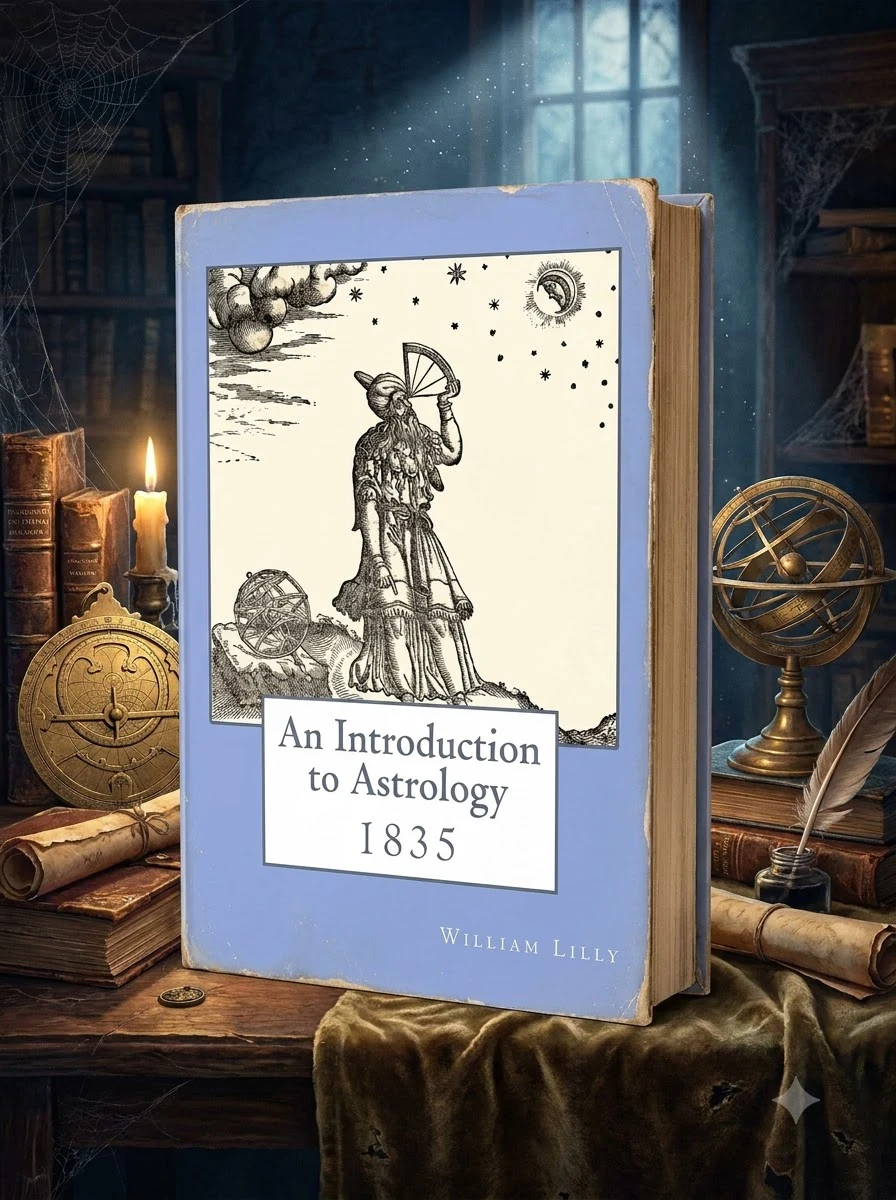
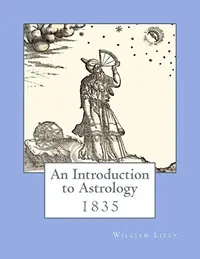
An Introduction to Astrology: 1835
Stock reported in the catalog; fulfillment is confirmed with your request.
Unearth the celestial wisdom of the 19th century with a master of astrological lore.
This faithful reproduction presents William Lilly's seminal 1835 work, 'An Introduction to Astrology,' offering a direct portal to historical astrological practice. Delve into foundational concepts from the Sun's zodiacal journey to the intricate significations of Saturn and the symbolism of planetary colors. This volume meticulously details the structure of the twelve houses and other core principles, essential for anyone seeking an authentic understanding of classical astrological thought. It’s an indispensable resource for both dedicated students and scholars of esoteric history.
This volume serves as a faithful reproduction of William Lilly's seminal 1835 work, offering a direct portal to historical astrological practice and classical thought. It preserves the foundational concepts and intricate significations that defined the esoteric tradition of the nineteenth century.


📝 Description: An Introduction to Astrology: 1835
💎 Expert review
📖 Why choose it
Why this book is worth reading
This volume is an indispensable resource for dedicated students and scholars of esoteric history who seek an authentic understanding of classical astrological thought. By presenting a faithful reproduction of William Lilly's seminal 1835 work, it offers a direct portal to historical practice that modern interpretations often obscure. Readers will delve into foundational concepts ranging from the Sun's zodiacal journey to the complex symbolism of planetary colors and the structure of the twelve houses. It is particularly valuable for those interested in the celestial wisdom of the nineteenth century and the masterful lore preserved within these pages. This book allows enthusiasts to engage with the core principles that underpin traditional astrology, providing a rigorous and unadulterated look at how planetary significations were understood during this pivotal era of occult study.
⭐ Reader reviews
Reader rating
This publication stands as a meticulous reproduction of William Lilly's 1835 text, essential for academic rigor and historical preservation. It successfully details the structure of the twelve houses and foundational astrological concepts, serving as a vital primary source for researchers. However, it is not suitable for casual readers seeking modern psychological astrology or quick, simplified horoscopes. The dense, classical style may alienate those unfamiliar with nineteenth-century esoteric literature. While invaluable for scholars and serious practitioners analyzing historical methods, general hobbyists might find the lack of contemporary commentary or accessible language barriers to be significant drawbacks in their reading experience.
❓ Frequently asked questions
📖 Who should read this
For serious students of astrology, historical researchers, and those who appreciate the untouched authenticity of classic esoteric texts. If you seek to understand the roots of modern astrological practice directly from a venerable source, this volume is an essential addition to your study.
🎯 Key themes and symbolism
Foundational Astrological Principles
This volume meticulously outlines the core tenets of celestial interpretation, from understanding the Sun's path through the zodiac to deciphering the profound influences of planetary bodies like Saturn. It provides a structured guide to the fundamental components of a birth chart, including the critical system of the twelve astrological houses, crucial for any serious student.
Planetary Symbolism & Meaning
Lilly’s work explores the rich tapestry of planetary significations, detailing not only the character of celestial bodies but also their associated colors and broader symbolic meanings. Readers will discover how these ancient attributions informed early astrological readings, offering a nuanced perspective on the energetic qualities each planet brings to a chart.
Historical Practice & Method
More than just a textbook, this edition serves as a window into 19th-century astrological methodology. It includes an "Epistle to the Student," reflecting the traditional pedagogical approach, and diagrams illustrating concepts like equinoctial signs, showcasing the practical tools and perspectives employed by practitioners of the era.
💬 Quotes from the book
“Consider well, young Student, the diurnal motion of the Sun through the Ecliptic, for therein lies the very breath of time and the foundation of all terrestrial prognostication.”
“Saturn, though oft maligned for his melancholic aspect, doth yet bestow the gifts of discipline and profound wisdom upon those born under his sterner gaze, if understood aright.”
📜 Historical context
📚 Glossary
- Equinoctial Signs
- Twelve Houses
- Significators
📔 Questions to reflect on
- How might the "Epistle to the Student" in Lilly's time differ from a modern introduction to astrology, and what does this reveal about historical learning?
- Reflect on the detailed significations of planets like Saturn. How do these ancient interpretations resonate or diverge from contemporary psychological astrology?
- Given the disclaimer about outdated methods, what responsibilities do modern readers have when engaging with historical esoteric texts?
🏛 Books from this publisher Createspace Independent Publishing Platform
All books from this publisher →




You might also like
See more →
 90
90