
US shipping Secure card payment Occult and esoteric books

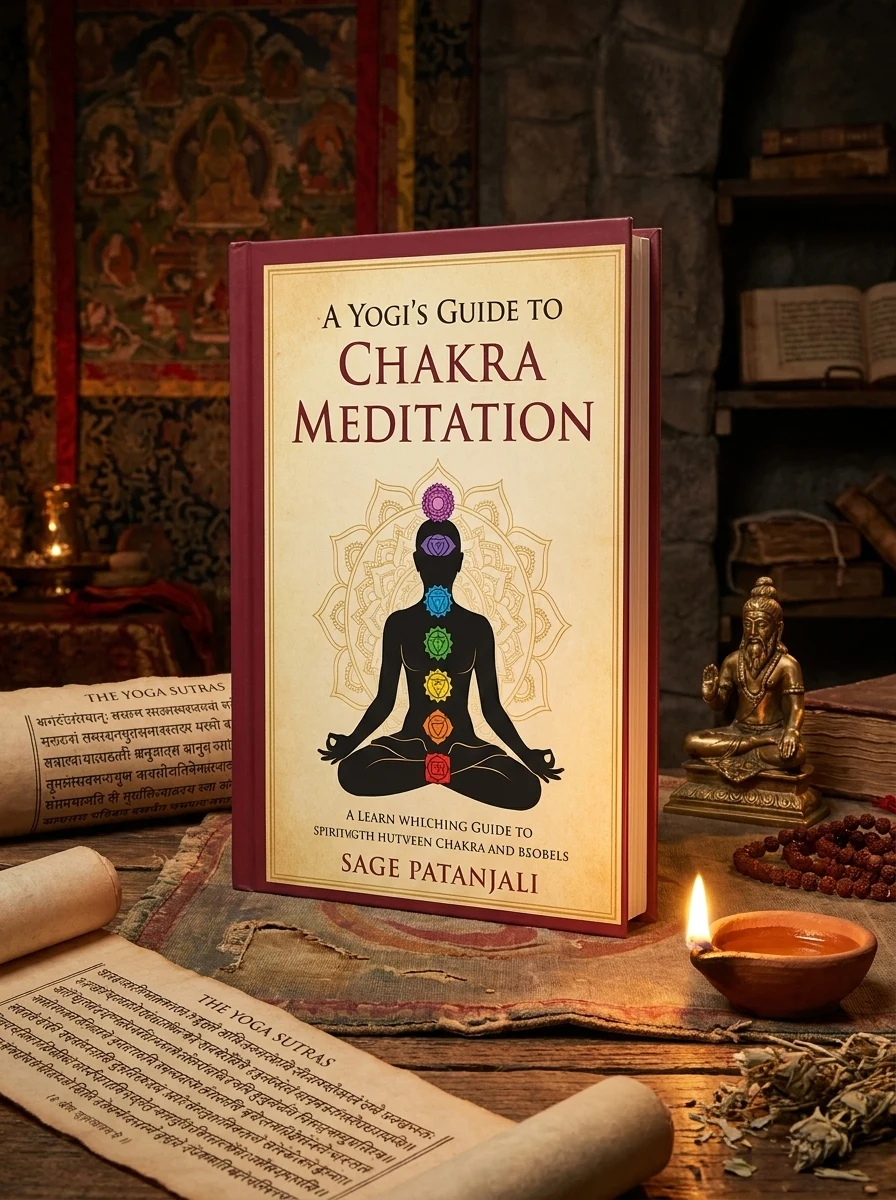
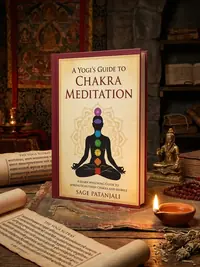
A Yogi's Guide to Chakra Meditation

Grilley, Paul
Reader rating
4.7
(1 reviews) 173 sold
Availability to be confirmed

This edition can be ordered. No arrival date is confirmed.

📚 ABOUT THE BOOK

Unveil the ancient power of chakras through Patanjali's timeless wisdom.

Many chakra guides dilute ancient teachings with contemporary psychological frameworks. This book, however, re-establishes chakra meditation within its authentic yogic lineage, tracing its roots directly to the profound wisdom of Patanjali's Yoga Sutras. Author Paul Grilley meticulously illuminates how these ancient principles offer a clear, practical path to understanding and engaging with your energetic centers. It serves as an accessible bridge for both seasoned yogis and newcomers, demystifying complex concepts often overlooked in modern interpretations, particularly around practices like pranayama.

Key themes
Authentic Yogic Lineage Patanjali's Sutras Illuminated Practical Chakra Engagement
Historical context

This work sits firmly within the authentic lineage of classical yoga, specifically drawing upon the foundational texts of Patanjali's Yoga Sutras rather than modern psychological adaptations.

Difficulty
●● Moderate
Fans will love it
Patanjali · Yoga Sutras · Traditional Ashtanga practitioners · Pranayama students
🌌 Mysticism
🏛 Paul Grilley 📅 2019 📖 104 pages 🌐 en 📐 Hardcover ISBN: 9781733583909
Fun fact
This guide excels by meticulously re-anchoring chakra meditation in the venerable lineage of Patanjali, offering a refreshing departure from diluted, modern interpretations. It brilliantly demystifies the Yoga Sutras, making complex concepts like pranayama accessible even to newcomers. While invaluable for serious yogis and purists, those expecting a synthesis with contemporary psychology might find its traditional focus too narrow. An essential addition for any practitioner seeking authentic energetic wisdom.

📝 Description: A Yogi's Guide to Chakra Meditation

There are many books on chakras, but their focus is usually an attempt to integrate the chakras with modern psychological theories. "A Yogi's Guide to Chakra Meditation" presents chakra meditation as a specific example of the ancient yogic tradition. The most respected text in the yogic tradition was written by the sage Patanjali and is entitled "The Yoga Sutras." Scholars debate its antiquity, but it was written approximately 2000 years ago. Because an overview of Patanjali's Yoga Sutras is standard fare in yoga teacher training programs, I have presented chakra meditation as a specific example of Patanjali's more general description of yoga. I hope that a description of chakra meditation through Patanjali's lens will make it easier for yoginis coming to this material for the first time. All yoga teacher training programs include an overview of Patanjali's Yoga Sutras, but these sutras are notoriously difficult to understand, and have from ancient times required a commentary to clarify them. For example: Patanjali's descriptions of pranayama are so general as to be useless without commentary. AYGtCM covers this essential topic in clear and complete detail. Patanajali is most famous for his model of spiritual progress called "The Eight Limbs of Yoga." The rest of the Yoga Sutras might remain obscure, but any yogini who has graduated a training program has had to memorize the eight limbs of yoga. AYGtCM brings the eight limbs of yoga to life by illustrating their manifestation in chakra meditation. Many of Patanjali's sutras are referenced throughout the text. In this way, the reader gains insight into Patanjali's entire system of thought, including theories of creation, karma, reincarnation, psychology, and the physical, astral, and causal bodies. The first of the book's four sections describes chakras: their location and function. It elaborates the ideas of Shiva, Shakti, and prana. The second section translates these terms into Patanjali's yogic terms and expands them. The third section outlines in detail Patanjali's eight limbs of yoga as they occur in chakra meditation. The fourth and final section describes meditation itself, outlining specific routines of practice, and describing what a yogini will experience.

💎 Expert review

💎
Esoterica Books editorial team
Occult literature desk
Grilley’s text serves as a vital corrective to the modern trend of psychologizing ancient yogic teachings, re-establishing chakra meditation within its authentic lineage via Patanjali’s Yoga Sutras. The author meticulously illuminates how these principles offer a clear, practical path for both seasoned yogis and newcomers, effectively demystifying complex concepts often overlooked in contemporary interpretations. While the focus on traditional rigor is commendable, this book may not suit readers seeking purely therapeutic or secular mindfulness applications devoid of spiritual context. It demands an appreciation for classical theory over quick-fix self-help strategies, making it less accessible to those preferring modern psychological frameworks over historical yogic authenticity.
✓ EDITOR'S REVIEW

📖 Why choose it

📖

Why this book is worth reading

Readers seeking a return to the roots of yogic philosophy will find immense value in this guide. It is ideal for those who feel that contemporary chakra literature has become too diluted by psychological frameworks, losing its spiritual potency. Whether you are a seasoned practitioner or a curious newcomer, Paul Grilley provides a clear, accessible bridge to understanding your energetic centers through the lens of ancient wisdom. This book is particularly beneficial for anyone looking to demystify complex concepts like pranayama and engage with chakra meditation in a way that honors its traditional context. It offers a practical path for those ready to deepen their practice beyond surface-level interpretations.

⭐ Reader reviews

The starting rating comes from the team Esoterica Books —
⭐ Esoterica editorial review Editorial rating 4.7/5
★★★★
If you seek an authentic, deeply traditional understanding of chakra meditation, unburdened by modern appropriations, this guide is for you. It's especially valuable for yoga practitioners, students of Patanjali, or anyone desiring a clear, foundational approach to energetic awareness.

Reader rating

4.7
Based on 1 reviews
5
0
4
1
3
0
2
0
1
0
E
Esoterica Books editorial team

Grilley’s text serves as a vital corrective to the modern trend of psychologizing ancient yogic teachings, re-establishing chakra meditation within its authentic lineage via Patanjali’s Yoga Sutras. The author meticulously illuminates how these principles offer a clear, practical path for both seasoned yogis and newcomers, effectively demystifying complex concepts often overlooked in contemporary interpretations. While the focus on traditional rigor is commendable, this book may not suit readers seeking purely therapeutic or secular mindfulness applications devoid of spiritual context. It demands an appreciation for classical theory over quick-fix self-help strategies, making it less accessible to those preferring modern psychological frameworks over historical yogic authenticity.

❓ Frequently asked questions

Most chakra books blend concepts with contemporary psychology. This one uniquely grounds chakra meditation in the ancient, authentic yogic tradition, specifically through the lens of Patanjali's timeless Yoga Sutras.
Absolutely. The author specifically designed this guide to clarify the often-complex Sutras, presenting chakra meditation as an accessible example to help newcomers grasp these profound teachings.

📖 Who should read this

If you seek an authentic, deeply traditional understanding of chakra meditation, unburdened by modern appropriations, this guide is for you. It's especially valuable for yoga practitioners, students of Patanjali, or anyone desiring a clear, foundational approach to energetic awareness.

🎯 Key themes and symbolism

Authentic Yogic Lineage

This guide firmly grounds chakra practice in the ancient currents of yogic thought, specifically drawing from Patanjali's foundational Yoga Sutras. It moves beyond common contemporary interpretations to present chakra meditation as an integral part of a time-honored spiritual discipline, offering a pure and undiluted perspective on energetic cultivation.

Patanjali's Sutras Illuminated

Recognizing the inherent complexity of Patanjali's original texts, the author provides invaluable clarification. This book acts as an essential commentary, breaking down the often-cryptic aphorisms, particularly those related to subtle energy work and breath control (pranayama), making them comprehensible and applicable for the modern practitioner.

Practical Chakra Engagement

Unlike abstract theoretical discussions, this book offers concrete methods for engaging with the chakra system. It frames chakra meditation as a direct, tangible application of Patanjali's broader yogic framework, guiding readers through practices that are rooted in tradition and designed for direct experiential understanding of one's energetic anatomy.

💬 Quotes from the book

“Our exploration of chakras strips away modern psychological overlays, returning to the unadulterated wisdom of the ancient yogic masters, just as Patanjali intended.”

“Where Patanjali's descriptions of pranayama often leave us wanting, this guide offers the practical clarity essential for applying these profound breath techniques to chakra work.”

📜 Historical context

This work directly connects modern chakra exploration to the venerable lineage of Patanjali's Yoga Sutras, a foundational text estimated to be around two millennia old. It positions chakra meditation not as a standalone concept but as a specific, integral practice within Patanjali's broader, profound system of yoga, offering a rare glimpse into its original context and purpose.

📚 Glossary

Chakra
Patanjali
Yoga Sutras

📔 Questions to reflect on

  1. How does grounding your understanding of chakras in ancient yogic tradition, rather than modern psychology, shift your personal practice or perspective?
  2. Consider a specific Patanjali sutra you've found challenging. How might the principles discussed in this book help illuminate its connection to energetic body work?
  3. Reflect on your current meditation or breathwork practices. In what ways could adopting a more traditional, Patanjali-aligned approach deepen your experience of your chakras?

You might also like

See more →