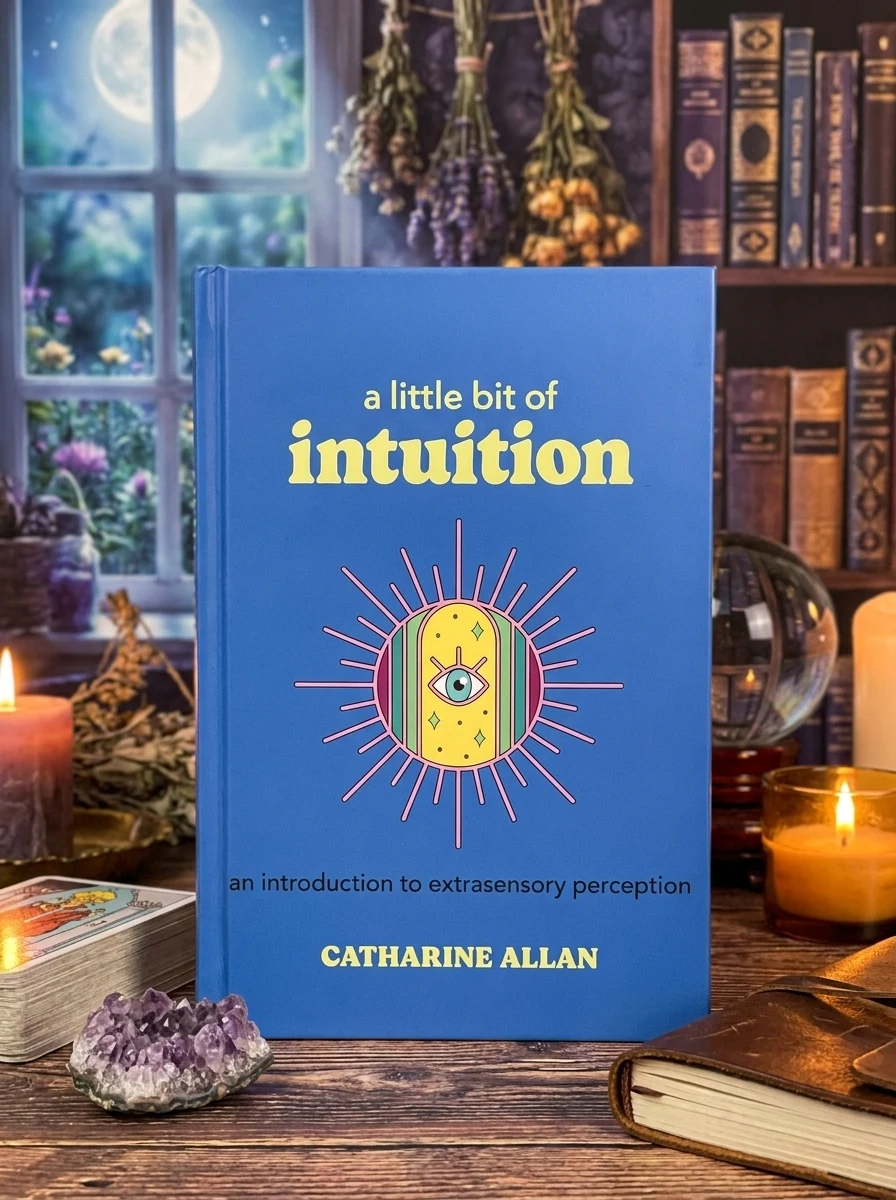
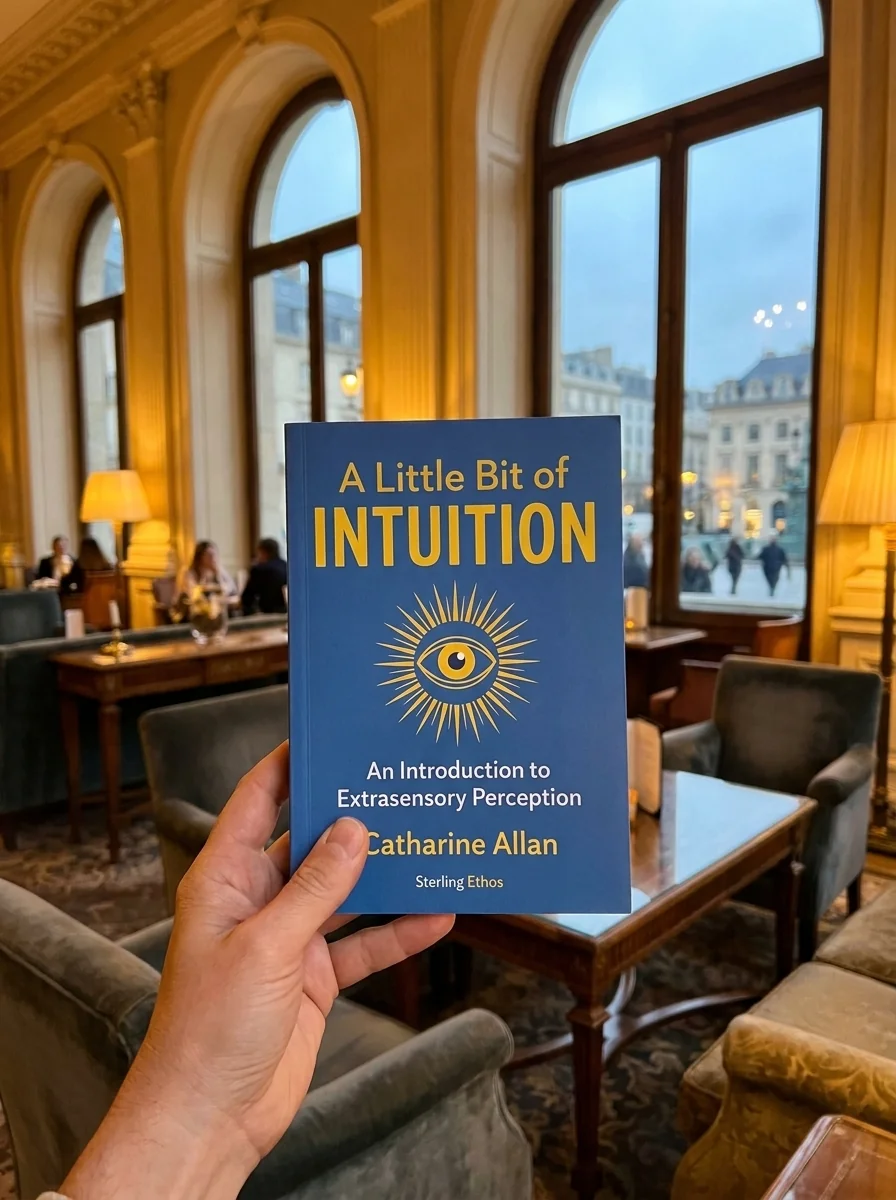
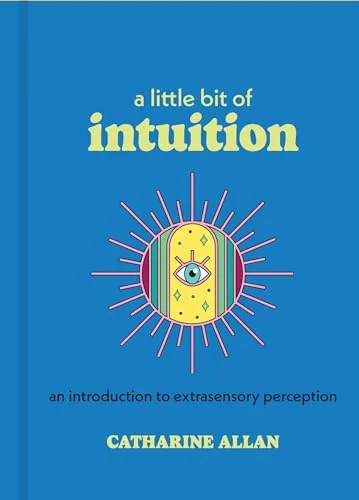
A Little Bit of Intuition: An Introduction to Extrasensory Perception (Reissue)
✍️ Allan, CatharineThis book serves as a gentle yet insightful primer for those ready to awaken their innate intuitive capacities. Catharine Allan, drawing from her extensive experience as a spiritual life coach, illuminates how to consciously cultivate and refine the "gut feelings" we often overlook. Through practical guidance and relatable, real-world examples, readers will learn to recognize the subtle whispers of their inner wisdom, trust these insights, and integrate them into daily decision-making. The aim is to foster a more aligned existence, unlocking a sense of natural flow and deeper understanding in life.


📝 Description: A Little Bit of Intuition: An Introduction to Extrasensory Perception (Reissue)
💎 Expert review
📖 Why choose it
Why this book is worth reading
This book is ideal for seekers who feel disconnected from their inner voice or struggle with decision-making paralysis in daily life. If you have ever dismissed a 'gut feeling' only to regret it later, this guide offers a compassionate framework to retrain that instinct. It suits individuals interested in spiritual life coaching who want practical, non-dogmatic tools to align their actions with their deeper wisdom. By focusing on relatable examples and gentle cultivation rather than complex theory, it empowers readers to trust their innate intuition. It is perfect for those seeking a natural flow in existence and wish to unlock a deeper understanding of their own subconscious guidance without needing extensive prior knowledge of metaphysical systems.
⭐ Reader reviews
Reader rating
Allan provides a soothing entry point into extrasensory perception, focusing heavily on practical application over academic rigor. The tone is warm and accessible, making abstract concepts like intuition feel tangible and manageable. However, readers seeking rigorous psychic training or detailed historical occult context will likely find this too superficial. It does not suit skeptics expecting empirical proof or advanced practitioners looking for complex ritualistic frameworks. This is a gentle primer, not a comprehensive manual. Those who prefer hard sciences or dense philosophical treatises may find the focus on 'alignment' and 'flow' overly simplistic. It works best as a soft introduction for beginners rather than a definitive resource for serious students of the esoteric arts.
❓ Frequently asked questions
📖 Who should read this
If you've ever felt a "gut feeling" you couldn't explain, or wished to tap into deeper knowing, this book is for you. It's ideal for curious beginners eager to explore their latent psychic potential and integrate a more intuitive approach into their daily lives.
🎯 Key themes and symbolism
Innate Intuitive Capacity
The book posits that intuition isn't a rare gift but a universal human faculty, present in everyone from birth. It emphasizes that while often dormant or unrecognized, this intrinsic ability can be consciously honed and strengthened, much like a physical muscle, through deliberate practice and mindful attention to subtle inner cues.
Practical Intuition Development
Allan provides actionable strategies for discerning the authentic voice of intuition from mere thought or emotion. Readers are guided through exercises and perspectives designed to enhance their sensitivity to these inner signals, encouraging a proactive approach to developing a more profound connection with their subconscious insights and extrasensory perceptions.
Harmonizing with Inner Wisdom
Beyond simply recognizing intuition, the text explores the transformative impact of living in alignment with one's inner guidance. It illustrates how embracing and acting upon intuitive nudges can lead to greater personal flow, informed decisions, and a deeper sense of connection to the world, manifesting a more magical and purposeful existence.
📜 Historical context
📚 Glossary
- Intuition
- Extrasensory Perception (ESP)
- Spiritual Life Coach
📔 Questions to reflect on
- Recall a time you had a strong "gut feeling" you either followed or ignored. What was the outcome in both scenarios?
- How do you currently differentiate between an intuitive nudge and an anxious thought or desire? What practices might help clarify this distinction?
- If you were to fully trust your intuition for one week, what is one significant decision you might approach differently?