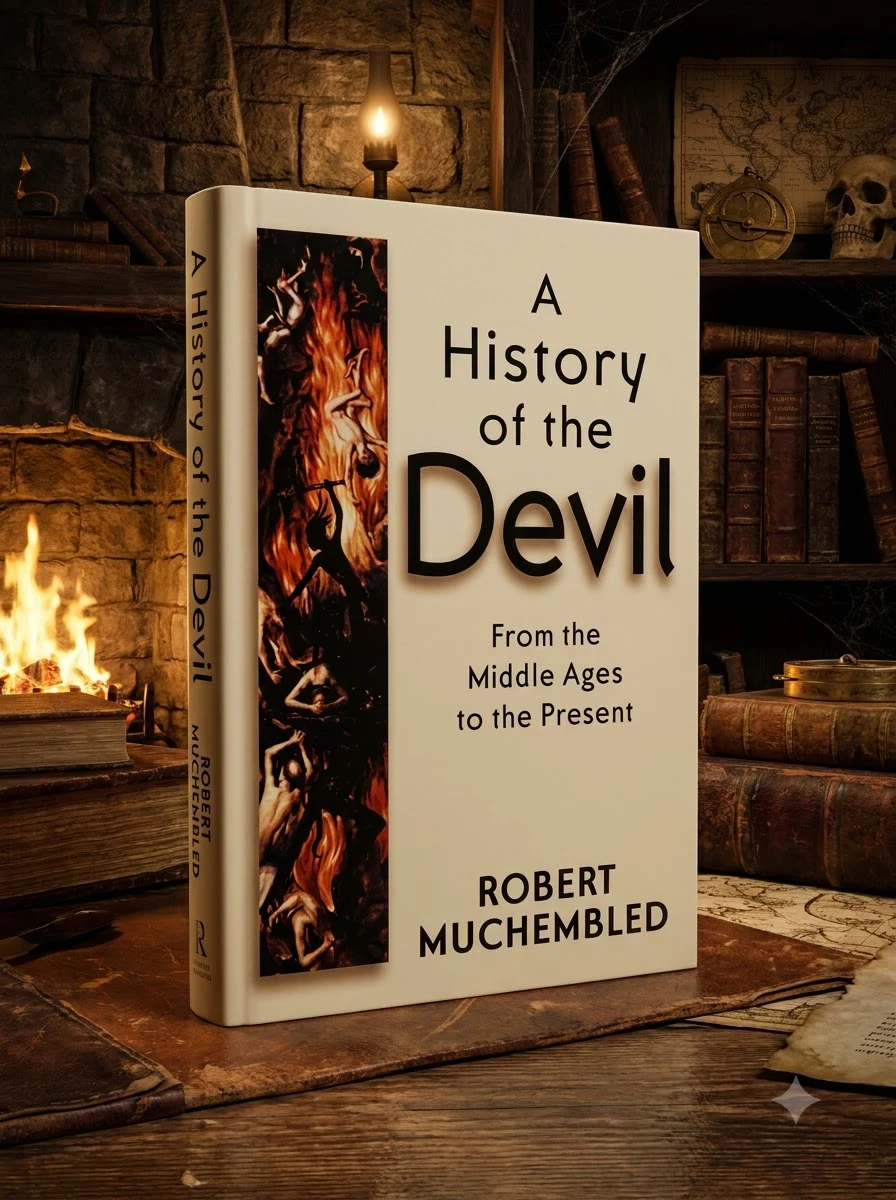

A History of the Devil: From the Middle Ages to the Present
Muchembled, Robert

Stock reported in the catalog; fulfillment is confirmed with your request.
Unmask the infernal, tracing the Devil's evolving face across a millennium of Western thought.
Step into a meticulously researched exploration of how the Devil, as a concept and a figure, has transformed throughout Western history. From medieval folklore to modern interpretations, Robert Muchembled uncovers the dynamic cultural, social, and theological forces that continuously reshaped our understanding of evil itself. This insightful volume delves into the interplay between religious dogma, societal anxieties, and the enduring human need to personify malevolence, providing a comprehensive journey through the shifting perceptions of the ultimate adversary in the collective consciousness.
This volume anchors itself within the rich tradition of esoteric history and Western theological anthropology, bridging medieval folklore with modern philosophical interpretations of evil. It serves as a scholarly artifact for those interested in the cultural evolution of demonic archetypes across centuries.


📝 Description: A History of the Devil: From the Middle Ages to the Present
💎 Expert review
📖 Why choose it
Why this book is worth reading
Readers fascinated by the intersection of theology, sociology, and history will find profound value in this meticulous exploration. Muchembled offers a unique lens through which to view how societal anxieties and religious dogma have constantly reshaped the figure of the Devil. It is essential for scholars and enthusiasts who wish to understand not just the mythos, but the human need to personify malevolence. By tracing these shifts from the Middle Ages to the present, the book provides a comprehensive journey that illuminates our collective consciousness and the enduring nature of evil in Western thought.
⭐ Reader reviews
Reader rating
Muchembled’s work is a dense, academic tour de force that demands patience from its audience. While it excels in providing a rigorous historical framework for the concept of the Devil, it is not intended for casual readers seeking supernatural thrills or simple moral binaries. Those looking for quick answers or sensationalist accounts of demonic lore will likely find this text dry and overly theoretical. It suits those willing to engage with complex cultural forces rather than those expecting a traditional narrative of good versus evil. The scholarly tone may alienate general occult hobbyists preferring practical grimoires over historical analysis.
❓ Frequently asked questions
📖 Who should read this
If you're fascinated by the intersection of history, religion, and human psychology, this book is for you. Dive deep into the cultural construction of evil, perfect for scholars, students, and curious readers exploring the profound impact of diabolical imagery on Western civilization.
🎯 Key themes and symbolism
Evolution of Evil
This work meticulously charts the metamorphosis of the Devil from a relatively minor biblical figure to the formidable embodiment of absolute evil in Western thought. It examines how theological shifts, societal upheavals, and popular imagination each contributed to an ever-changing infernal identity, reflecting humanity's evolving understanding of sin and temptation through the ages.
Cultural & Social Impact
Muchembled reveals how the Devil served as a potent cultural instrument, influencing art, literature, law, and social control. The book explores how fears of demonic possession or pacts shaped community behavior, fueled witch hunts, and reinforced moral boundaries, demonstrating the profound societal resonance of this figure far beyond purely religious doctrine.
Sociology of Belief
Through a sociological lens, the author unpacks how belief in the Devil functioned within different historical contexts. It analyzes the role of the infernal in maintaining social order, defining heresy, and projecting communal anxieties onto an external scapegoat, offering a compelling perspective on the human construction and utility of supernatural adversaries.
💬 Quotes from the book
“The Devil is not a static icon of evil, but a mutable figure whose form and function are continuously re-negotiated by the fears and anxieties of each successive generation.”
“Beyond theological dogma, the Adversary frequently served as a powerful cultural tool, shaping social order and defining the boundaries of acceptable thought.”
📜 Historical context
📚 Glossary
- Demonology
- Diabolism
- Anathema
📔 Questions to reflect on
- Consider how contemporary society might be 'reinventing' or reinterpreting figures of ultimate evil. What modern anxieties or moral dilemmas do these new portrayals reflect?
- Reflect on a historical period (e.g., the Renaissance, the Enlightenment) and hypothesize how the prevailing scientific, philosophical, or religious currents of that era might have shaped or reshaped the popular image of the Devil.
- How does the personification of evil, such as the Devil, influence our personal understanding of morality and responsibility, compared to viewing evil as an abstract force or human failing?
✍️ More books by this author Muchembled, Robert
All books by this author →
🏛 Books from this publisher Polity Press
All books from this publisher →You might also like
See more →