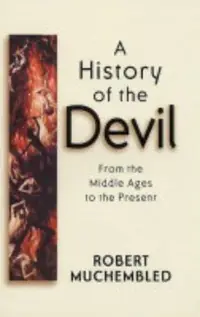
A History of the Devil: A Philosophical Introduction
Muchembled, RobertStock reported in the catalog; fulfillment is confirmed with your request.
Unmask the Devil's evolving identity across centuries of Western consciousness.
French historian Robert Muchembled invites readers on a profound intellectual journey, tracing the multifaceted transformations of the Devil's perception throughout Western civilization. This engaging work delves into how this formidable figure has been conceived, feared, and understood across various eras and cultures. It's not merely a chronicle of demonology but a philosophical exploration of humanity's changing relationship with evil, societal anxieties, and the very concept of an adversary. Muchembled meticulously unpacks the historical, religious, and sociological underpinnings that have shaped our enduring image of the infernal.
This work sits firmly within the tradition of intellectual history and sociological philosophy, examining how Western consciousness has constructed and reconstructed the figure of evil over time.


📝 Description: A History of the Devil: A Philosophical Introduction
💎 Expert review
📖 Why choose it
Why this book is worth reading
Readers fascinated by the intersection of theology, sociology, and cultural history will find this book particularly rewarding. It offers a profound intellectual journey for those interested in how societal anxieties shape our understanding of morality and adversarial forces. Muchembled’s meticulous unpacking of historical underpinnings provides a unique lens through which to view the enduring image of the infernal. If you are seeking more than just a chronicle of demonology and desire to explore humanity's changing relationship with evil, this philosophical introduction serves as an essential guide to the multifaceted transformations of the Devil across Western civilization.
⭐ Reader reviews
Reader rating
Muchembled delivers a rigorous philosophical exploration rather than a simple mythological catalogue. The text is dense with sociological analysis, making it unsuitable for casual readers seeking entertaining ghost stories or easy-to-digest fantasy lore. It demands patience from those unaccustomed to academic historical methodology. However, for scholars and serious enthusiasts of esoteric thought, the insight into how the Devil's identity evolved within Western consciousness is invaluable. It is a demanding read that rewards careful attention with deep intellectual clarity regarding the concept of the adversary.
❓ Frequently asked questions
📖 Who should read this
If you are drawn to the intricate interplay of history, religion, and philosophical inquiry into the nature of evil, this scholarly yet accessible work is essential. Dive deep into the intellectual lineage of the infernal, exploring its profound impact on Western thought.
🎯 Key themes and symbolism
Cultural Evolution of Evil
This book masterfully illustrates how the Devil's image is not static but a dynamic reflection of changing cultural values, fears, and theological understandings. It examines how each historical period re-sculpted the infernal, demonstrating its adaptability as a symbol of opposition and corruption within Western thought.
Societal Mirroring of Dread
Muchembled reveals the Devil as a potent mirror for human society, embodying its deepest anxieties and moral conflicts. By analyzing how different societies projected their fears onto this figure, the work offers insights into humanity's self-perception and the mechanisms through which communities define good versus evil.
Philosophical Underpinnings of Demonology
Beyond mere historical accounts, the book delves into the philosophical currents and intellectual debates that have underpinned the concept of the Devil. It explores how theological doctrines, philosophical reasoning, and popular imagination intertwined to construct and continually redefine this central figure of Western eschatology.
💬 Quotes from the book
“The Devil is less an immutable entity than a malleable construct, perpetually re-sculpted by the anxieties and moral imperatives of each successive age.”
“To understand the infernal is to confront the shadows of human consciousness, for in every epoch, the adversary has embodied what society most fears or seeks to repudiate within itself.”
📜 Historical context
📚 Glossary
- Demonology
- Dualism
- Eschatology
📔 Questions to reflect on
- How has your personal understanding of evil been shaped by the cultural or religious narratives you've encountered?
- In what ways does the concept of an 'adversary' serve a societal purpose, historically or in contemporary times?
- Consider a specific historical period: how might the prevailing image of the Devil have reflected its unique challenges, beliefs, or political structures?
✍️ More books by this author Muchembled, Robert
All books by this author →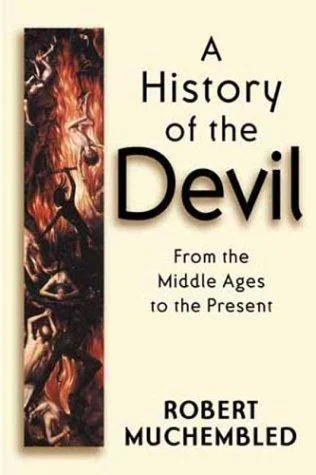
🏛 Books from this publisher Polity Press
All books from this publisher →You might also like
See more →

 91
91

 91
91