If you've spent any time in the esoteric section of a bookstore or scrolled through spiritual communities online, you've probably heard the terms 'Wicca' and 'witchcraft' used as if they mean the same thing. They don't. And this confusion matters—not because one is 'right' and the other 'wrong,' but because understanding the distinction shapes how you approach the practice itself.
The core issue: Wicca is a religion; witchcraft is a craft. Wicca is a structured, nature-based spiritual path with defined beliefs, deities, and ritual frameworks. Witchcraft, by contrast, is a set of techniques—spell work, herbalism, energy manipulation—that can be practiced by anyone, regardless of their religious beliefs. A Wiccan is always a practitioner of magic, but not every witch is Wiccan. A Christian, a Buddhist, or an atheist can practice witchcraft. Only someone who has adopted the Wiccan faith can claim to be Wiccan.
This distinction matters because it affects how you read, what you practice, and what community you seek. Let's use our catalog to map out the real differences, and help you find the books that match your actual path.
What Is Wicca? The Religious Foundation
Wicca emerged in the 1950s in Britain, though it draws on older pagan traditions and ceremonial magic. It's a modern religion centered on reverence for nature, the divine feminine and masculine (often called the Goddess and God), and the cycles of the seasons. Wiccans typically practice within a framework of ethics, ritual structure, and community—though solitary practice is equally valid.
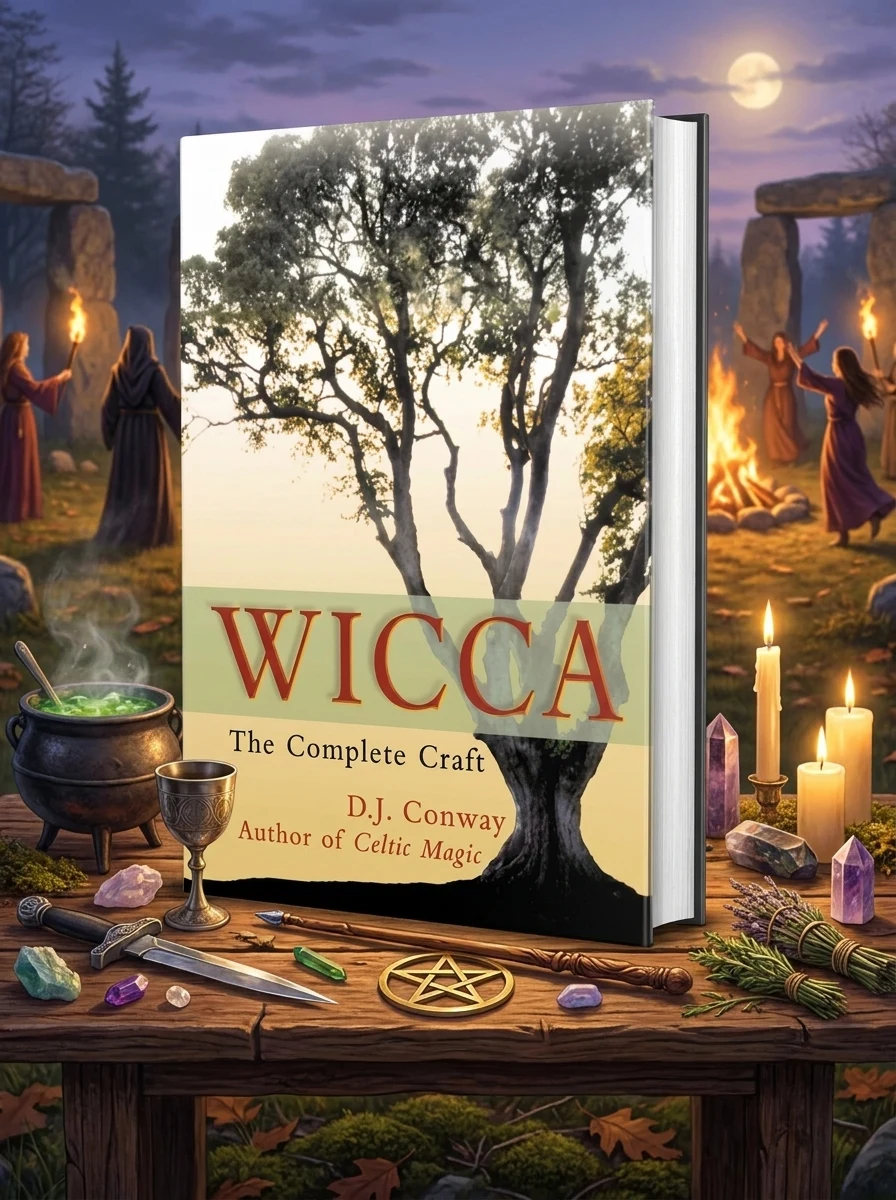
1. Wicca: The Complete Craft — D.J. Conway & Jeanne McLarney
Wicca: The Complete Craft is the book to start with if you want to understand Wicca as a religion first, and magic as a tool second. Conway and McLarney lay out the philosophical and spiritual foundations: who Wiccans are, what they believe, how they relate to deity and nature. This is essential reading if you're trying to figure out whether Wicca itself calls to you, or whether you're drawn to witchcraft as a practice. The book respects both paths but makes the distinction clear from the start.
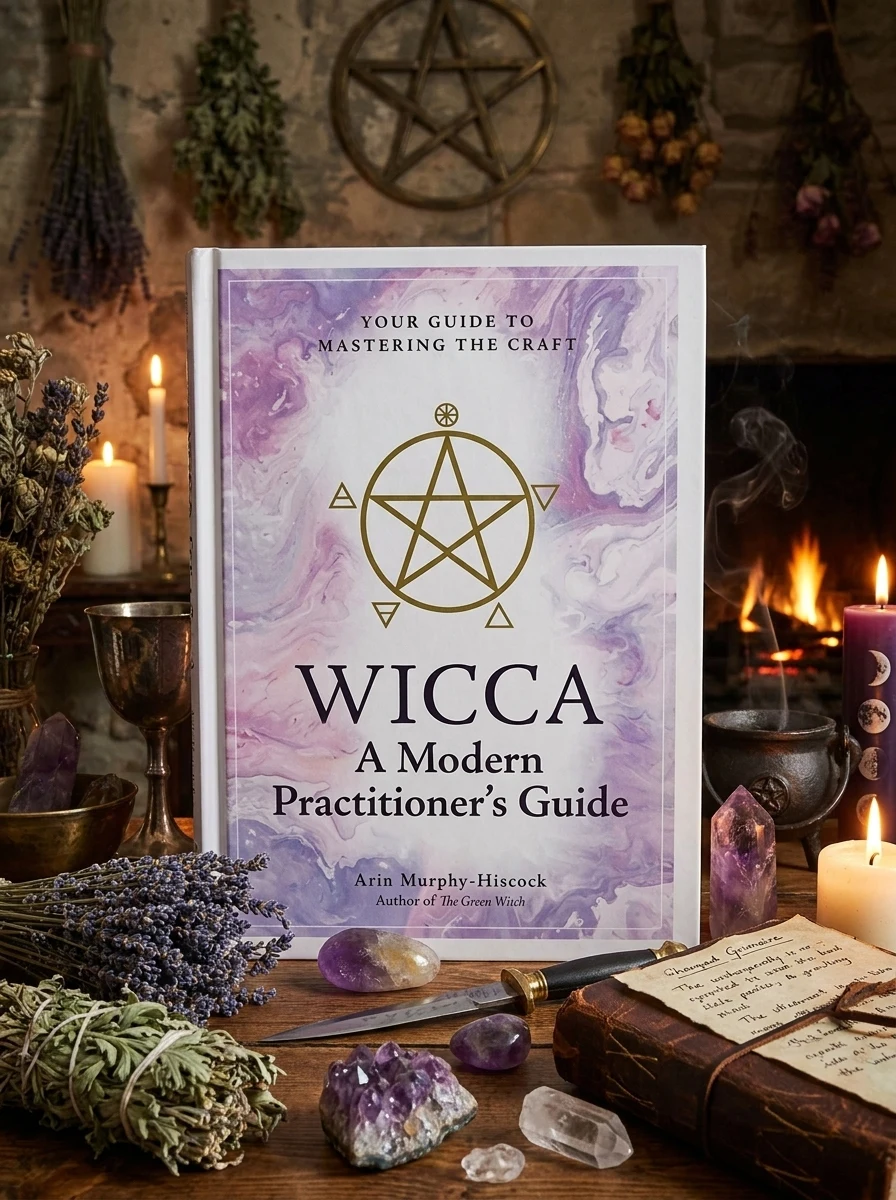
2. Wicca: A Modern Practitioner's Guide — Arin Murphy-Hiscock
Wicca: A Modern Practitioner's Guide is for someone who has already felt the pull of Wicca and wants to integrate its philosophy into daily life. Murphy-Hiscock moves beyond 'how to cast a circle' into the deeper work: how Wiccan values shape your choices, your relationships, your ethics. This is the book that separates Wicca-as-religion from Wicca-as-aesthetic.
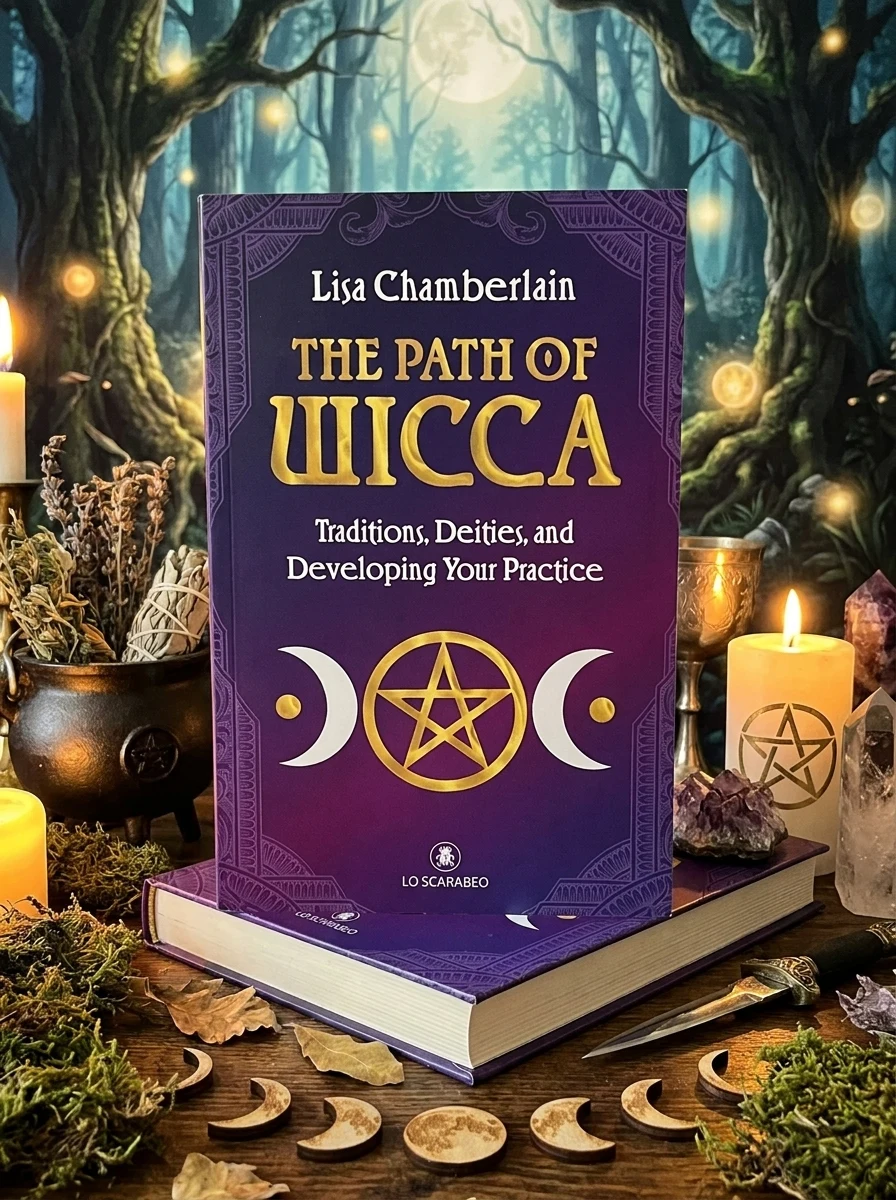
3. The Path of Wicca: Traditions, Deities, and Developing Your Practice — Lisa Chamberlain
The Path of Wicca is particularly useful if you want to understand the variety within Wicca itself. Wicca isn't monolithic. Chamberlain explores different traditions—Gardnerian, Alexandrian, eclectic—and shows how practitioners adapt the religion to their own lives and beliefs. This matters because it clarifies that Wicca is a living, evolving faith, not a rulebook.
What Is Witchcraft? The Practical Craft
Witchcraft is older than Wicca. It's the practice of magic—the deliberate use of intention, symbolism, natural materials, and energy to create change. Witchcraft has roots in folk magic, herbalism, cunning craft, and ceremonial traditions. A witch might be Wiccan, pagan, Christian, or nothing at all. What makes someone a witch is the practice itself, not the belief system.
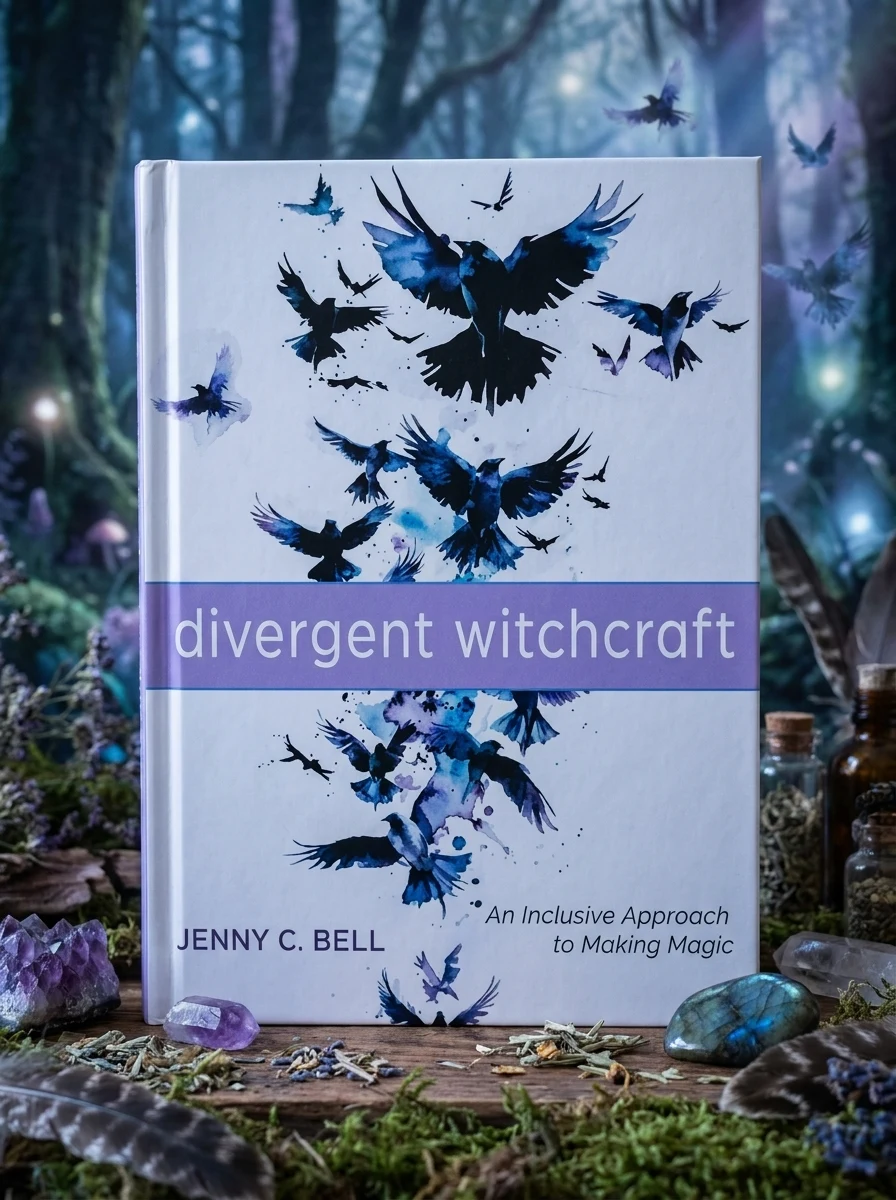
4. Divergent Witchcraft: An Inclusive Approach to Making Magic — Jenny C. Bell
Divergent Witchcraft is the clearest statement we have in our catalog that witchcraft is a practice, not a religion. Bell explicitly welcomes practitioners of all backgrounds and belief systems. If you're drawn to spell work, herbalism, and energy work but you're not interested in adopting a Wiccan spiritual framework, this book validates that path. It's witchcraft without the requirement of faith.
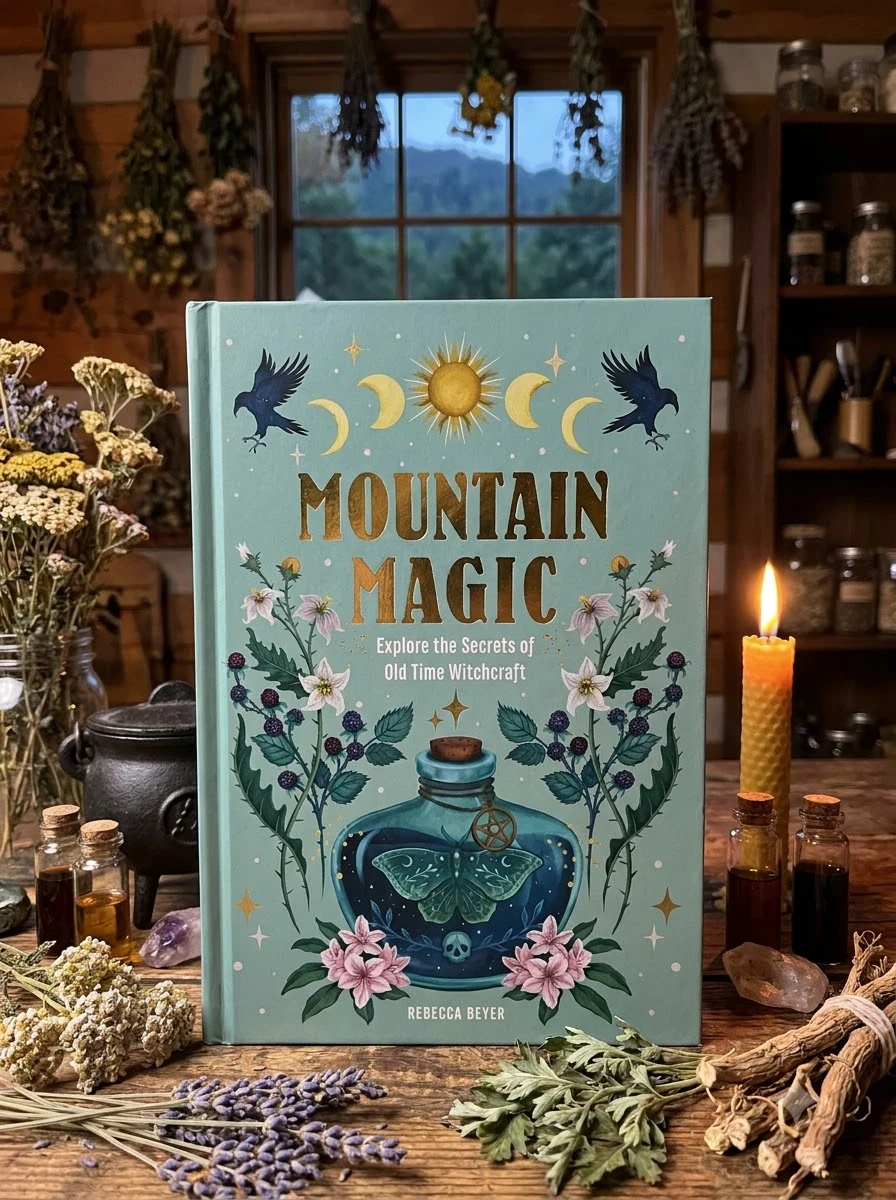
5. Mountain Magic: Explore the Secrets of Old Time Witchcraft — Rebecca Beyer
Mountain Magic grounds witchcraft in its folk roots. Beyer draws on Appalachian and other regional traditions of practical magic—the kind that existed long before Wicca was formalized. This book shows witchcraft as a craft of the land, passed down through families and communities, often without any formal spiritual doctrine. It's witchcraft as technique and tradition, not theology.
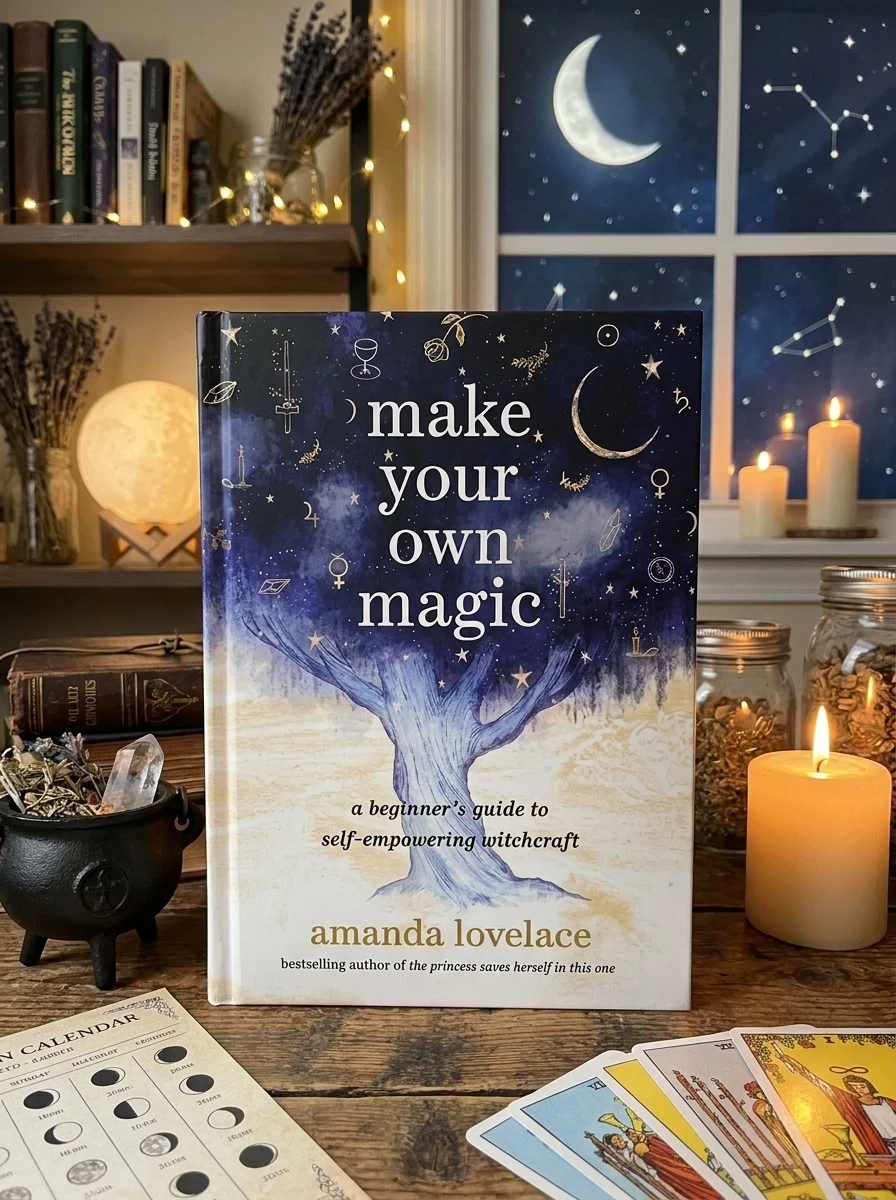
6. Make Your Own Magic: A Beginner's Guide to Self-Empowering Witchcraft — Amanda Lovelace
Make Your Own Magic emphasizes the autonomy of witchcraft. Lovelace encourages readers to build their own practice from the ground up, drawing on whatever resonates with them. This is witchcraft as personal craft—not bound by tradition, not requiring initiation or community, just the practitioner and their intention. It's a useful counterpoint to Wicca's more structured approach.
The Overlap: Where Wicca and Witchcraft Meet
Here's where it gets interesting: many Wiccans practice witchcraft, and many witches are drawn to Wiccan philosophy. The two aren't enemies; they're concentric circles. A Wiccan will use spells, work with herbs, and manipulate energy—all witchcraft. But a witch might never adopt the Wiccan faith, never cast a formal circle, never invoke deity in the Wiccan way.
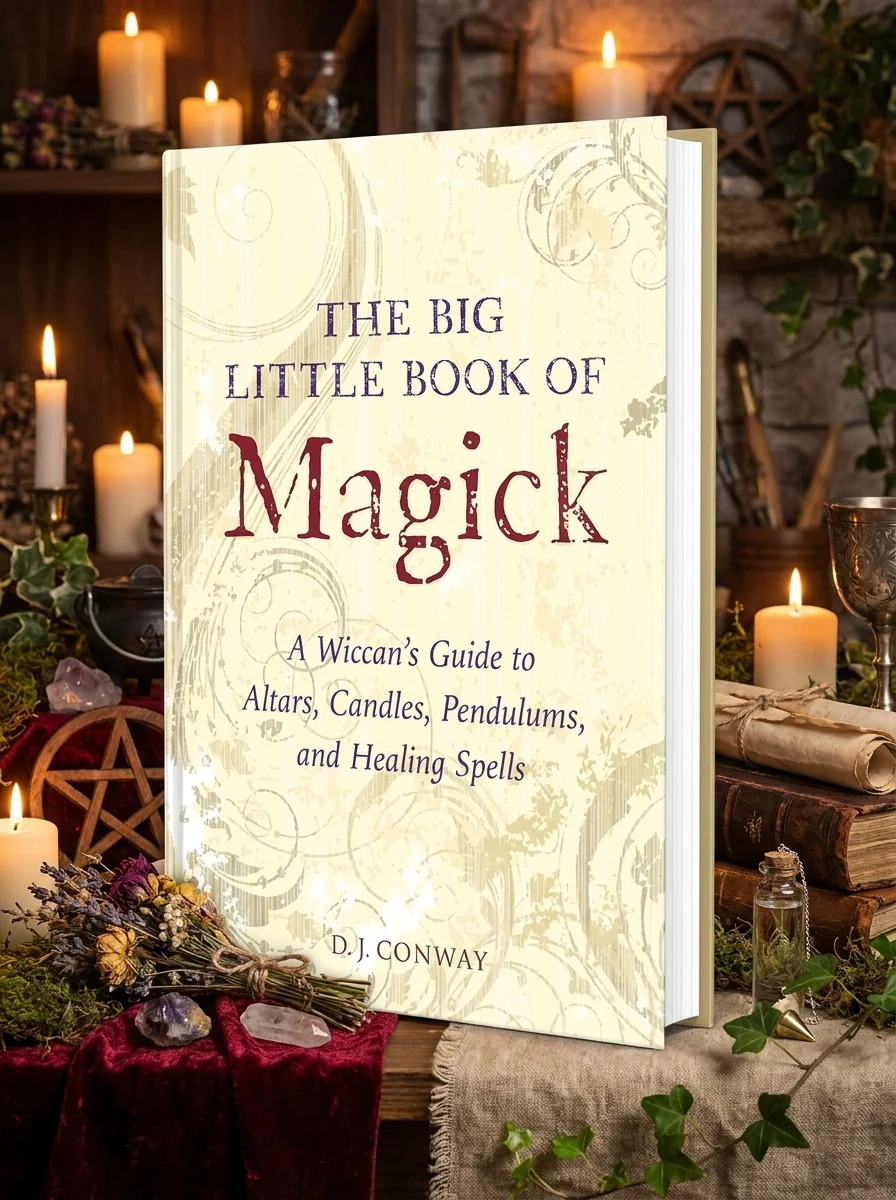
7. The Big Little Book of Magick: A Wiccan's Guide to Altars, Candles, Pendulums, and Healing Spells — D.J. Conway
The Big Little Book of Magick shows this overlap in action. It's written from a Wiccan perspective, but the techniques—candle work, pendulum use, spell construction—are witchcraft tools that any practitioner can use. This book is useful if you're trying to understand how Wiccan spirituality and witchcraft practice work together.
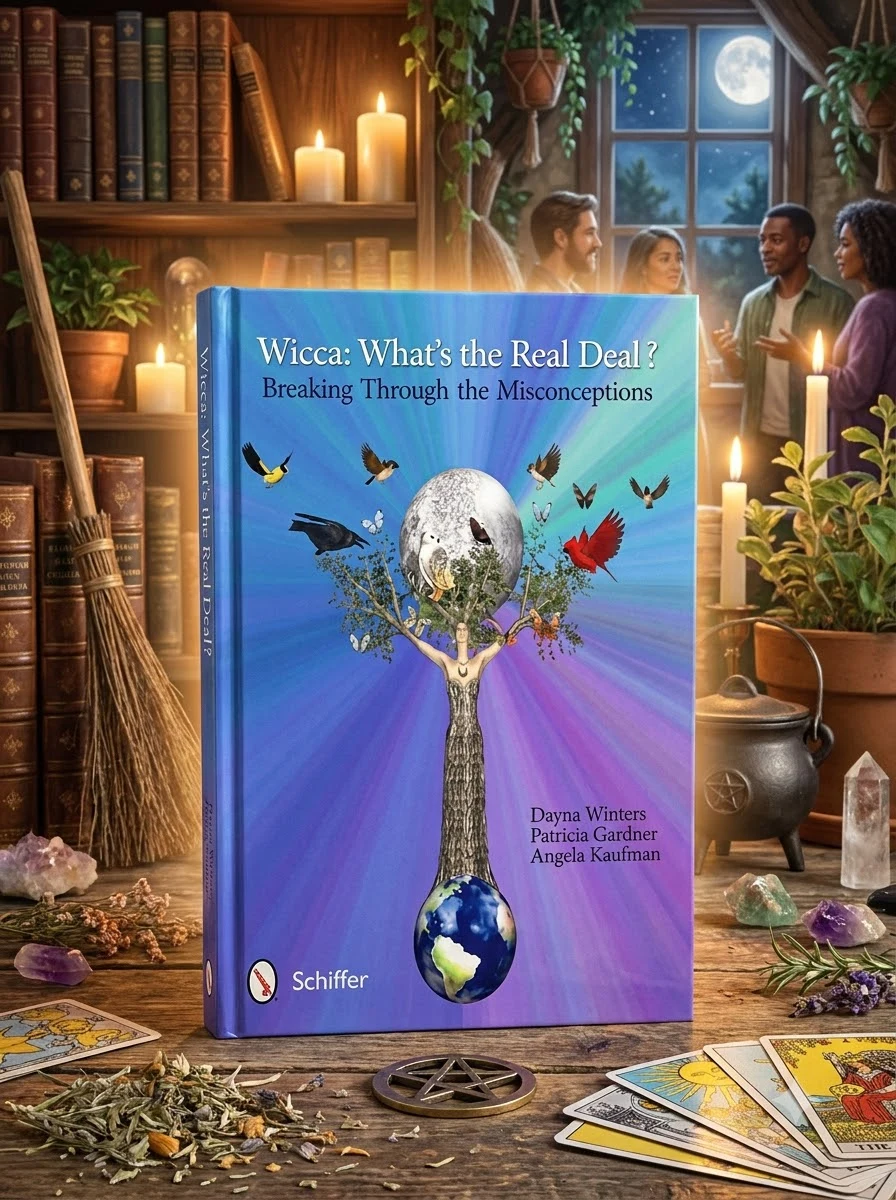
8. Wicca: What's the Real Deal?: Breaking Through the Misconceptions — Dayna Winters
Wicca: What's the Real Deal? is specifically designed to clear up confusion. Winters addresses common misconceptions head-on: that Wicca is witchcraft, that witches worship the devil, that you need to be initiated to practice. This book is invaluable if you're trying to separate fact from fiction, and it will help you understand why the distinction matters.
Choosing Your Path: A Practical Framework
So how do you know which path is yours? Ask yourself these questions:
- Are you drawn to a spiritual community and shared beliefs? If yes, Wicca may call to you. If you're more solitary and eclectic, witchcraft might be the better fit.
- Do you want to work with deity? Wicca centers on relationship with the divine. Witchcraft doesn't require it.
- Are you interested in structured ritual and seasonal cycles? Wicca has a clear framework. Witchcraft is more flexible.
- Do you want to practice magic without adopting a new religion? Witchcraft allows this. Wicca is a faith commitment.
Both paths are valid. Both require study, practice, and respect. The key is knowing which one you're actually pursuing, so you can read the right books, find the right community, and build a practice that's authentic to you.
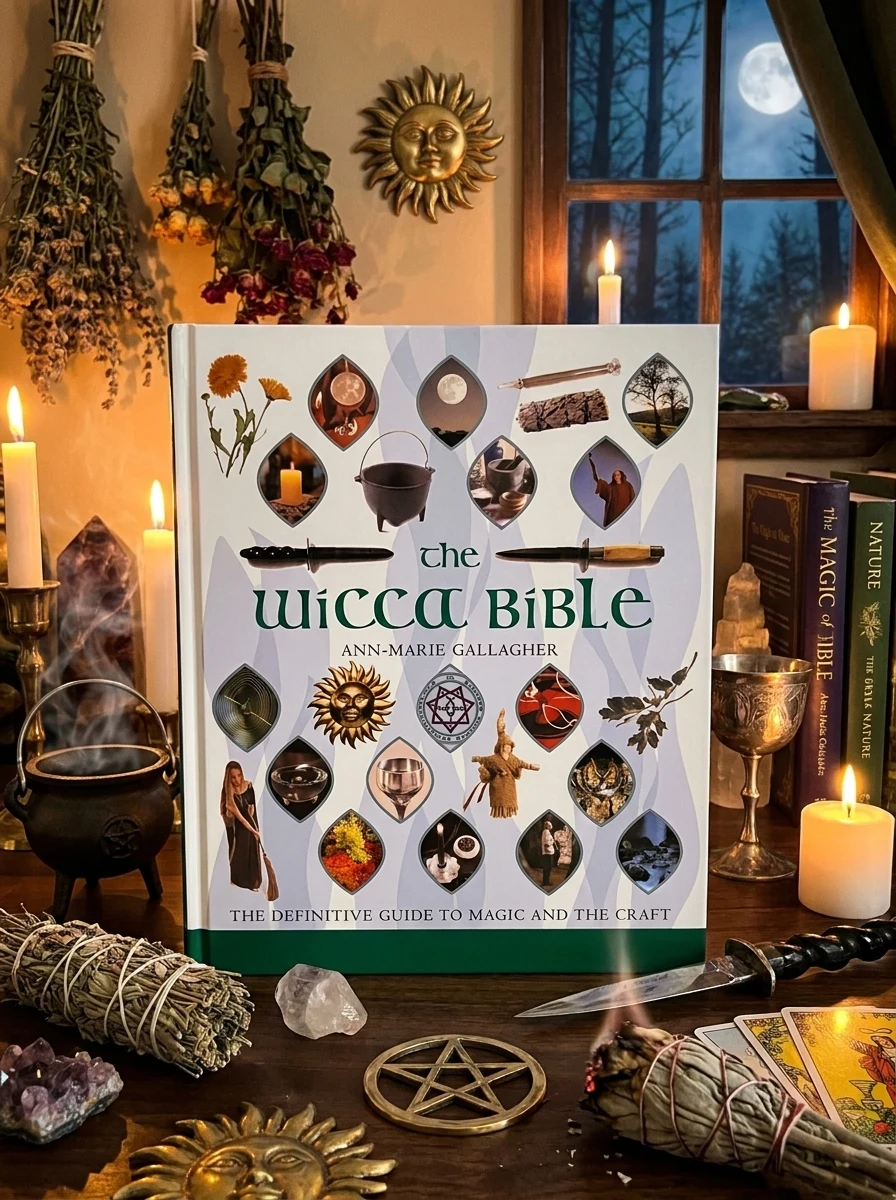
9. The Wicca Bible: The Definitive Guide to Magic and the Craft — Ann-Marie Gallagher
The Wicca Bible works as a reference once you've decided. It covers both the spiritual and practical dimensions—belief and technique—in one comprehensive volume. Keep it on your shelf as you develop your practice, whether you're Wiccan, witch, or both.
Start with the books that address your actual question. If you're trying to decide between Wicca and witchcraft, read Winters and Bell back-to-back. If you've already chosen Wicca, move to Conway or Murphy-Hiscock. If witchcraft is your calling, Beyer and Lovelace will show you the breadth of what's possible. The distinction matters—not to judge, but to help you find your true practice.