The Victorian era witnessed an explosion of spiritual hunger that reshaped Western esotericism. Millions gathered in darkened parlors to contact the dead, convinced that consciousness persisted beyond the grave and that intention could bridge the material and immaterial worlds. What few realize is that this 19th-century spiritualist movement didn't fade into historical curiosity—it transformed into the manifestation teachings that dominate contemporary spirituality.
The séance was, in essence, an act of focused will: a group of believers concentrating their collective attention to summon, communicate with, and sometimes materialize contact with non-physical entities. The medium served as a conduit, but the power came from the circle's unified intention. This is not so different from the visualization practices, affirmation rituals, and energy-work protocols taught in modern manifestation courses. Both assume that consciousness is creative, that belief shapes outcome, and that the immaterial realm responds to human attention.
Understanding this genealogy matters. It grounds contemporary manifestation practice in genuine esoteric tradition rather than self-help marketing. It also reveals the ethical and philosophical questions that Victorian spiritualists grappled with—questions we still face today about power, authenticity, and the nature of reality itself.
The Historical Record: Victorian Spiritualism as Foundation
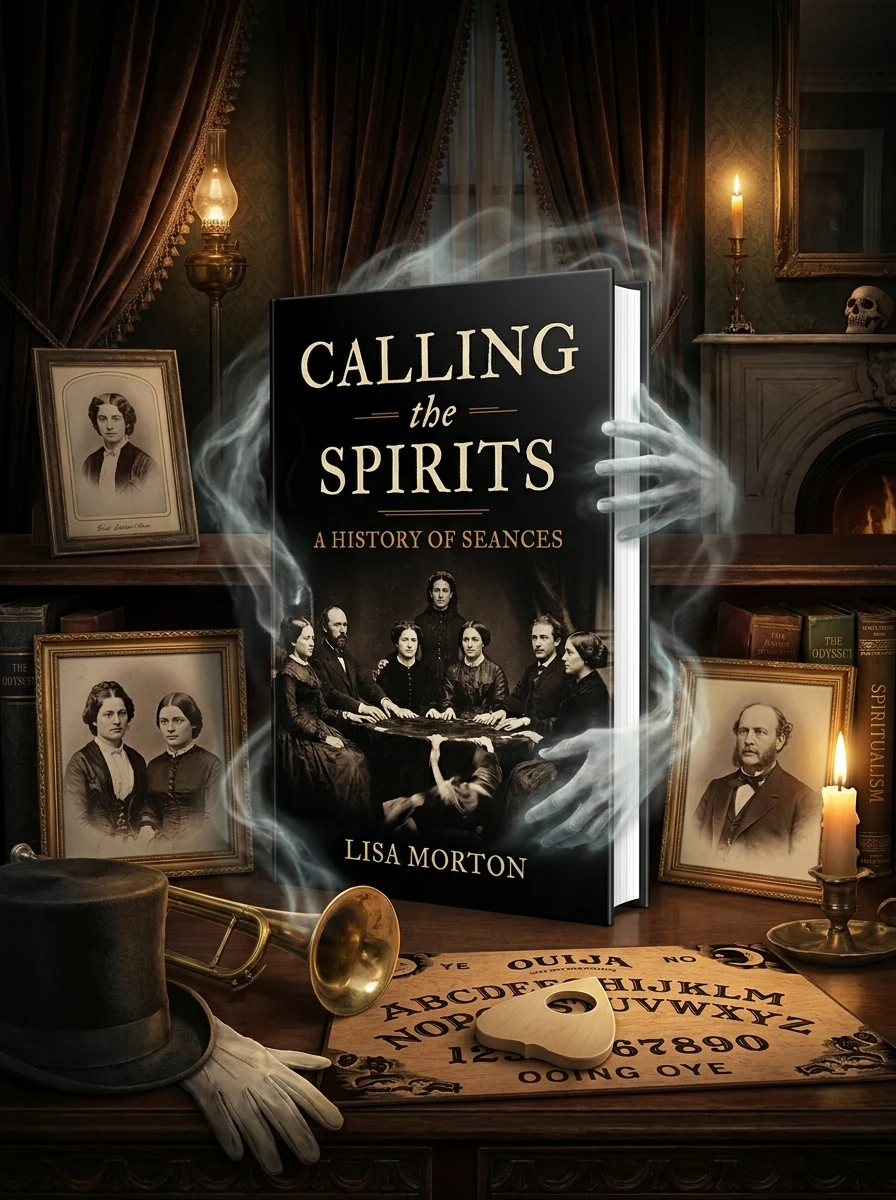
1. Calling the Spirits: A History of Séances — Lisa Morton
Calling the Spirits is the essential starting point. Morton traces spiritualism from its American origins in the 1840s through its peak in the Victorian era, examining how séances became a mass phenomenon that attracted intellectuals, scientists, and the bereaved alike. She explores the mechanics of séance practice—table-tipping, automatic writing, materialization—with scholarly precision but genuine curiosity about why millions believed. This book establishes the historical context without dismissing the practitioners as dupes, which is crucial for understanding how their convictions evolved into modern manifestation.
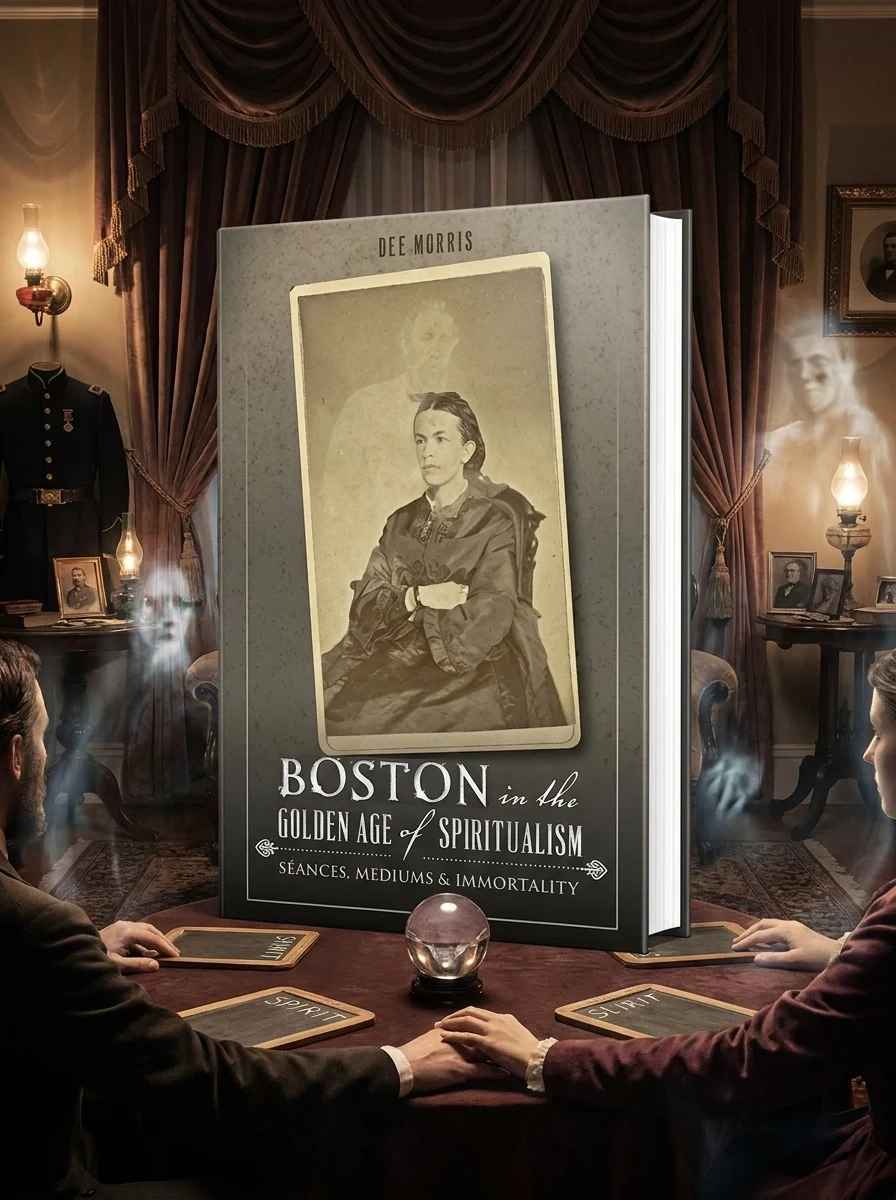
2. Boston in the Golden Age of Spiritualism: Séances, Mediums & Immortality — Dee Morris
Boston in the Golden Age of Spiritualism zooms into a specific cultural moment and place, showing how spiritualism became woven into American intellectual and social life. Morris documents the mediums, the believers, and the skeptics who shaped Boston's spiritual landscape. What emerges is a picture of spiritualism not as fringe delusion but as a serious engagement with consciousness, loss, and the possibility of continued existence. This regional focus reveals how manifestation thinking took root in American culture specifically—a lineage that would eventually produce the New Thought movement and, later, the law of attraction.
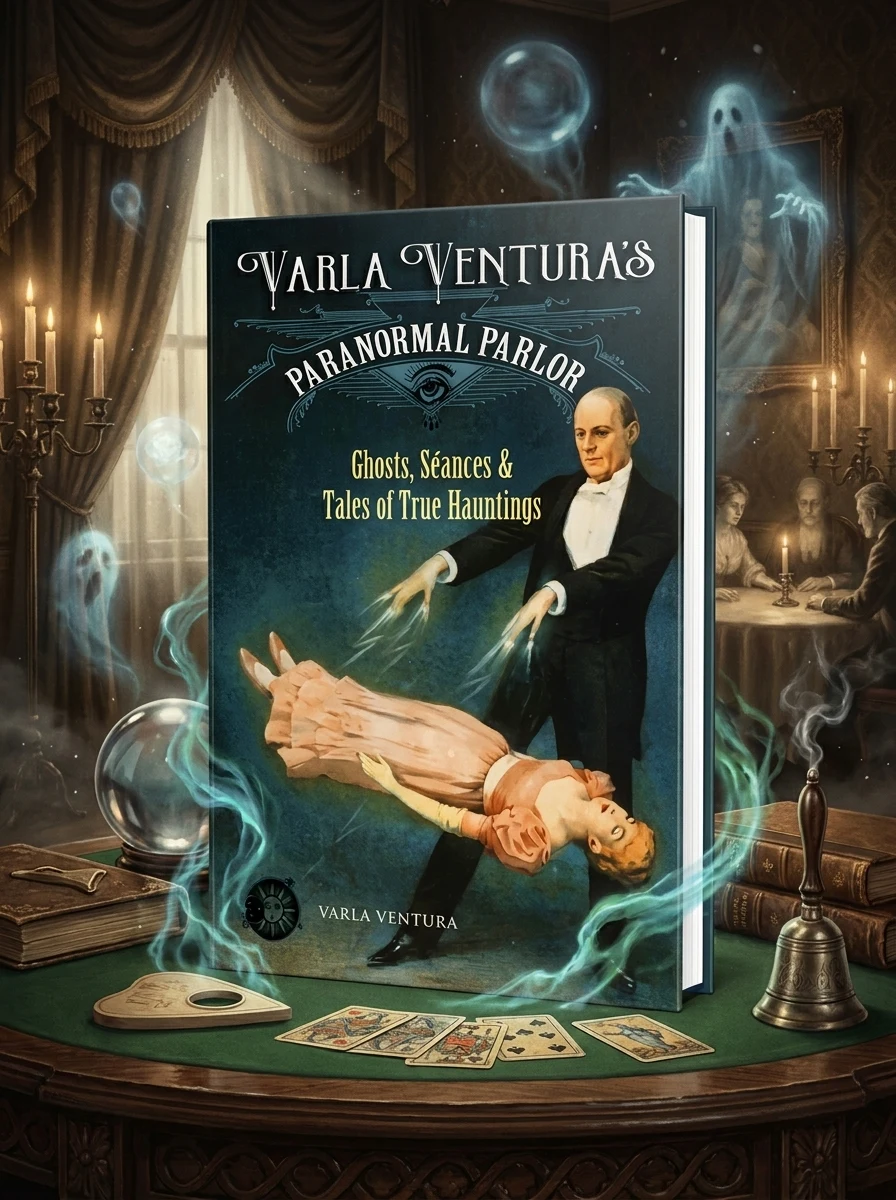
3. Varla Ventura's Paranormal Parlor: Ghosts, Séances, and Tales of True Hauntings — Varla A. Ventura
Varla Ventura's Paranormal Parlor takes a more narrative approach, blending ghost stories with séance accounts and cultural history. Ventura's accessible style makes the Victorian spiritualist world feel immediate and human. She captures both the genuine spiritual seeking and the theatrical performance that characterized séance culture—a duality that persists in modern manifestation circles, where sincere practice and marketable packaging often coexist.
The Philosophical Shift: From Spiritualism to Conscious Creation
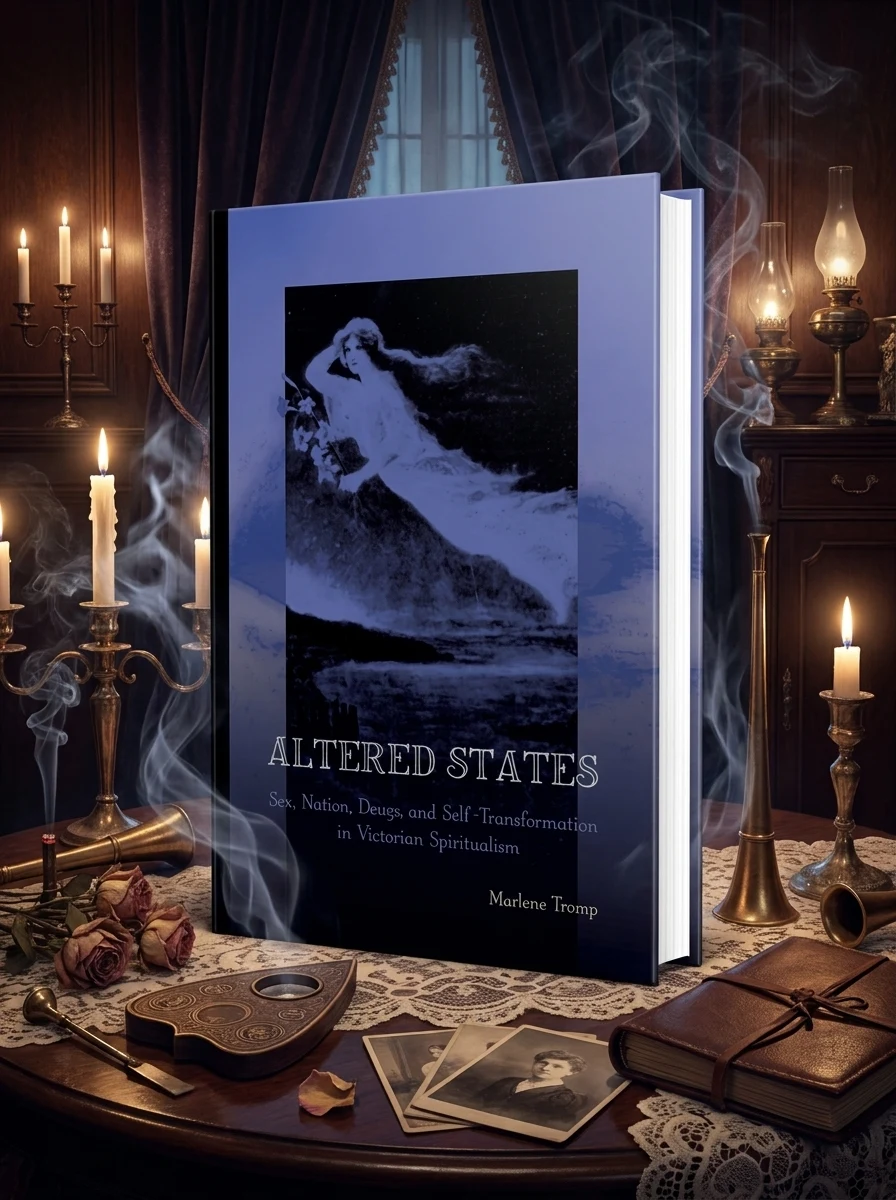
4. Altered States: Sex, Nation, Drugs, and Self-Transformation in Victorian Spiritualism — Marlene Tromp
Altered States is the intellectual bridge. Tromp argues that Victorian spiritualism wasn't merely about contacting the dead—it was a systematic exploration of consciousness itself, of how human awareness could be expanded, altered, and directed toward transformation. She examines how spiritualists used trance, meditation, and ritual to access non-ordinary states, and how these practices were tied to radical ideas about gender, nation, and personal power. This is where the séance becomes recognizable as a precursor to modern manifestation: both involve inducing altered states to access creative potential.
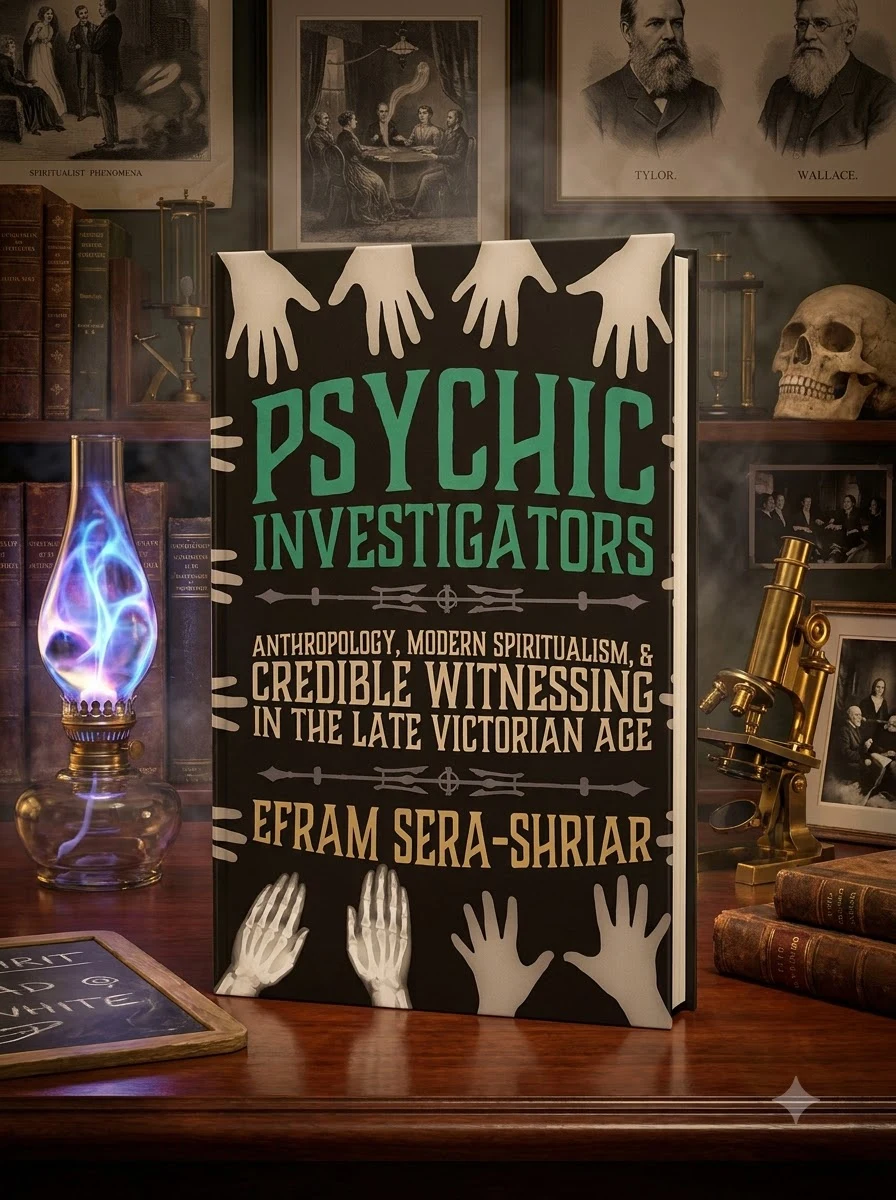
5. Psychic Investigators: Anthropology, Modern Spiritualism, and Credible Witnessing in the Late Victorian Age — Efram Sera-Shriar
Psychic Investigators examines how Victorian spiritualists attempted to legitimize their practices through scientific methodology and rigorous observation. This is crucial: the spiritualists didn't abandon reason; they tried to marry it with intuition and belief. That same impulse appears in modern manifestation texts that cite quantum physics or neuroscience to validate their claims. Sera-Shriar shows how the Victorian quest for credible witnessing of the non-material world laid groundwork for contemporary attempts to make manifestation scientifically respectable.
The Esoteric Lineage: From Séance to Conscious Manifestation
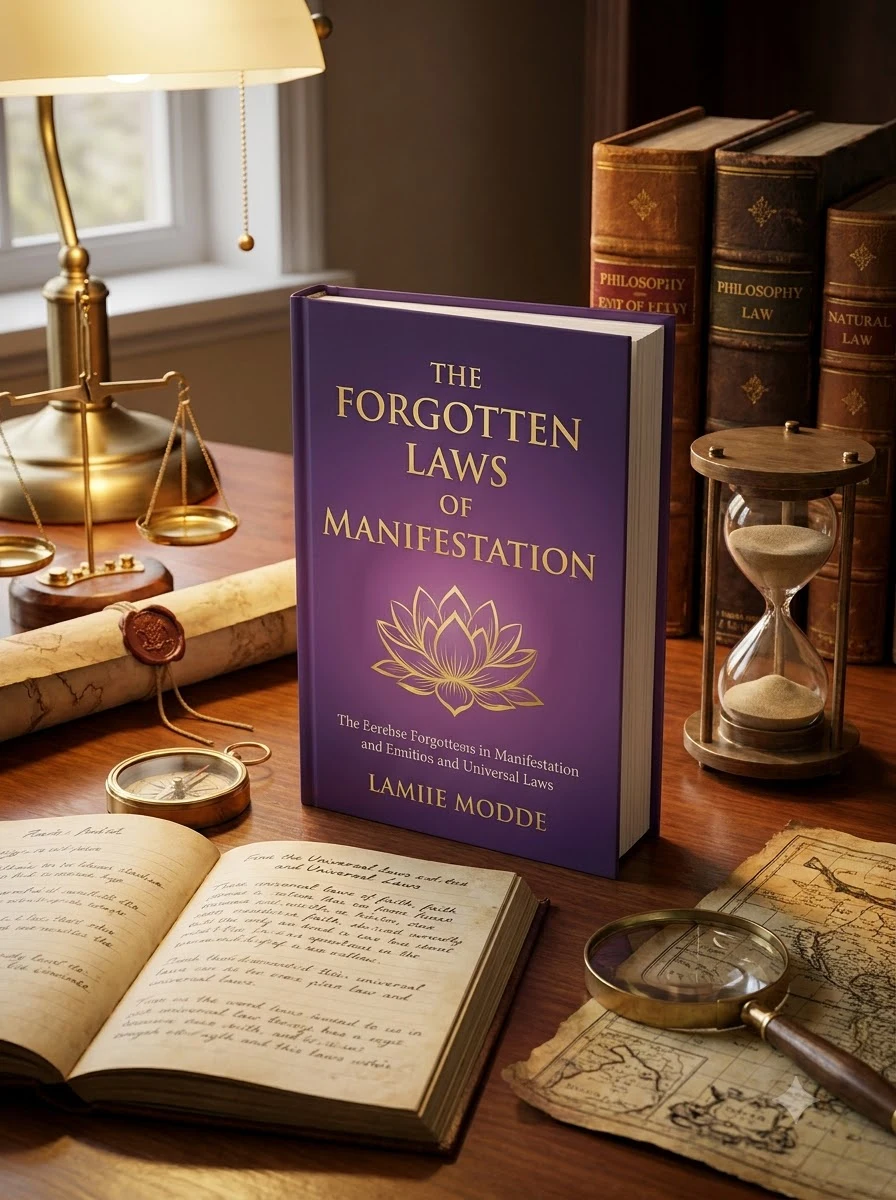
6. The Forgotten Laws of Manifestation: Revealing the True Science and Spiritual Order Behind Creation — Aria Vale
The Forgotten Laws of Manifestation is where the Victorian tradition meets contemporary practice. Vale argues that modern manifestation teaching has lost touch with its deeper esoteric roots—that we've reduced the practice to visualization and positive thinking when the real work involves understanding the laws of creation itself. She reconnects manifestation to hermetic philosophy and spiritual science, the same frameworks that informed Victorian spiritualists. This book explicitly bridges the historical and the practical.
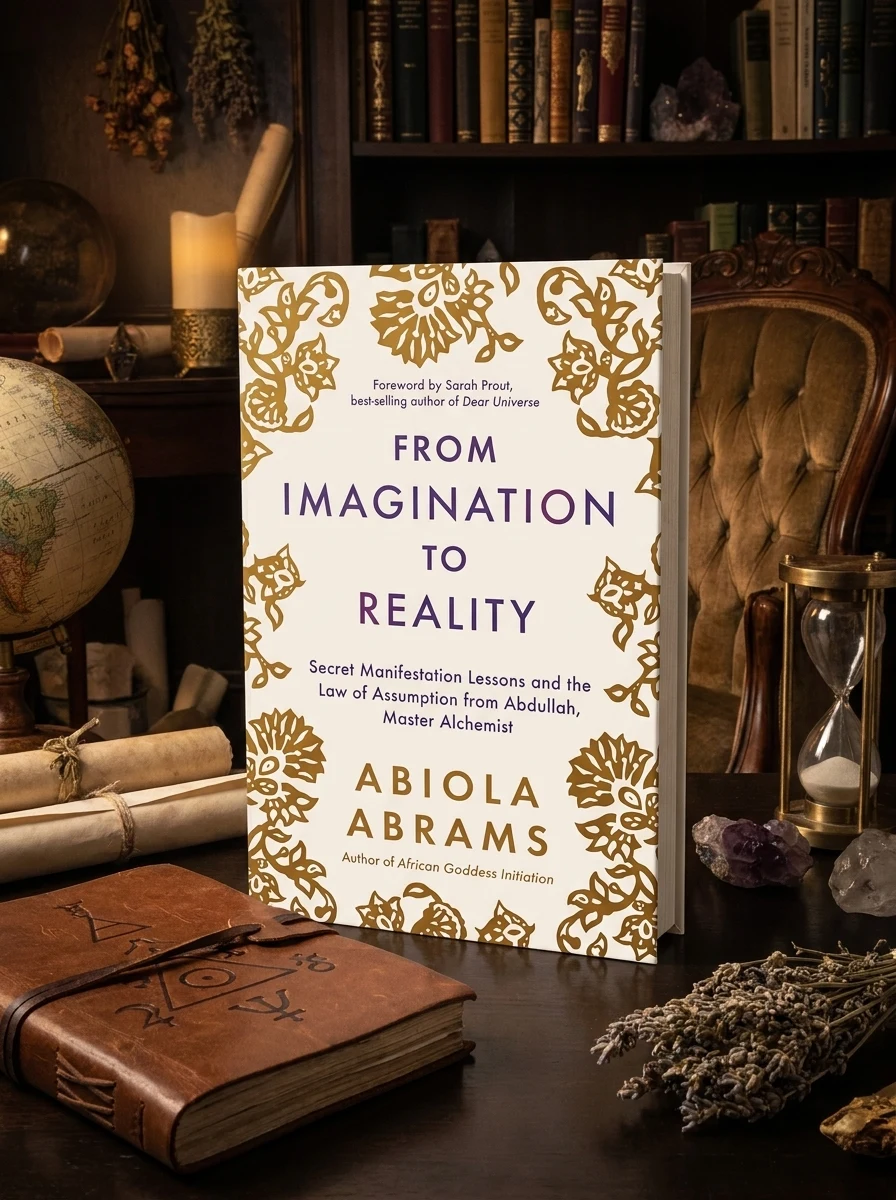
7. From Imagination to Reality: Secret Manifestation Lessons and the Law of Assumption from Abdullah, Master Alchemist — Abiola Abrams
From Imagination to Reality traces the teaching lineage through Neville Goddard and his teacher Abdullah, revealing the occult roots of modern manifestation instruction. Abrams shows how these teachers drew on Victorian spiritualist ideas about the power of imagination and assumption—the belief that if you can imagine something vividly enough, and assume it to be true, reality will conform. This is the séance principle translated into individual practice: consciousness creates.
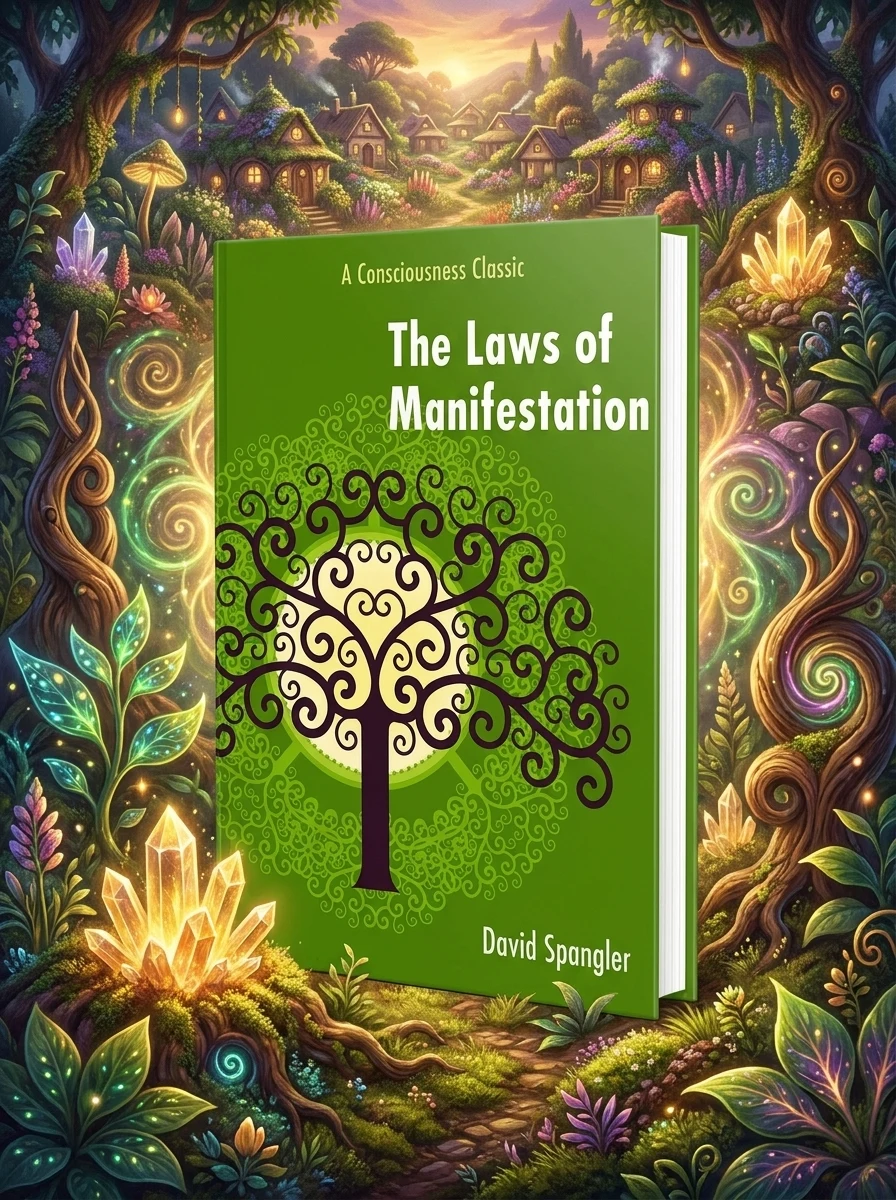
8. The Laws of Manifestation: A Consciousness Classic — David Spangler
The Laws of Manifestation by Spangler offers a more philosophical and ethical treatment of manifestation as spiritual law. Spangler moves beyond technique to explore the moral dimensions of conscious creation—questions that Victorian spiritualists also faced. If consciousness shapes reality, what are our responsibilities? How do we manifest ethically? This depth distinguishes serious esoteric practice from superficial self-help, and it connects modern seekers back to the thoughtful engagement with power that characterized the best of Victorian spiritualism.
Contemporary Practice Rooted in Tradition
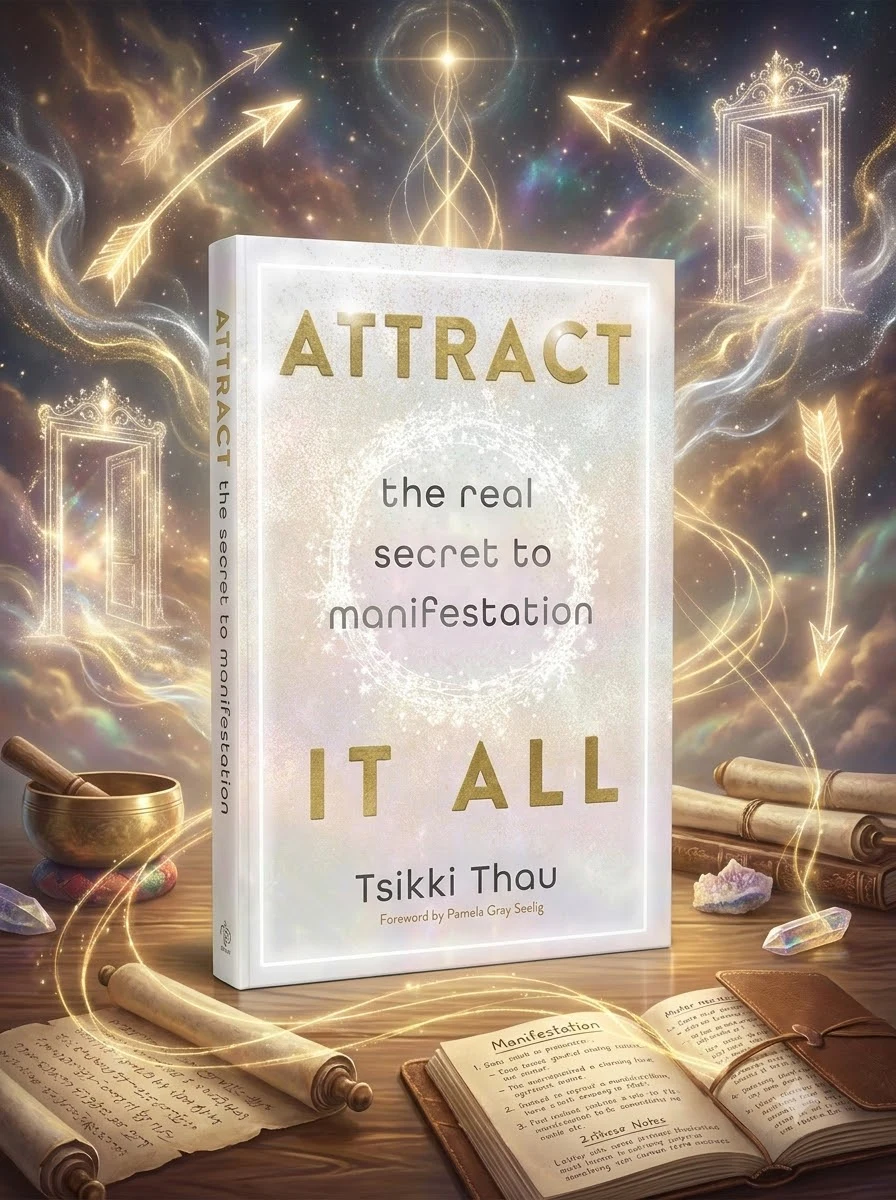
9. Attract It All: The Real Secret to Manifestation — Tsikki Thau and Pamela Gray Seelig
Attract It All brings the lineage into present-day practice with concrete methods grounded in esoteric principle. Thau and Seelig offer techniques that echo Victorian spiritualist practice—focused intention, visualization, energetic alignment—but adapted for contemporary life. What makes this book valuable is that it doesn't pretend to have invented these methods; it acknowledges the tradition while making it accessible and actionable.
Choosing Your Entry Point
If you're new to this history, start with Calling the Spirits or Boston in the Golden Age of Spiritualism to ground yourself in the Victorian context. These books answer the question: Why did millions believe? What were they actually doing in those darkened parlors?
If you're already practicing manifestation and want to deepen your understanding of its roots, move to Altered States and From Imagination to Reality. These texts reveal how your practice connects to a genuine esoteric lineage, not just contemporary marketing.
If you want to integrate historical understanding with practical technique, read The Forgotten Laws of Manifestation alongside Attract It All. This pairing honors both the tradition and its living application.
The through-line from Victorian séance to modern manifestation is not accidental. It reflects a consistent esoteric conviction: that consciousness is primary, that intention has power, and that the material world responds to focused attention and belief. Understanding this genealogy doesn't make manifestation more or less real—but it does make your practice more informed, more rooted, and more connected to the genuine spiritual inquiry that has always driven these practices.