Scott Cunningham changed modern witchcraft by writing books that actually worked for solitary practitioners. Before him, most occult instruction assumed you had a coven, a teacher, or years of study behind you. Cunningham wrote for the person alone in their apartment or kitchen, with no lineage and no apologies.
The problem is that his bibliography is large—over 20 titles—and they're not all entry points. Some are reference works. Some build on others. Some are specialized. If you pick the wrong first book, you might get lost in encyclopedia entries when you need practical spells, or you might grab a beginner's guide when you're ready for philosophy.
This guide matches nine of his essential titles to the actual problem you're trying to solve. Read the section that matches your situation, and you'll know exactly which book to start with.
If You're Starting Solitary Wicca from Zero
You've heard about Wicca. You're curious. You don't have a coven and don't want one. You need a book that teaches the basics—what Wicca actually is, how to set up a practice, how to cast a circle, what the Wheel of the Year means—without assuming you've read anything else.
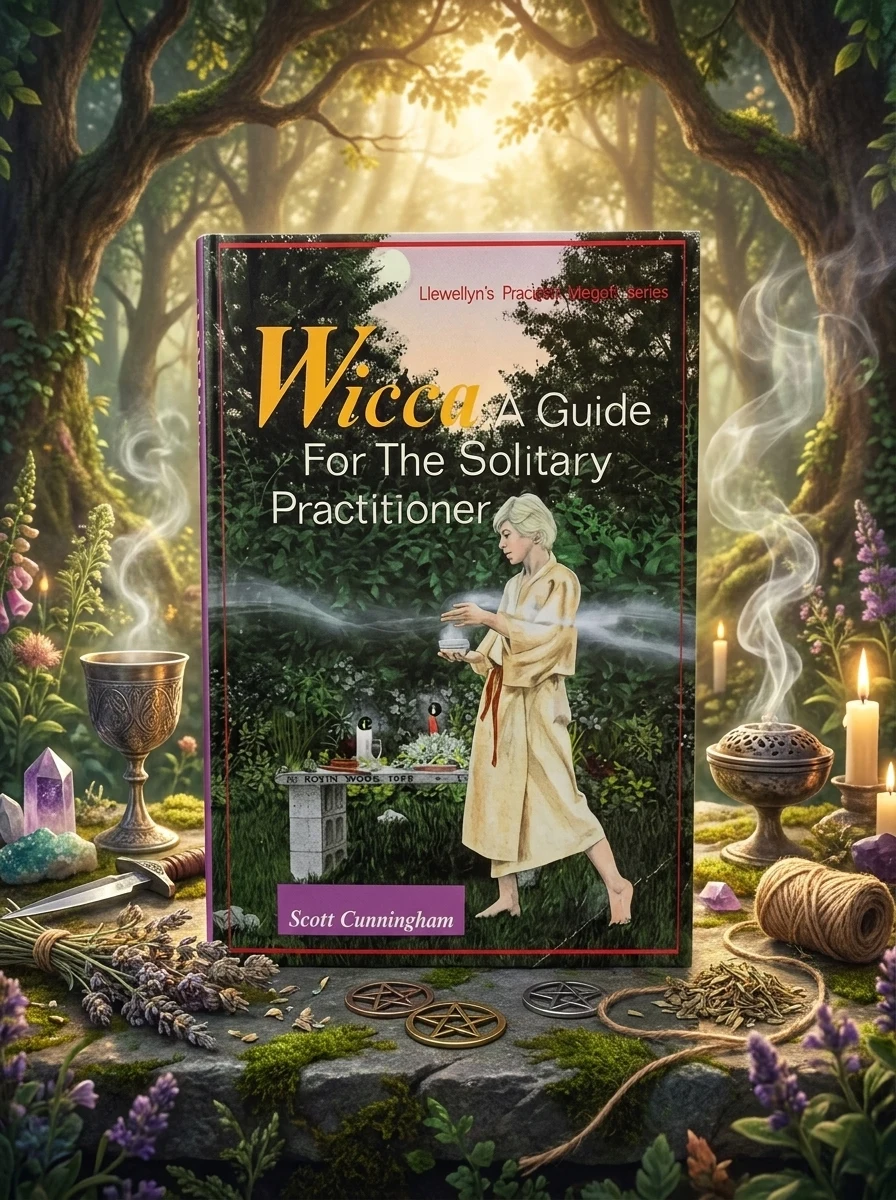
1. Wicca: A Guide for the Solitary Practitioner — Scott Cunningham
This is the book that defined modern solitary Wicca. Published in 1988, it's still the standard first read. Cunningham teaches the Eight Sabbats, the Wheel of the Year, how to consecrate tools, how to cast a circle, and how to write your own rituals. The tone is calm and non-dogmatic—he's clear that there's no single "right way" to be Wiccan, which is exactly what a solitary practitioner needs to hear.
The book includes actual rituals you can perform alone, with clear instructions. It's under $20 and will answer 90% of the questions a beginner has. If you read only one Cunningham book, this should be it.
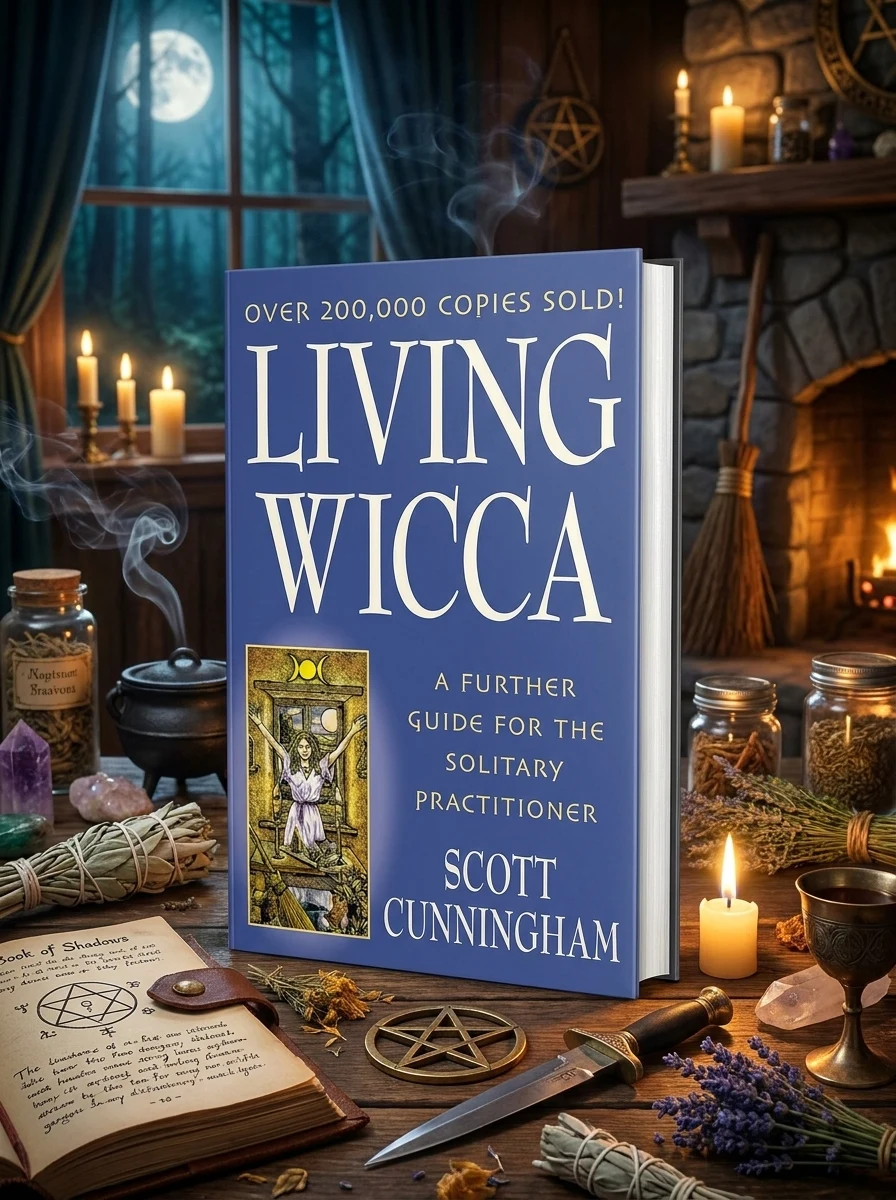
2. Living Wicca: A Further Guide for the Solitary Practitioner — Scott Cunningham
Once you've worked through the first book and established a basic practice, this one takes you deeper. It's less about mechanics and more about philosophy, personal practice, and how to evolve your craft over time. Cunningham addresses questions like: How do you deepen your relationship with the divine? How do you know if your spells are working? How do you adapt Wicca to your real life?
This book assumes you've already read Wicca: A Guide for the Solitary Practitioner and have some practice under your belt. It's for the person who's done their first year and wants to move beyond the basics.
If You Want to Work with Plants and Herbs
Herbal magic is one of the oldest forms of witchcraft. It's practical, grounded, and works with the real properties of plants. If you're drawn to green witchcraft, kitchen witchcraft, or just want to know which herbs to use in spells, Cunningham wrote two essential books on this.
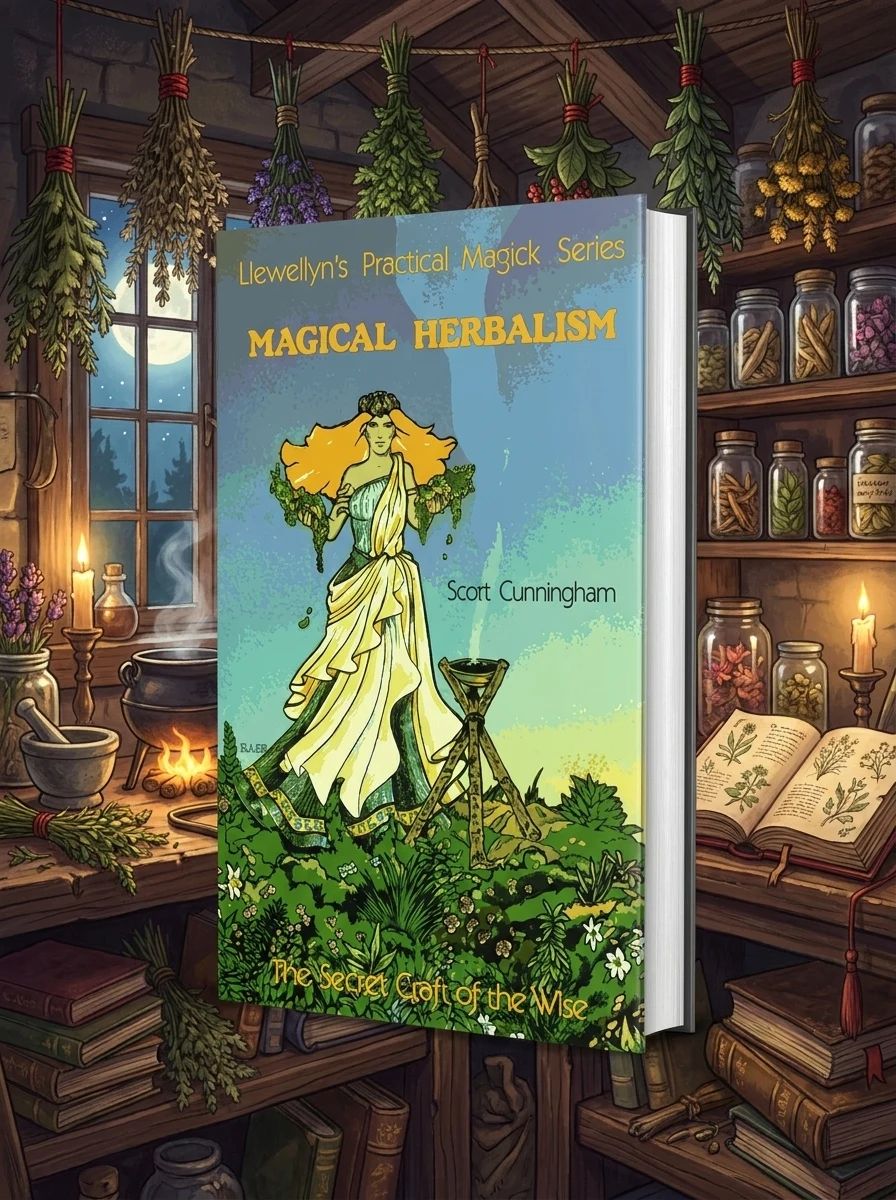
3. Magical Herbalism: The Secret Craft of the Wise — Scott Cunningham
This is the most accessible entry into herbal magic. Cunningham teaches the philosophy behind plant magic—why certain herbs work for certain purposes—and then gives you practical methods: how to dry herbs, how to make infusions, how to burn them as incense, how to carry them in sachets. The book is short, clear, and designed for someone with no prior knowledge.
If you have a garden or access to fresh plants, or if you want to start working with herbs immediately, this is your first stop. It's under $20 and teaches you to think like an herbalist.
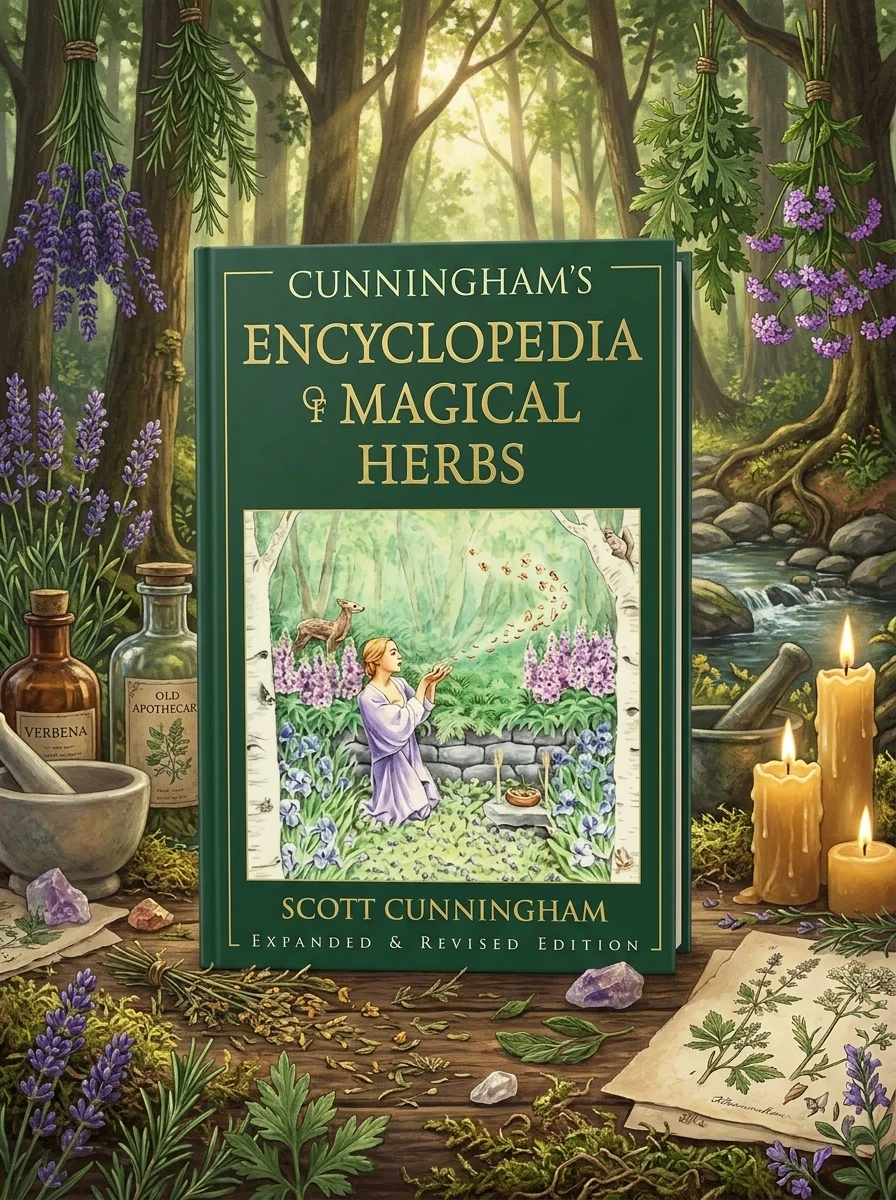
4. Encyclopedia of Magical Herbs — Scott Cunningham
Once you understand the basics from Magical Herbalism, this encyclopedia becomes your reference. It lists over 100 herbs with their magical properties, planetary correspondences, and uses. You'll look up rosemary and find that it's ruled by the Sun, used for protection and purification, and can be burned, carried, or added to baths.
This is not a book to read cover to cover. It's a book to keep on your shelf and consult when you're planning a spell or ritual. It's organized alphabetically and includes both common kitchen herbs and more specialized plants. Under $20.
If You Want to Work with Crystals and Stones
Crystal magic is visual, tactile, and immediate. Many people are drawn to stones before they're drawn to anything else in witchcraft. Cunningham's crystal books are the standard reference for solitary practitioners.
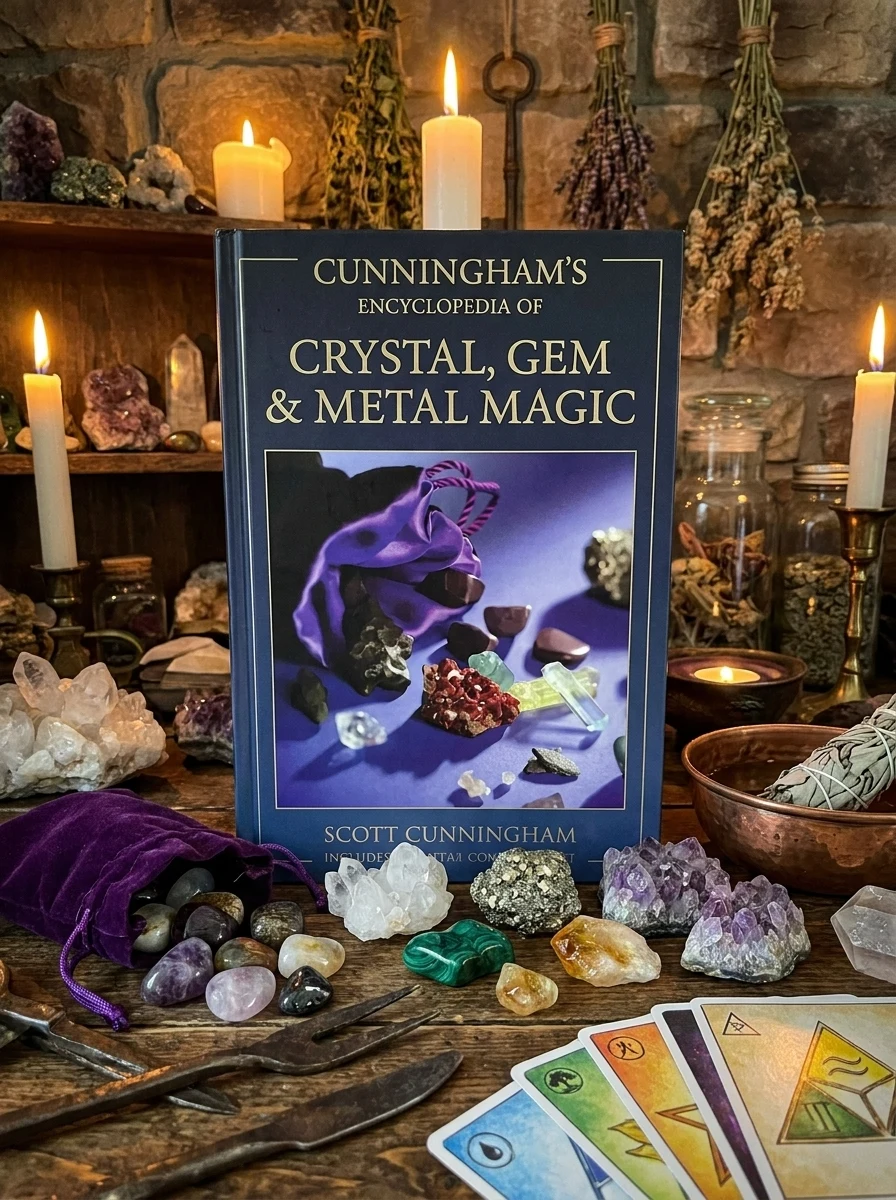
5. Cunningham's Encyclopedia of Crystal, Gem & Metal Magic — Scott Cunningham
This is the reference work. It covers over 100 stones, crystals, and metals, with their magical properties, chakra correspondences, and how to use them in spellwork. Each entry is concise but complete—you'll find what a stone does, how to carry it, how to cleanse it, and what it pairs well with.
Unlike some crystal books that rely on New Age claims without grounding, Cunningham connects stones to traditional magical practice. He's honest about what's folklore and what's practical experience. Under $20, and essential if you work with stones.
If You Want to Make Magical Objects and Tools
Some witches are makers. They want to create their own incense, oils, brews, talismans, and ritual objects. Cunningham wrote several books specifically for the hands-on practitioner.
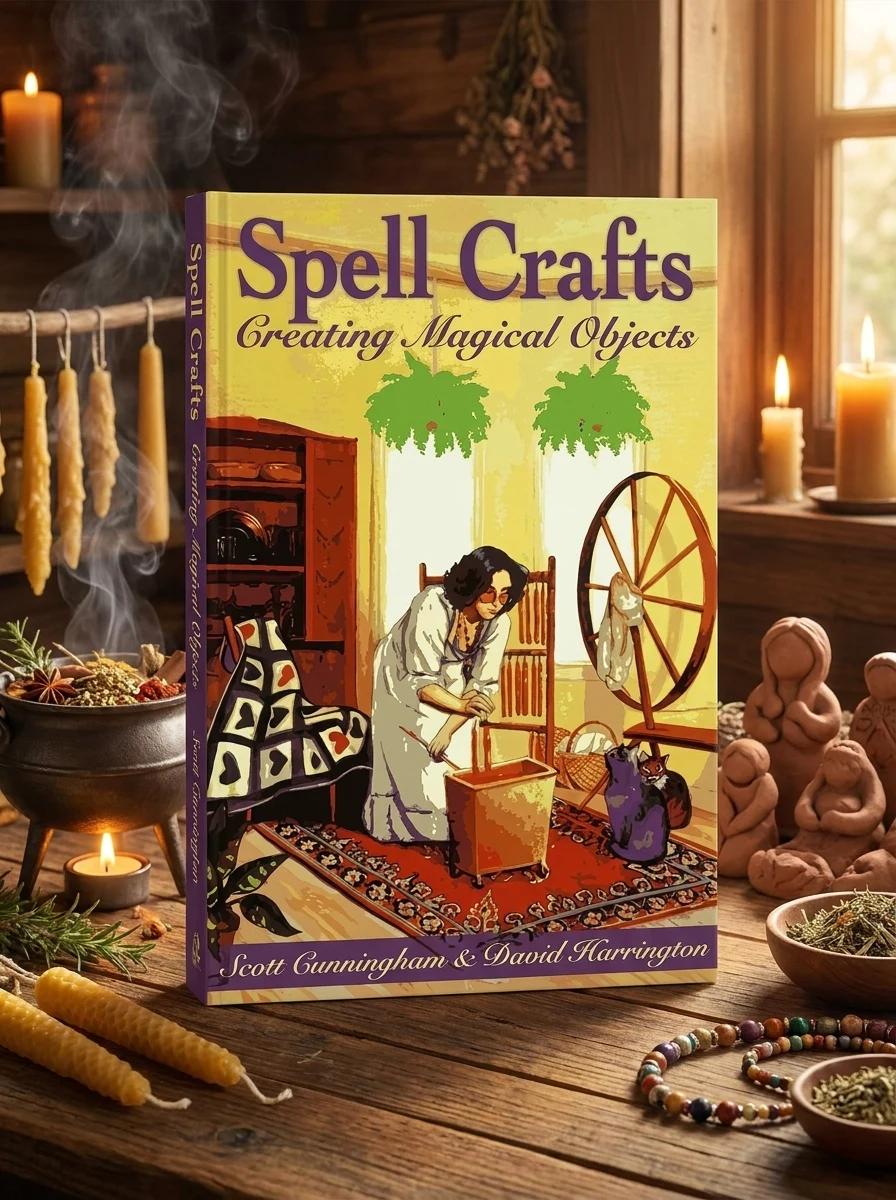
6. Spell Crafts: Creating Magical Objects (Revised) — Scott Cunningham
This book teaches you to make talismans, poppets, charm bags, and other physical objects that carry magical intention. Each project includes materials, step-by-step instructions, and the magical theory behind it. You'll make a protection talisman, a love charm, a prosperity bag—all with things you can find or order.
The revised edition is clearer and more accessible than the original. It's for the practitioner who likes to work with their hands and wants their spells to be tangible. Under $20.
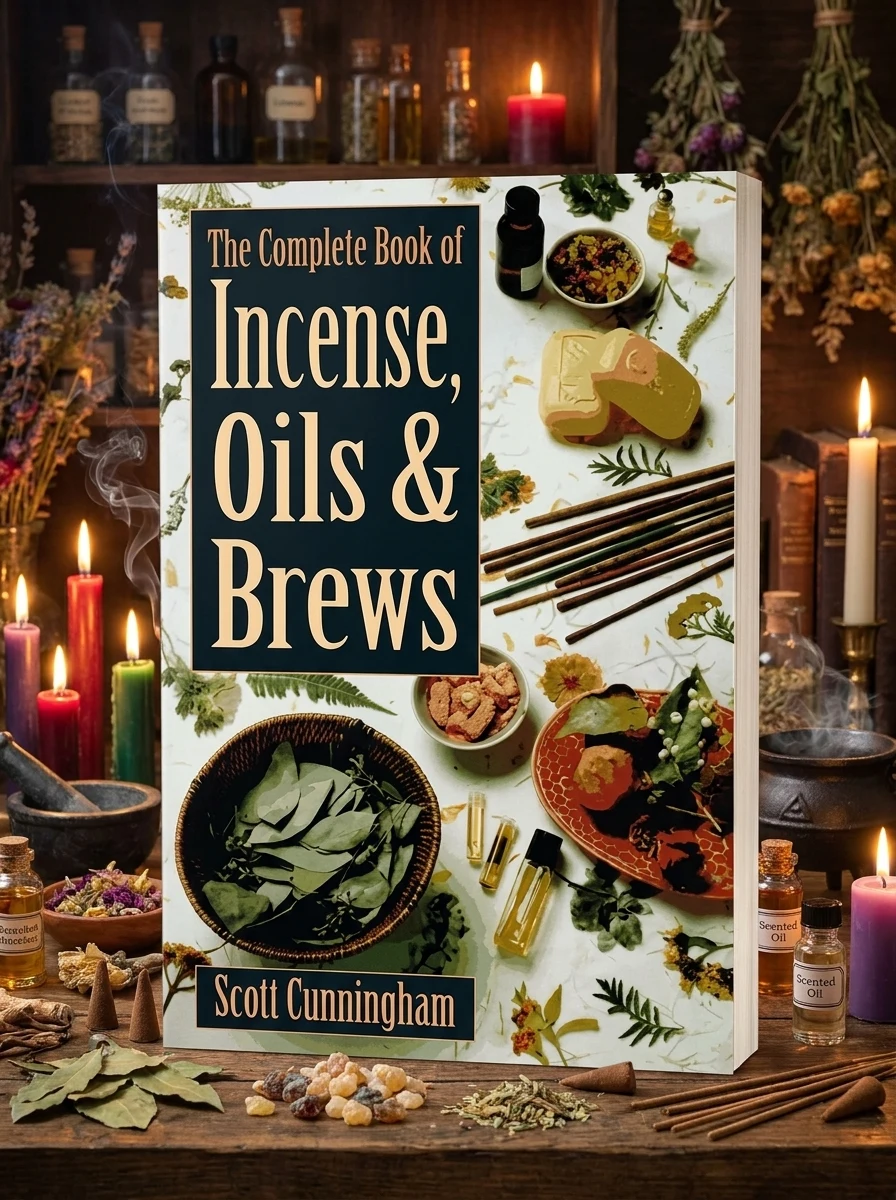
7. The Complete Book of Incense, Oils & Brews — Scott Cunningham
If you want to make your own incense, essential oil blends, herbal teas, and ritual waters, this is the book. Cunningham gives recipes for dozens of blends—for protection, love, prosperity, healing, spiritual work. Each recipe includes the ingredients, proportions, and the magical intention behind it.
This is practical and immediate. You can make your first blend today. The book also teaches the basics of working with essential oils safely and how to store your creations. Under $20.
If You Want to Bring Magic into Your Home and Kitchen
Kitchen witchcraft and household magic are about making your everyday life sacred. Cooking, cleaning, decorating, and living become acts of intention. Cunningham has two books on this theme.
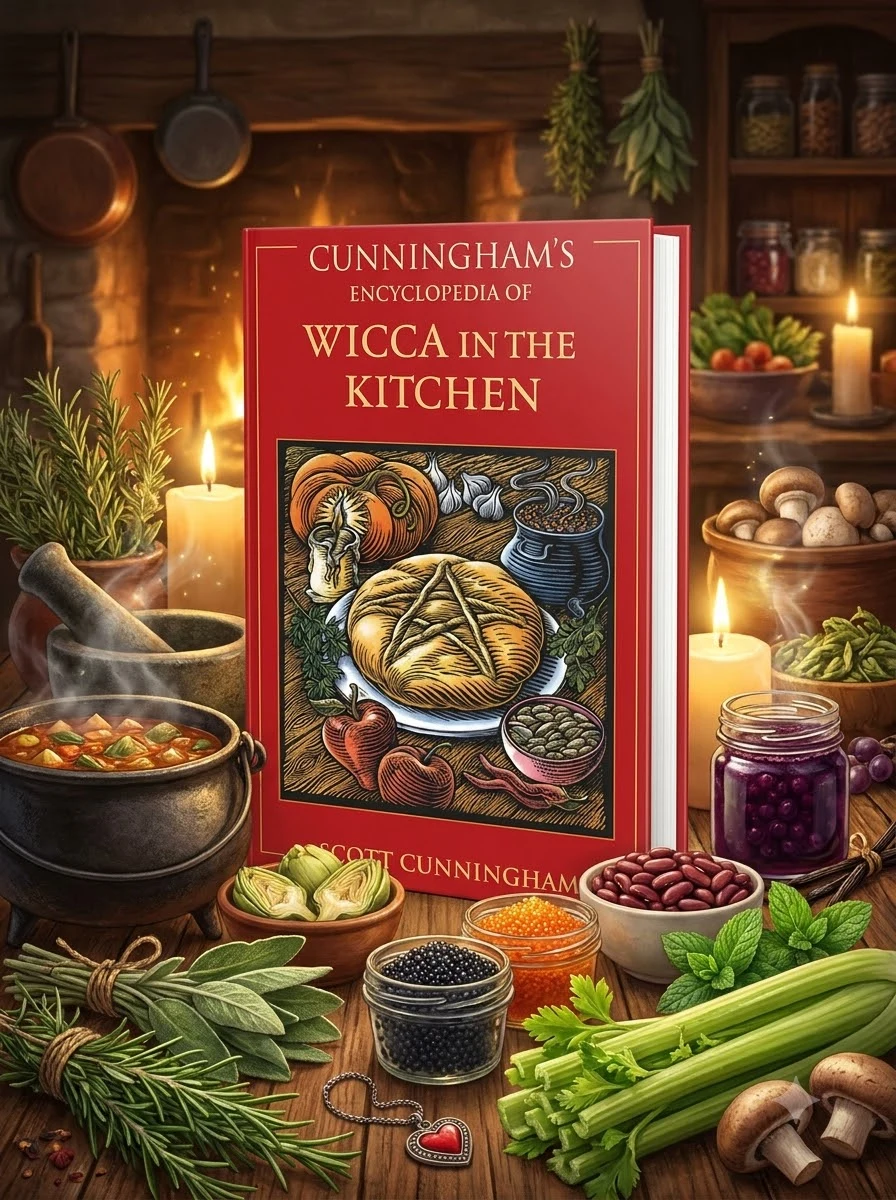
8. Cunningham's Encyclopedia of Wicca in the Kitchen — Scott Cunningham
This book teaches you to cook with intention. Every ingredient has magical properties—salt protects, garlic banishes, honey attracts sweetness. Cunningham shows you how to choose ingredients for their magical as well as culinary properties, how to stir clockwise or counterclockwise depending on your intention, and how to bless your food.
It includes recipes organized by magical purpose: protection meals, love dinners, prosperity breakfasts. You're not making anything exotic—these are real foods—but you're making them with awareness. Under $25.
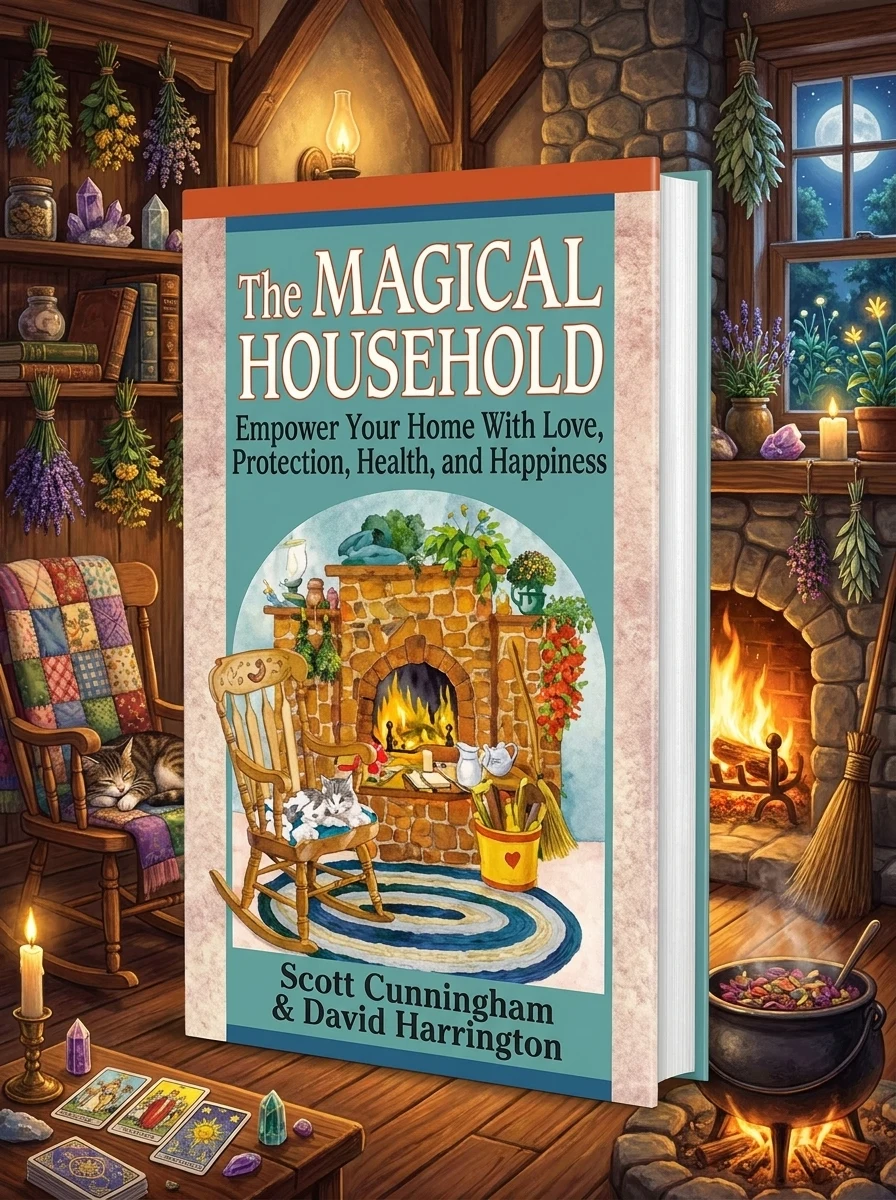
9. The Magical Household: Spells & Rituals for the Home — Scott Cunningham, David Harrington, Tom Zingarelli
This book extends kitchen magic to the whole house. It teaches you to consecrate your home, protect it, cleanse it of unwanted energy, and invite abundance. You'll find spells for the front door, the bedroom, the kitchen, the bathroom—every room has magical work to do.
The tone is practical and grounded. You're not doing elaborate rituals; you're bringing intention into the spaces where you actually live. Under $20 for the standard edition.
How to Choose Your First Cunningham Book
If you're completely new to witchcraft and Wicca, start with Wicca: A Guide for the Solitary Practitioner. It's the foundation. Everything else builds from it.
If you already know you're drawn to a specific practice—herbs, crystals, cooking, making objects—start with the book that matches that interest. You don't have to read Cunningham in order. His books are designed to stand alone.
If you want to go deeper after your first book, Living Wicca is the natural next step for philosophy, or pick a specialty book (herbs, crystals, household magic) to expand your toolkit.
What makes Cunningham essential is his voice. He writes without dogma. He respects your autonomy. He assumes you're smart and capable of figuring things out. He gives you tools and gets out of the way. That's rare in occult publishing, and it's why his books have stayed in print for 30+ years.