Freemasonry occupies a strange place in American culture. It's simultaneously dismissed as a conspiracy factory and romanticized as a repository of ancient wisdom. The truth is far more interesting: Freemasonry is a legitimate esoteric tradition with deep roots in Western occultism, a sophisticated ritual structure, and a genuine philosophical framework that has shaped centuries of mystical thought.
The problem is that most books about Freemasonry either sensationalize it or treat it as historical curiosity rather than living spiritual practice. What's missing are texts that respect both the scholarship and the esoteric reality—books written by people who understand that Masonic symbolism is not a code to be cracked by outsiders, but a language designed to transform the initiate from within.
This guide collects twelve books that do exactly that. Some are written by Masons themselves, others by serious historians and occultists. All of them treat Freemasonry as what it actually is: a mystical system worthy of study, not a subject for conspiracy theorizing.
The Philosophical Foundations: Understanding Masonic Esotericism
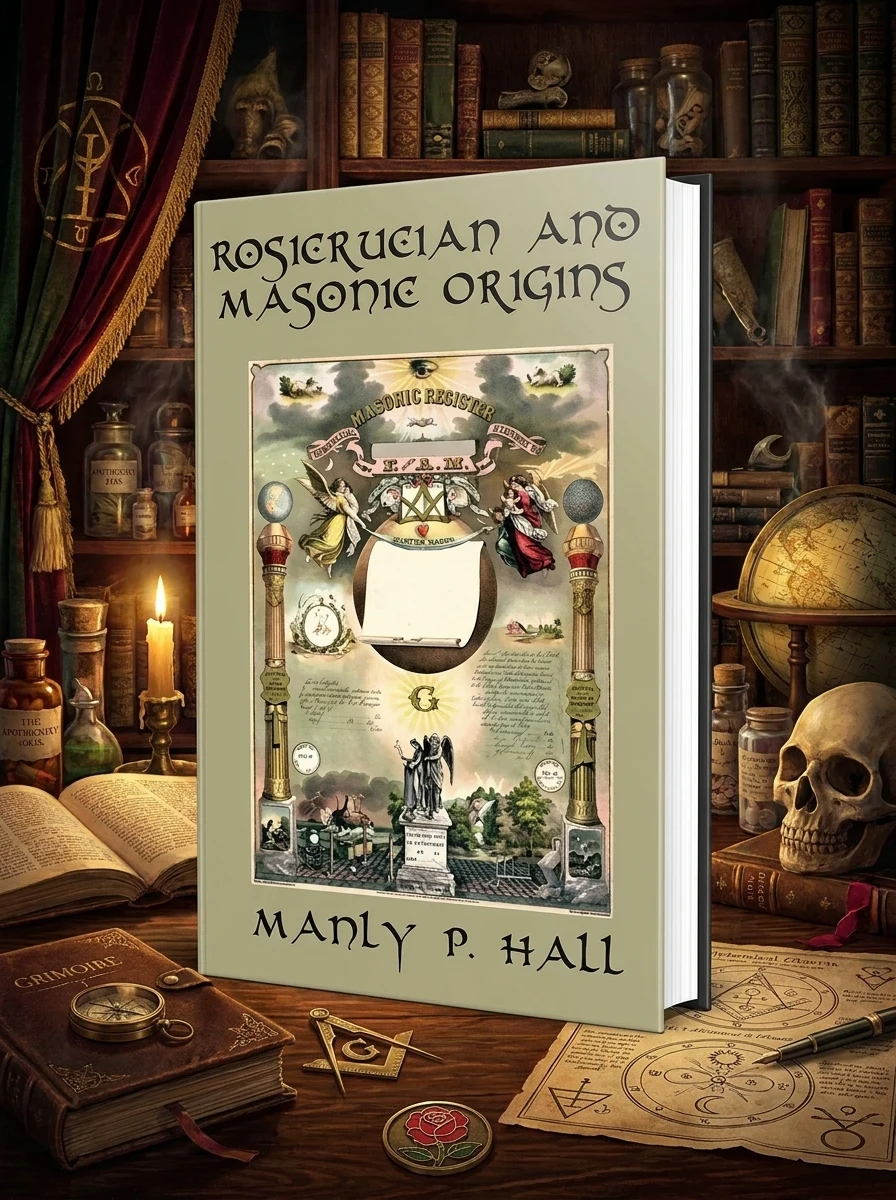
1. Rosicrucian and Masonic Origins: A Study of Rosicrucianism and Freemasonry — Manly P. Hall
Manly P. Hall's work is foundational for anyone serious about understanding how Freemasonry connects to the broader Western esoteric tradition. Hall traces the philosophical lineage from Rosicrucianism through Freemasonry, showing how both systems share common symbolic languages and initiatory structures. This is not a book that treats these as separate phenomena; instead, Hall demonstrates their deep interconnection. His writing is dense but rewarding, and he assumes his reader is willing to think carefully about abstract philosophical concepts. This book works best as your second or third Masonic text, after you've grasped the basics of ritual structure.
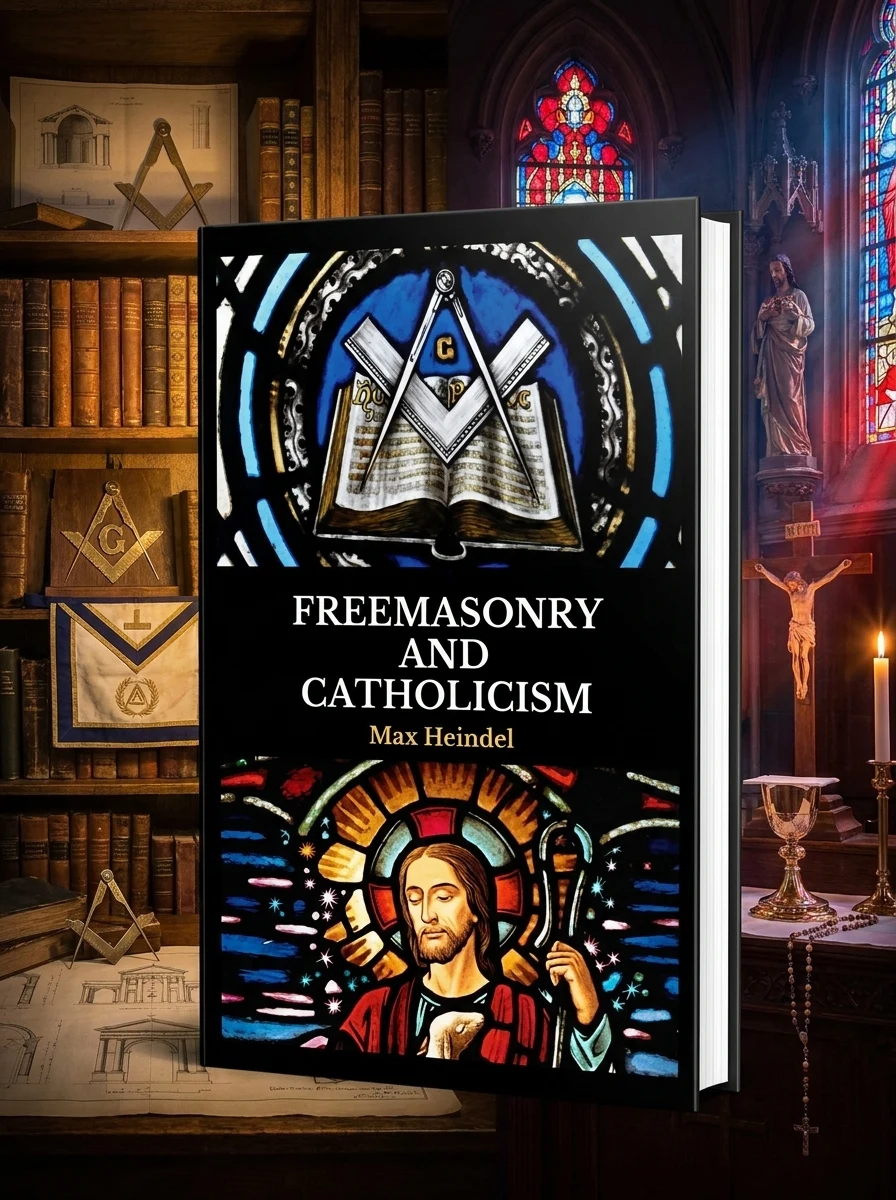
2. Freemasonry and Catholicism — Max Heindel
Heindel approaches Freemasonry from a Rosicrucian perspective, examining the philosophical tensions and hidden agreements between Masonic thought and Catholic mysticism. This is comparative esotericism at its finest—Heindel doesn't dismiss either tradition but instead shows how both are working with similar spiritual principles through different symbolic vocabularies. If you're interested in how esoteric traditions negotiate with institutional religion, this is essential reading. Heindel's prose is clearer than Hall's, making this an excellent entry point into philosophical Masonry.
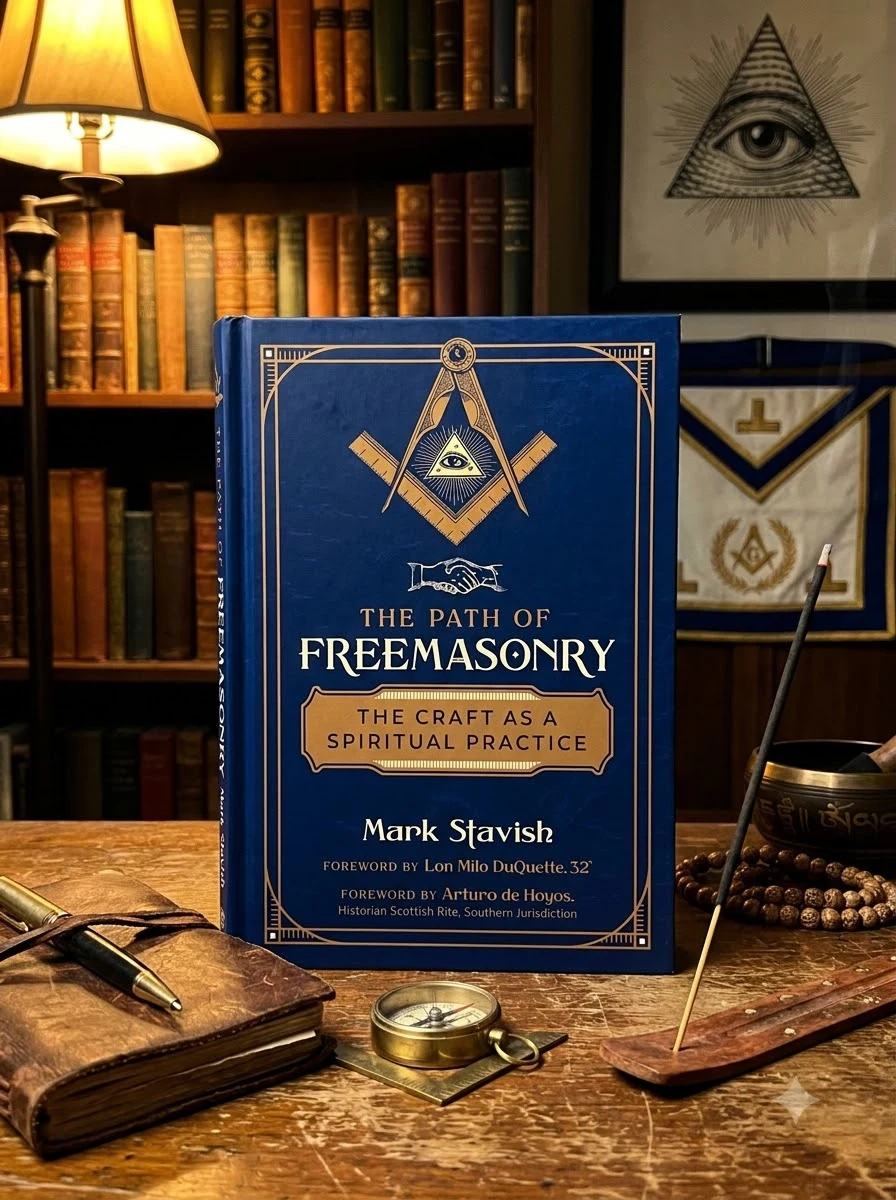
3. The Path of Freemasonry: The Craft as a Spiritual Practice — Mark Stavish, Arturo De Hoyos, and Lon Milo DuQuette
This collaborative work treats Freemasonry explicitly as a spiritual discipline rather than a historical artifact or social club. The authors—all experienced practitioners—explain how the three degrees function as stages of psychological and spiritual development. They connect Masonic symbolism to broader Western occult traditions, including Kabbalah and alchemy. The tone is respectful toward the tradition while remaining accessible to non-initiates. This book is particularly useful if you're considering whether Freemasonry might be a path for you, or if you're already initiated and seeking deeper context for what you've experienced.
Ritual, Symbol, and the Architecture of Initiation
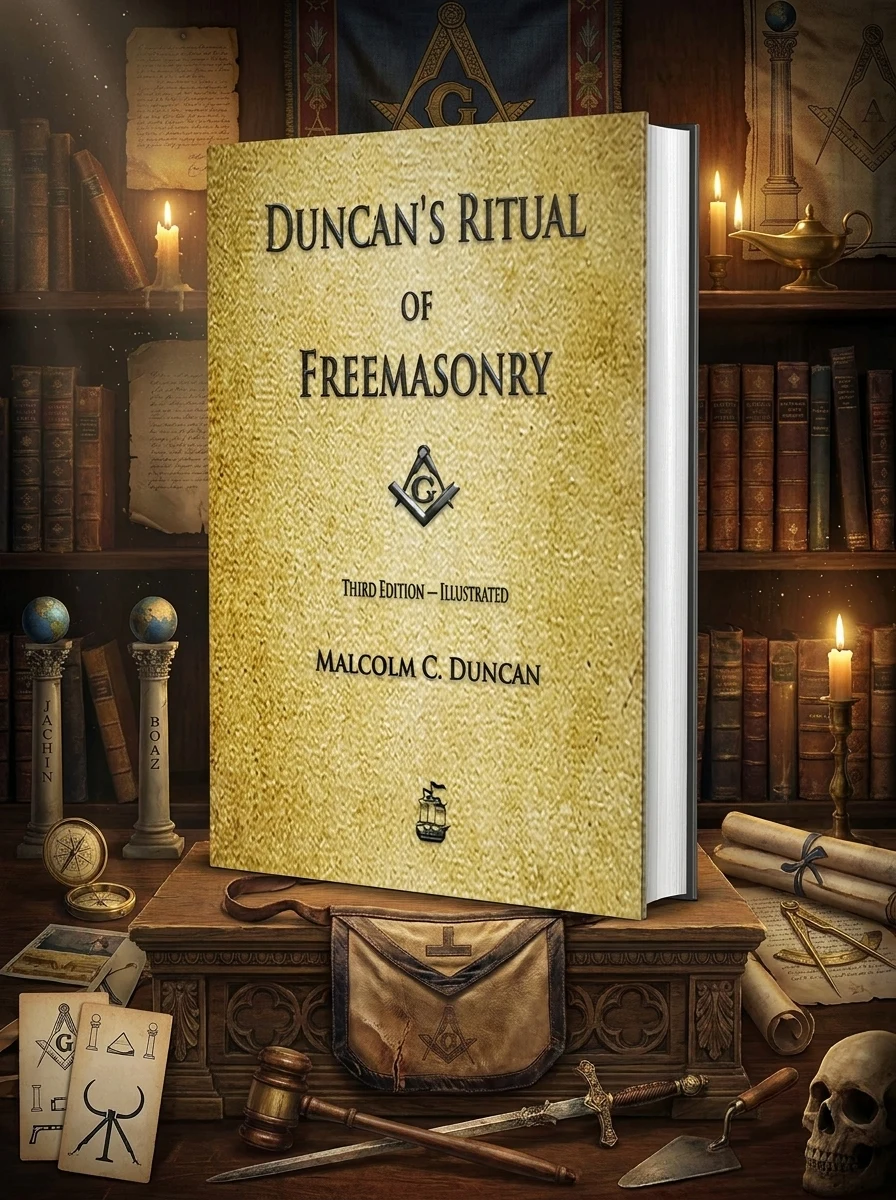
4. Duncan's Ritual of Freemasonry — Malcolm C. Duncan
Duncan's Ritual is the most widely used reference text for understanding what actually happens in a Masonic lodge. Published in the 19th century, it presents the three degrees in full, including the words, gestures, and symbolic actions. For a non-Mason, this book provides genuine access to the ritual structure without requiring initiation. For initiated Masons, it serves as a historical record and comparative tool. The value here is specificity: you're not reading about Freemasonry in the abstract, but seeing the actual words and movements that constitute the practice. This is under $25 and indispensable if you want to understand Masonic ritual beyond secondhand descriptions.
5. The Arcana of Freemasonry (Revised) — Albert Churchward
Churchward's work is a detailed symbolic analysis of Masonic degrees, connecting them to ancient Egyptian mysteries and broader esoteric traditions. He treats Masonic symbols not as arbitrary decorations but as encoded teachings about cosmology, psychology, and spiritual development. The revised edition includes updated scholarship and clearer organization than the original. This book requires patience—Churchward's style is dense and his arguments sometimes move quickly—but readers who work through it gain a sophisticated understanding of how Masonic symbolism functions as a teaching tool. Best suited for readers who already have some familiarity with Western occultism or Kabbalah.
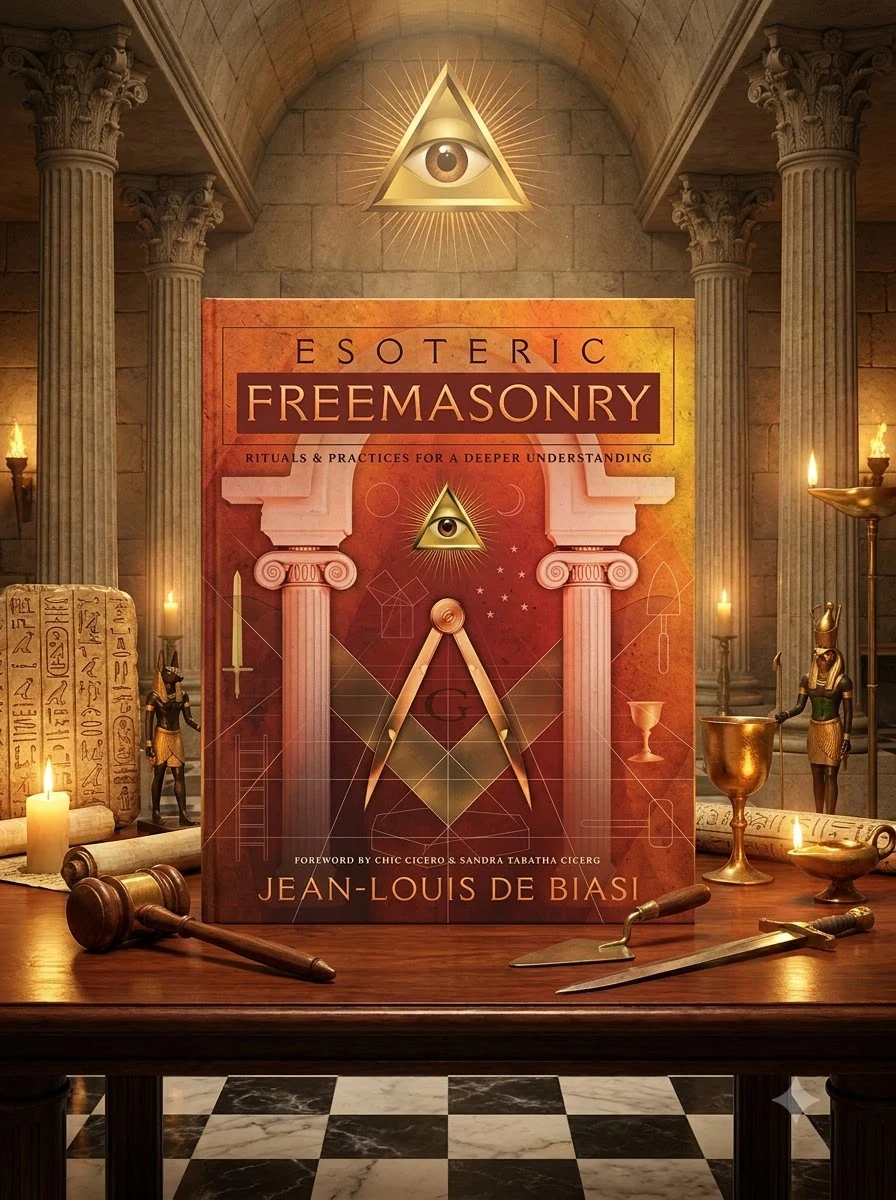
6. Esoteric Freemasonry: Rituals & Practices for a Deeper Understanding — Jean-Louis De Biasi
De Biasi offers a practical guide to the inner dimensions of Masonic work. Rather than simply explaining symbols, he shows how a Mason might work with them meditatively and magically. This book bridges the gap between ritual attendance and personal spiritual practice. De Biasi respects the tradition while offering techniques that non-initiated seekers can adapt for their own work. The tone is warm and encouraging without being condescending. If you're drawn to Freemasonry but want to understand how its practices translate into lived spiritual experience, this is your book.
7. Morals and Dogma of the Ancient and Accepted Scottish Rite of Freemasonry: Volume 1 — Albert Pike (Annotated Glossary Edition)
Pike's Morals and Dogma is the philosophical backbone of the Scottish Rite, one of Freemasonry's two major branches. The original text is notoriously difficult—Pike assumes extensive knowledge of Western esotericism, world religions, and classical philosophy. The annotated glossary edition makes it far more accessible by explaining Pike's references and defining his specialized terminology. This is not a book to read straight through; instead, it's a resource to return to repeatedly as your understanding deepens. The investment under $15 is remarkable for a text of this scope and influence.
History, Origins, and the Masonic Influence on Western Thought
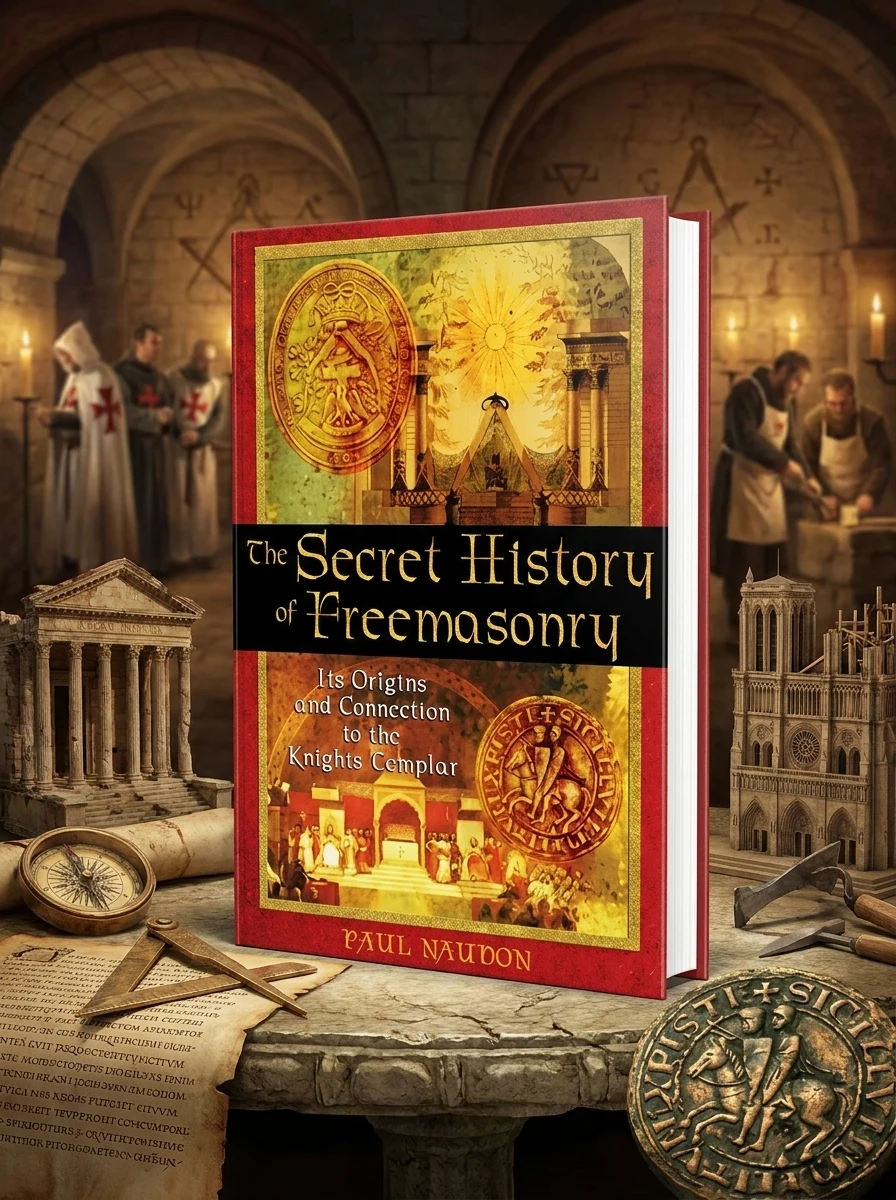
8. The Secret History of Freemasonry: Its Origins and Connection to the Knights Templar — Paul Naudon
Naudon's historical approach cuts through both conspiracy mythology and sanitized lodge histories to examine what we actually know about Freemasonry's origins. He traces connections to medieval craft guilds, the Knights Templar, and Renaissance esoteric movements with scholarly rigor. Naudon doesn't claim certainty where evidence is thin, but he also doesn't dismiss genuine historical connections. This book is essential if you want to understand why Freemasonry matters historically, not just spiritually. It's the best antidote to both conspiracy thinking and dismissive skepticism.
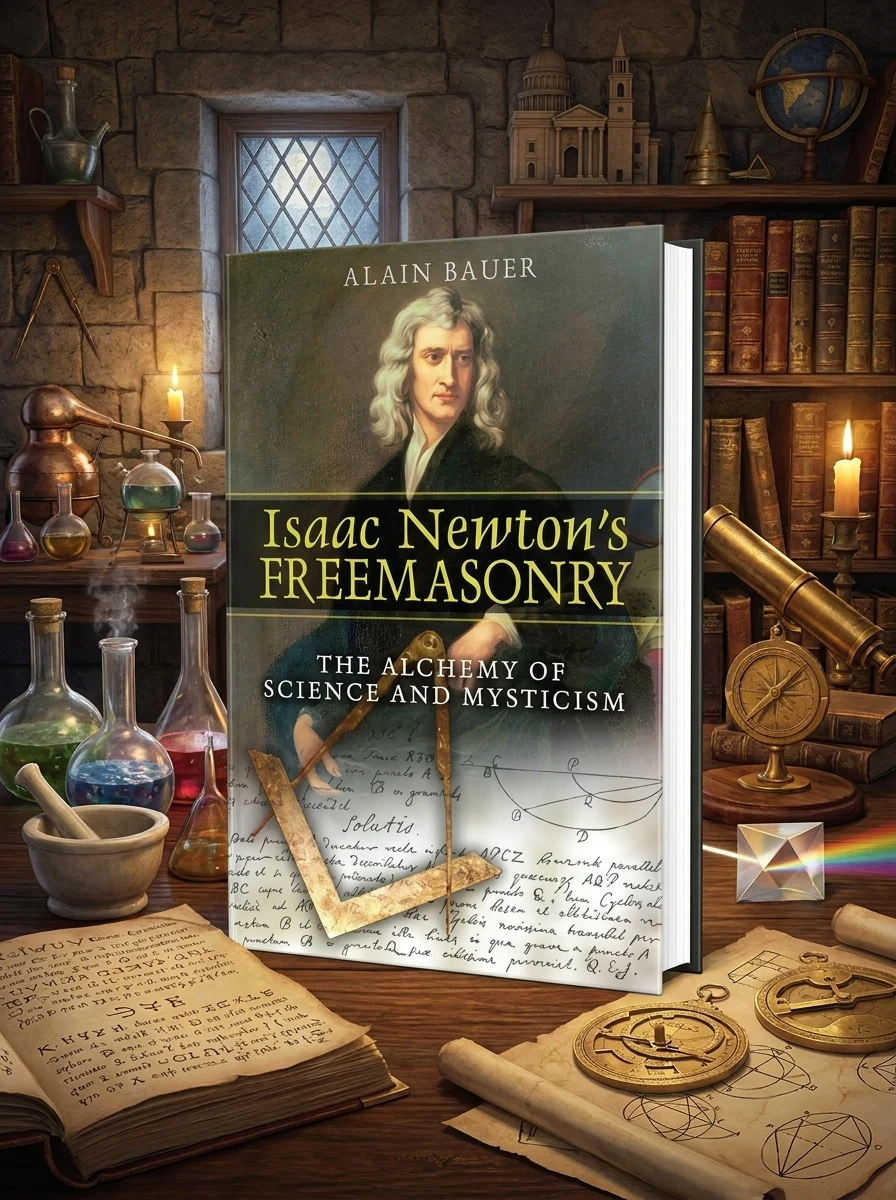
9. Isaac Newton's Freemasonry: The Alchemy of Science and Mysticism — Alain Bauer
Bauer explores the esoteric dimensions of Isaac Newton's thought and his involvement with Freemasonry and alchemy. This book challenges the narrative that science and mysticism are opposed, showing instead how Newton himself saw them as complementary. For readers interested in how Freemasonry influenced the Scientific Revolution, or how Western occultism shaped modern thought, this is revelatory. Bauer writes clearly about complex material, making this accessible even to readers without scientific background.
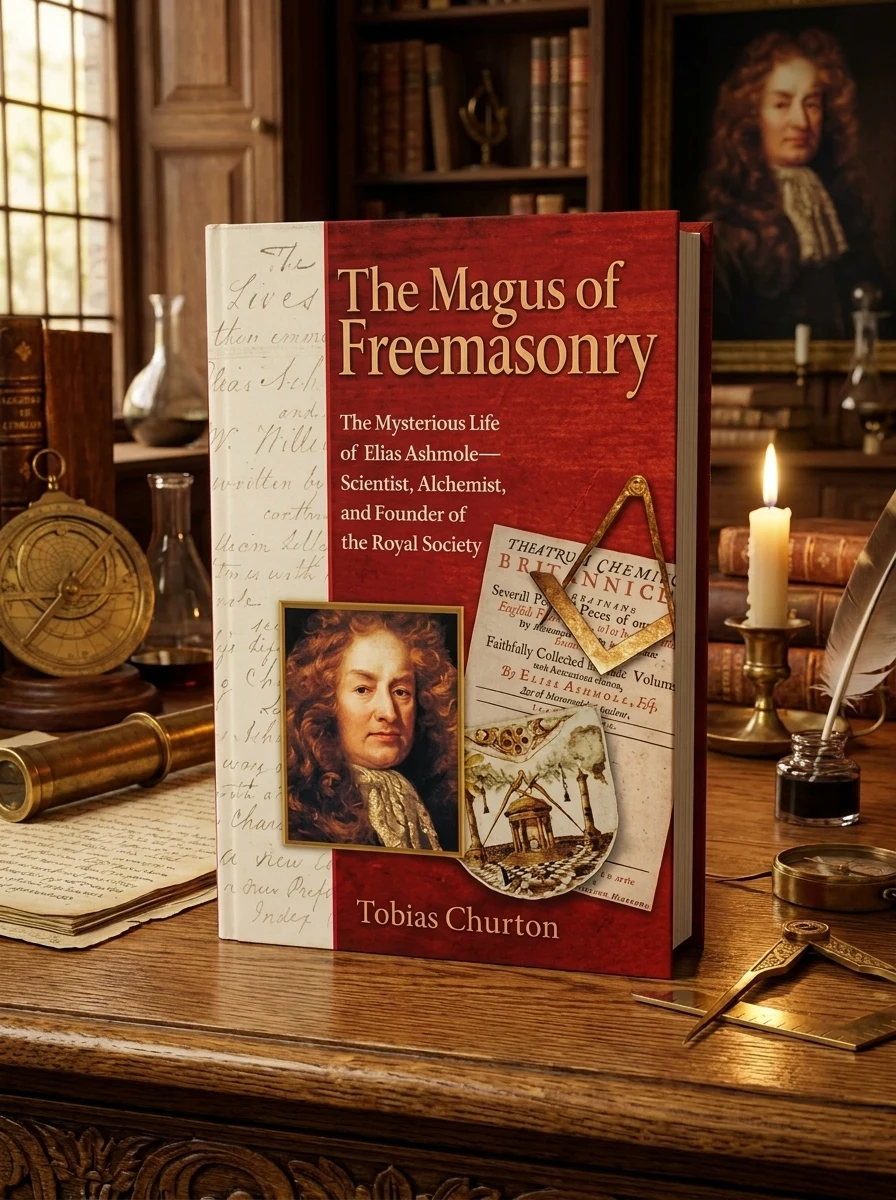
10. The Magus of Freemasonry: The Mysterious Life of Elias Ashmole — Tobias Churton
Churton's biography of Elias Ashmole—scientist, alchemist, and early Freemason—shows how Masonic thought emerged from the intersection of Renaissance magic, alchemy, and early modern science. Ashmole's life is a window into how educated Europeans in the 17th century understood the relationship between material and spiritual knowledge. Churton writes with narrative flair while maintaining scholarly precision. This book works well for readers who enjoy biography and intellectual history as much as esoteric philosophy.
11. Black Freemasonry: From Prince Hall to the Giants of Jazz — Cécile Révauger
This book addresses a crucial gap in most Masonic histories: the story of African American Freemasonry. Révauger traces how Black Masons built their own lodges, maintained the tradition under conditions of systemic racism, and influenced American culture through figures like Duke Ellington and other jazz legends. This is not a supplementary text; it's essential to understanding American Freemasonry as a whole. The book combines rigorous scholarship with compelling narrative, making it accessible to general readers while satisfying historians.
12. American Freemasonry: Its Revolutionary History and Challenging Future — Alain De Keghel, Arturo De Hoyos, and Margaret C. Jacob
This collaborative work examines how Freemasonry shaped American democracy and how it faces challenges in the contemporary world. The authors—historians and Masons—explore the genuine influence of Masonic ideals on the founding generation while avoiding both hagiography and conspiracy thinking. The book's second half, addressing Freemasonry's future, makes it relevant to current debates about secret societies, institutional trust, and esoteric practice in secular culture. This is the most contemporary text on the list and a fitting conclusion to serious study.
How to Choose Your Starting Point
The order above is not necessarily the order you should read. Your starting point depends on what draws you to Freemasonry in the first place.
If you're interested in the philosophy and symbolism: Begin with Freemasonry and Catholicism by Heindel, then move to Rosicrucian and Masonic Origins by Hall. Both are under $20 and assume less prior knowledge than some alternatives.
If you want to understand the actual rituals: Start with Duncan's Ritual, which gives you the concrete details. Then read The Path of Freemasonry by Stavish, De Hoyos, and DuQuette to understand what those rituals mean spiritually.
If you're considering initiation: Read The Path of Freemasonry first, then Esoteric Freemasonry by De Biasi. Both will help you understand what you're committing to.
If you're interested in history and influence: Begin with The Secret History of Freemasonry by Naudon, then read Isaac Newton's Freemasonry and The Magus of Freemasonry by Churton.
If you want the complete picture: Read in this order: Heindel, Naudon, Duncan, Stavish/De Hoyos/DuQuette, Hall, Churchward, De Biasi, Pike (selectively), Bauer, Churton, Révauger, De Keghel/De Hoyos/Jacob. This progression moves from philosophy to history to ritual to deeper esotericism to contemporary application.
What unites all these books is a refusal to treat Freemasonry as either a conspiracy or a relic. They take seriously the possibility that a tradition spanning centuries and continents might contain genuine wisdom worth studying. That's the only prerequisite you need.