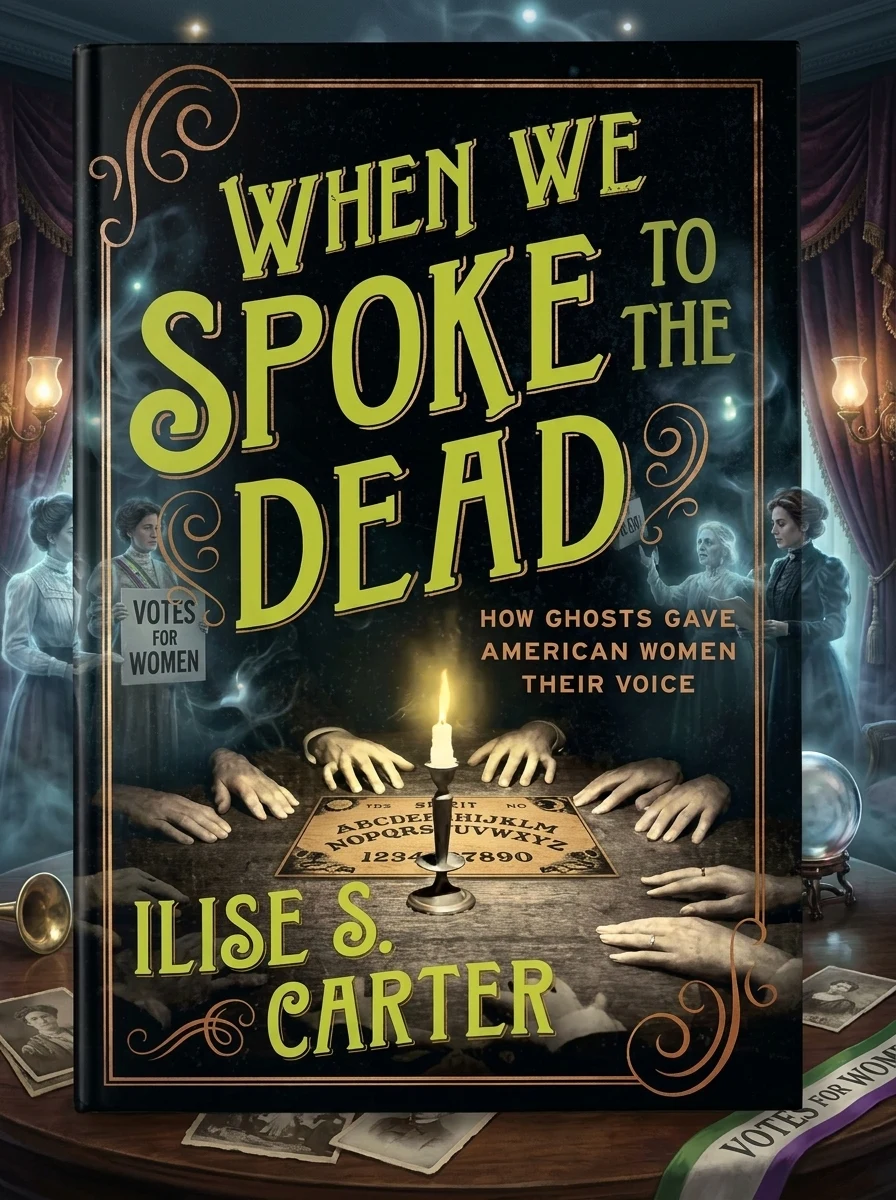
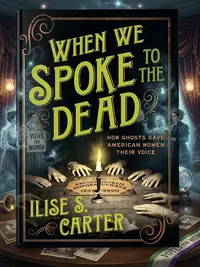
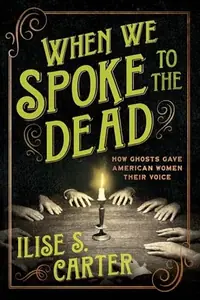
When We Spoke to the Dead: How Ghosts Gave American Women Their Voice


Stock reported in the catalog; fulfillment is confirmed with your request.
When spirits spoke, American women found their revolutionary voices.
This compelling historical inquiry uncovers the fascinating origins of American Spiritualism in the 1840s, sparked by the Fox Sisters' purported communications with the dead. Far from mere parlor entertainment, this movement quickly became a profound socio-political force, offering women an unprecedented platform for expression and influence in a restrictive era. The book meticulously traces how séances became crucibles for radical ideas, attracting a diverse array of suffragists, scientists, and opportunists. It reveals how the lines between faith, fraud, and feminism blurred, forging a legacy that profoundly shapes contemporary obsessions with mysticism, personal empowerment, and the unseen.
This work situates itself within the history of American Spiritualism, exploring how the mid-19th-century movement served as a radical socio-political force for women’s empowerment. It bridges the gap between esoteric practice and feminist historiography, highlighting the intersection of faith and feminism in a restrictive era.


📝 Description: When We Spoke to the Dead: How Ghosts Gave American Women Their Voice
💎 Expert review
📖 Why choose it
Why this book is worth reading
Readers interested in the hidden histories of gender and power will find this book deeply rewarding. It offers a compelling look at how spiritualism provided American women with a revolutionary voice when traditional avenues were closed to them. If you are fascinated by the blurred lines between fraud, faith, and feminism, this text illuminates how séances became crucibles for radical ideas. It is particularly valuable for those who appreciate understanding contemporary obsessions with mysticism through a historical lens. The narrative reveals how figures like suffragists and scientists utilized these spiritual connections to influence society. By tracing the origins of this movement back to the Fox Sisters, the book empowers readers to see past mere parlor entertainment to the profound socio-political impact it wielded. It is an essential read for anyone seeking to understand the complex legacy of women’s expression in the face of societal restrictions.
⭐ Reader reviews
Reader rating
Carter delivers a meticulous historical inquiry that successfully frames spiritualism as a platform for female agency rather than just superstition. The analysis of how lines between faith and fraud blurred provides fresh perspective on suffragists and opportunists alike. However, readers seeking pure supernatural thrill or technical ghost-hunting advice will be disappointed. This is a scholarly exploration of social history, not a guide to the paranormal. Those expecting light entertainment may find the dense socio-political context tedious. It does not suit skeptics who dismiss the movement entirely without engaging with its feminist implications. The focus remains firmly on the historical and political utility of these beliefs for women in the 1840s.
❓ Frequently asked questions
📖 Who should read this
If you are captivated by the intricate intersections of American history, gender studies, and the occult, or seek to understand the often-overlooked feminist roots of spiritual movements, this book will illuminate a pivotal era. It's for anyone curious about how belief shapes culture and provides power.
🎯 Key themes and symbolism
Feminist Awakening
The book brilliantly argues that Spiritualism provided a crucial, often subversive, avenue for women to exert agency and public voice. Through the role of mediums and active participation in séances, women, otherwise marginalized, found a sphere where their pronouncements held authority, challenging patriarchal norms and laying groundwork for broader feminist movements like suffrage.
Cultural Tides
This work explores how the Spiritualist movement permeated every level of American society, influencing politics, science, and popular culture. It delves into the diverse figures drawn to its orbit—from presidents to charlatans, demonstrating how the quest for contact with the afterlife became a mirror reflecting the era's anxieties, hopes, and intellectual currents.
Enduring Mysticism
Connecting Victorian-era spirit communication to modern-day wellness rituals and manifestation trends, the book reveals a continuous thread of American fascination with the supernatural. It illustrates how the pursuit of unseen forces for personal and societal transformation, once condemned, evolved into a pervasive cultural phenomenon, shaping contemporary belief systems.
💬 Quotes from the book
“The rapping table became more than a supernatural phenomenon; it was a resonant stage where women, otherwise silenced, could articulate a burgeoning sense of self and collective agency.”
“From the hallowed halls of political discourse to the intimate, often illicit, spaces of domesticity, Spiritualism wove a tangled web of faith, deception, and revolutionary thought.”
📜 Historical context
📚 Glossary
- Spiritualism
- Séance
- Suffragist
📔 Questions to reflect on
- How did the societal constraints of the 19th century make a movement like Spiritualism particularly appealing to women?
- In what ways do modern 'wellness' or 'manifestation' trends echo the historical quest for unseen power and personal agency?
- Reflect on a time when you or someone you know sought answers or empowerment from unconventional sources; what societal factors might have contributed to that search?
🏛 Books from this publisher Sourcebooks
All books from this publisher →


You might also like
See more →