
Three Monsters
This edition can be ordered. No arrival date is confirmed.
A vibrant fable of wit, transformation, and unexpected alliances, revealing deeper truths about human nature.
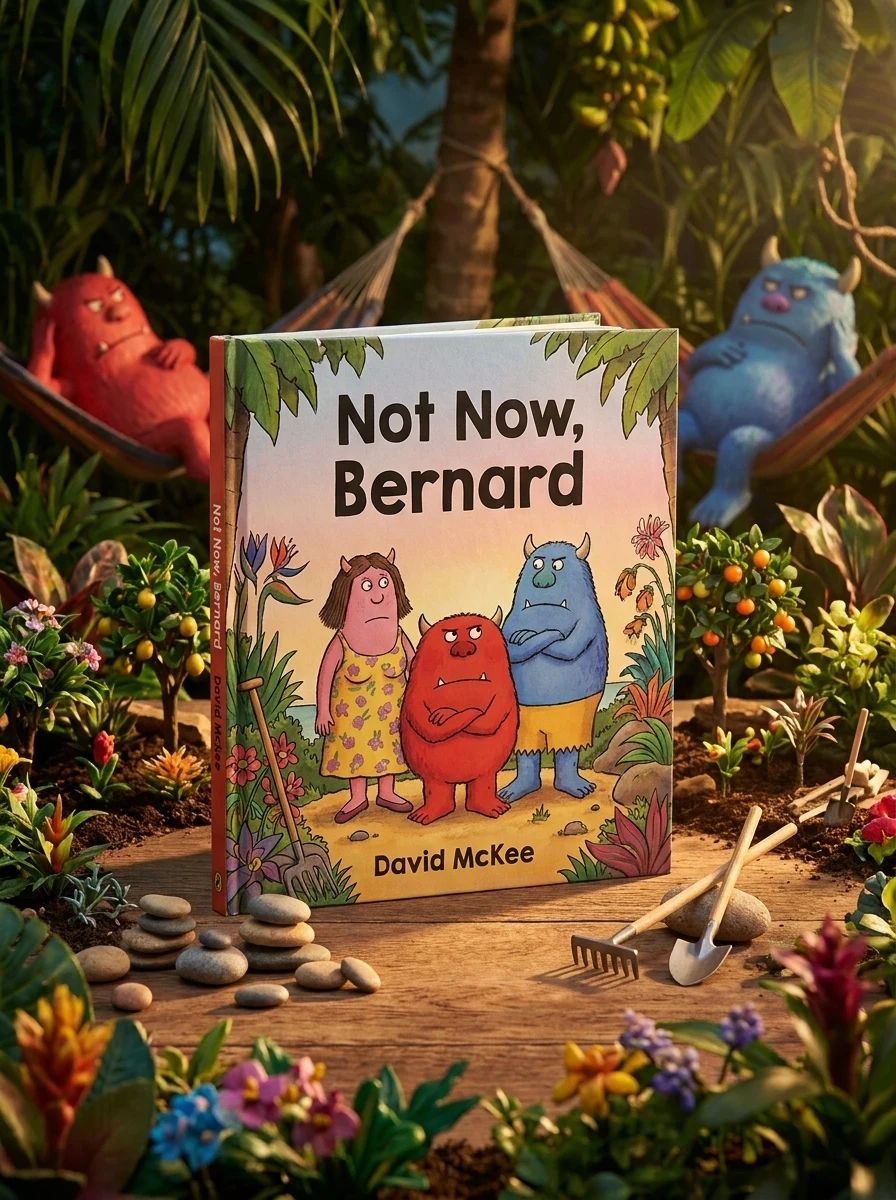
On a seemingly idyllic island, two indolent, established entities—the red and blue monsters—find their comfortable inertia challenged by a vibrant yellow newcomer. This 'foreigner,' with an offer of industrious transformation, seeks only a small claim. What ensues is a masterclass in psychological maneuvering, as the shrewd yellow monster, despite initial reluctance and deceptive intentions, orchestrates a profound metamorphosis of both the land and its inhabitants. McKee crafts a compelling, modern allegory on the subtle arts of negotiation, societal integration, and the surprising pathways to coexistence.
This work belongs to the tradition of modern allegorical fables that utilize vibrant visual storytelling to explore complex sociological and psychological themes. It stands as a contemporary contribution to the genre of philosophical picture books, bridging the gap between children's literature and adult political satire.


📝 Description: Three Monsters
💎 Expert review
📖 Why choose it
Why this book is worth reading
Readers who appreciate subtle social commentary wrapped in accessible storytelling will find this book deeply rewarding. Those interested in the dynamics of negotiation, integration, and societal change will gain a unique perspective through its vibrant narrative. It is ideal for individuals who enjoy allegorical tales that provoke thought without being overtly didactic. The book serves as a gentle yet profound exploration of human nature, making it suitable for both casual readers seeking wit and scholars analyzing modern fables. Its warmth invites repeated readings to uncover the layers of transformation and unexpected alliances described in its summary.
⭐ Reader reviews
Reader rating
While visually striking and intellectually stimulating, this book may not suit readers seeking explicit plot-driven narratives or traditional fantasy elements. It is primarily an allegory reliant on visual metaphor rather than textual exposition, which might frustrate those expecting direct dialogue or detailed world-building. Additionally, the themes of industrialization and displacement are handled with nuance that might be overlooked in a quick glance. However, for those willing to engage with its silent storytelling and psychological depth, it offers a masterclass in conveying complex societal integration through simple, impactful imagery.
❓ Frequently asked questions
📖 Who should read this
If you appreciate fables distilling complex social dynamics into compelling narratives, or seek insights into archetypal power and persuasion, this book offers a deceptively simple yet profound journey. Ideal for those delighting in stories that spark both introspection and genuine amusement.
🎯 Key themes and symbolism
Archetypal Confrontation
McKee sets a primal clash between established indolence and dynamic innovation. The red and blue monsters embody resistance to change, while the yellow represents a transformative force challenging existing paradigms. This compels a re-evaluation of territory and interaction within their shared insular world, illuminating archetypal struggles.
The Art of Influence
This fable explores subtle, potent mechanisms of persuasion and leverage. Witness how the yellow monster, through cunning and strategic action, navigates initial hostility and deceit. It's a study in how perceived weakness can become strength, illustrating the power of consistent effort and indirect influence to reshape expectations and enforce unspoken agreements.
Reclaiming Paradise
Beyond mere land development, the narrative delves into creating a harmonious environment. The yellow monster’s industriousness doesn't just clear rocks; it cultivates a new order. This process symbolizes the alchemical transformation of chaos into cosmos, suggesting that true paradise emerges not from passive inheritance but from active, mindful cultivation and shared responsibility.
💬 Quotes from the book
“Let me have a tiny bit of land for myself and I will clear away your rocks, level your ground, and tidy up your jungle.”
“Custard-colored, cringing creep!”
📜 Historical context
📚 Glossary
- Archetypal Monster
- Modern Fable
- Custard-colored, cringing creep!
📔 Questions to reflect on
- How do the 'lazy' monsters’ initial resistances mirror your own reactions to unexpected change or new influences in your environment?
- Consider the yellow monster’s strategy. What does it teach us about indirect power, perseverance, and achieving goals when faced with opposition?
- In what ways do you see archetypal 'monsters'—or established societal forces—either hindering or facilitating transformation in your own community?
🏛 Books from this publisher Chronicle Books
All books from this publisher →
 91
91
 80
80
 87
87


You might also like
See more →

 91
91