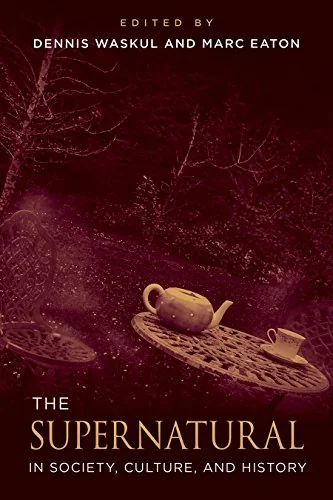
The Supernatural in Society, Culture, and History
Stock reported in the catalog; fulfillment is confirmed with your request.
Beyond fleeting thrills, discover how the supernatural profoundly shapes human history and identity.
This compelling collection challenges conventional academic dismissal of the supernatural, asserting its undeniable influence on human civilization. Edited by Waskul, it brings together diverse perspectives—from folklore researchers to sociologists and mystics—to explore how experiences with the uncanny have not only endured but actively molded our collective past and individual identities. Through rigorous ethnographic studies and historical analysis, the contributors argue that belief in the supernatural isn't mere superstition; it's a fundamental force that continues to inform daily life and deserves serious consideration as an integral part of our social fabric.
This volume sits at the intersection of sociology and esoteric studies, bridging the gap between academic rigor and occult inquiry by validating supernatural experiences as central to social history. It challenges the secular dismissal of the uncanny, positioning belief systems as fundamental forces rather than mere superstition within the broader tapestry of human civilization.


📝 Description: The Supernatural in Society, Culture, and History
💎 Expert review
📖 Why choose it
Why this book is worth reading
This book is essential for scholars, practitioners, and curious minds who seek to understand the deep structural role of the supernatural in human existence. It appeals to those tired of dismissive academic narratives that relegate belief to mere error or psychology. By weaving together folklore, sociology, and mysticism, it offers a robust framework for seeing how uncanny experiences actively mold identity and society. Readers who value rigorous ethnographic study alongside historical analysis will find profound validation here. It is not just about ghost stories; it is about how the unseen shapes the seen, providing a vital perspective for anyone interested in the true roots of cultural behavior and collective history.
⭐ Reader reviews
Reader rating
Waskul’s collection is a formidable intellectual exercise that demands attention from readers willing to engage with dense sociological theory and ethnographic data. It will likely frustrate those seeking simple paranormal anecdotes or quick spiritual fixes, as it prioritizes academic validation over entertainment. The text is rigorous, potentially dry for casual enthusiasts, and firmly rooted in scholarly discourse rather than mystical revelation. However, for those committed to understanding the supernatural as a serious social force, it offers indispensable insights. It does not suit readers looking for lighthearted reading or those who strictly adhere to materialist explanations of reality.
❓ Frequently asked questions
📖 Who should read this
For serious students of folklore, sociology, or cultural studies, and anyone fascinated by the unexplained, this book offers a profound re-evaluation. It’s for readers ready to acknowledge the supernatural’s tangible, historical, and daily impact on humanity.
🎯 Key themes and symbolism
Supernatural as Social Force
This volume asserts that beliefs in the uncanny are far from trivial. It highlights how supernatural narratives and experiences aren't just cultural curiosities but potent forces that have consistently shaped societal structures, moral frameworks, and community bonds throughout history, demanding serious scholarly attention rather than dismissal.
Diverse Perspectives on Uncanny
Rejecting a single lens, the book embraces a rich tapestry of viewpoints. It compiles insights from ethnographers documenting lived experiences, sociologists analyzing historical impact, and those deeply immersed in mystical traditions. This multidisciplinary approach offers a comprehensive and nuanced understanding of supernatural phenomena across various cultural contexts.
Persistent Influence on Identity
Far from being relics of the past, the supernatural is presented here as a dynamic, ongoing presence. The text illustrates how encounters and beliefs in the uncanny continue to profoundly influence individual perceptions, guide daily choices, and forge personal and collective identities in contemporary society, making it an indelible part of the human experience.
💬 Quotes from the book
“To dismiss the supernatural as mere fantasy is to ignore its undeniable historical footprint and its persistent shaping of human consciousness and social structures.”
“By integrating ethnographic accounts with sociological analysis, we reveal how the uncanny isn't an anomaly, but an intrinsic, vibrant thread woven into the fabric of daily life.”
📜 Historical context
📚 Glossary
- Ethnography
- The Uncanny
- Mysticism
📔 Questions to reflect on
- What supernatural beliefs have shaped your own cultural background or community? How do these influence daily life or worldview?
- Consider an instance where a belief in the uncanny, even if personally disbelieved, has impacted a historical event or societal norm.
- How might academic disciplines better integrate the study of subjective spiritual or supernatural experiences without resorting to dismissal or reductionism?
You might also like
See more →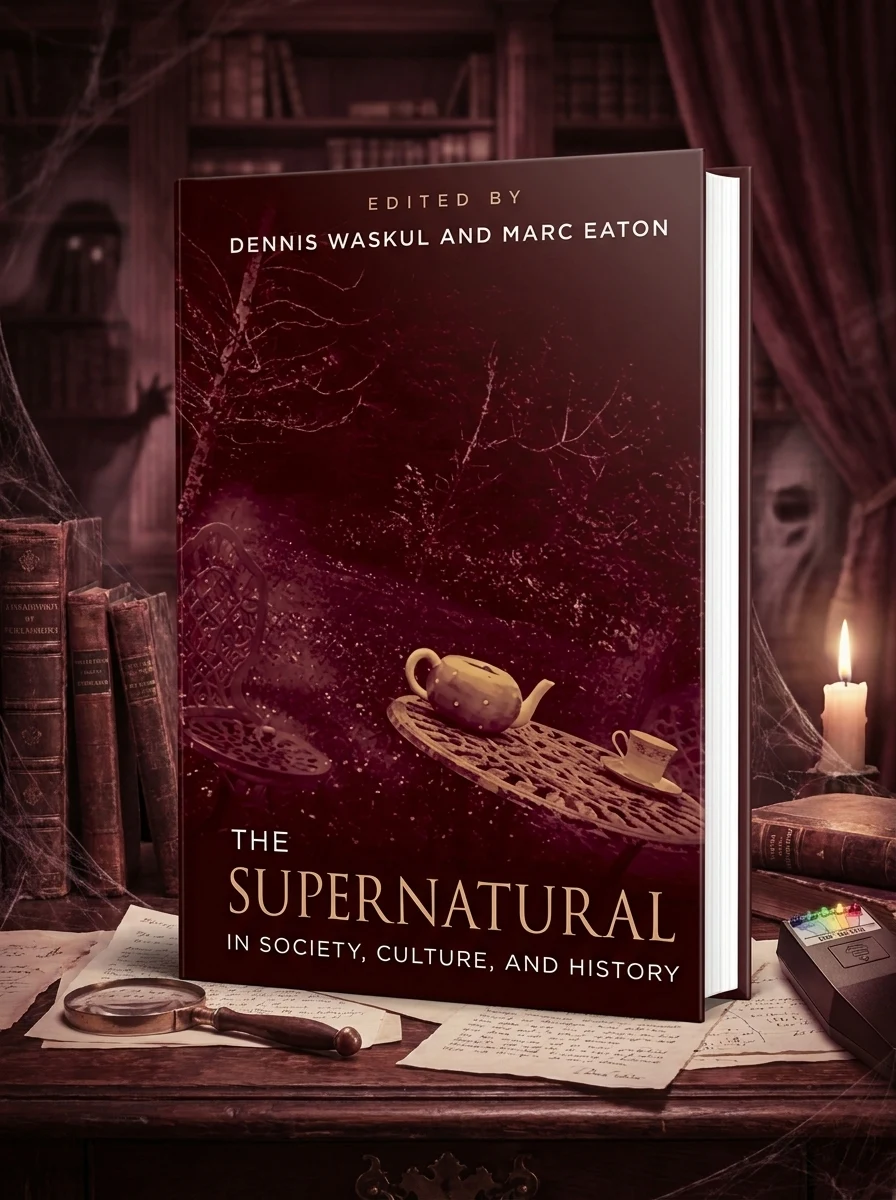
 91
91

 91
91