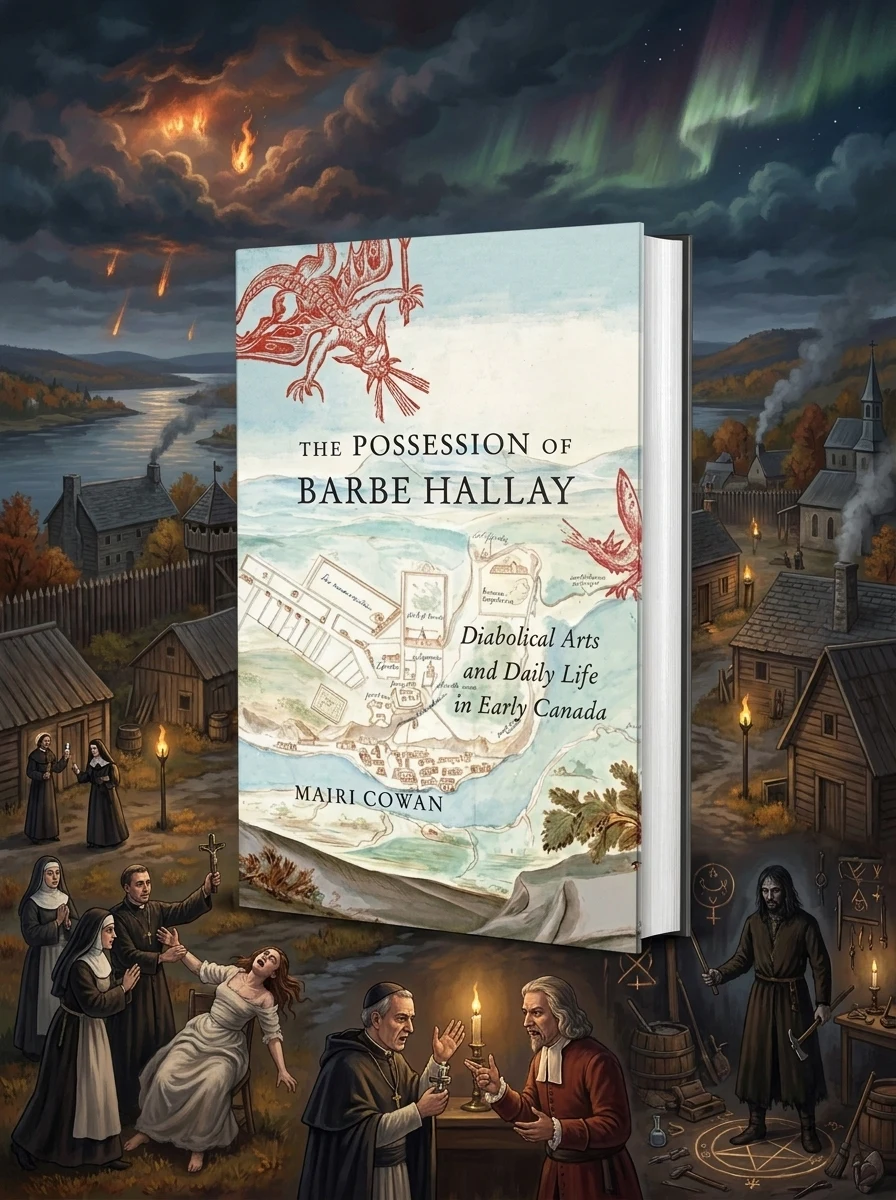
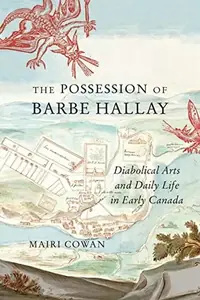
The Possession of Barbe Hallay: Diabolical Arts and Daily Life in Early Canada - Ingram Academic Cowan, Mairi
Cowan, Mairi 89
89
 Editorial score
How we rate
Editorial score
How we rate
This edition can be ordered. No arrival date is confirmed.
Sky omens in 1660 Quebec sparked a witchcraft panic that exposed the colony's fragile social order.
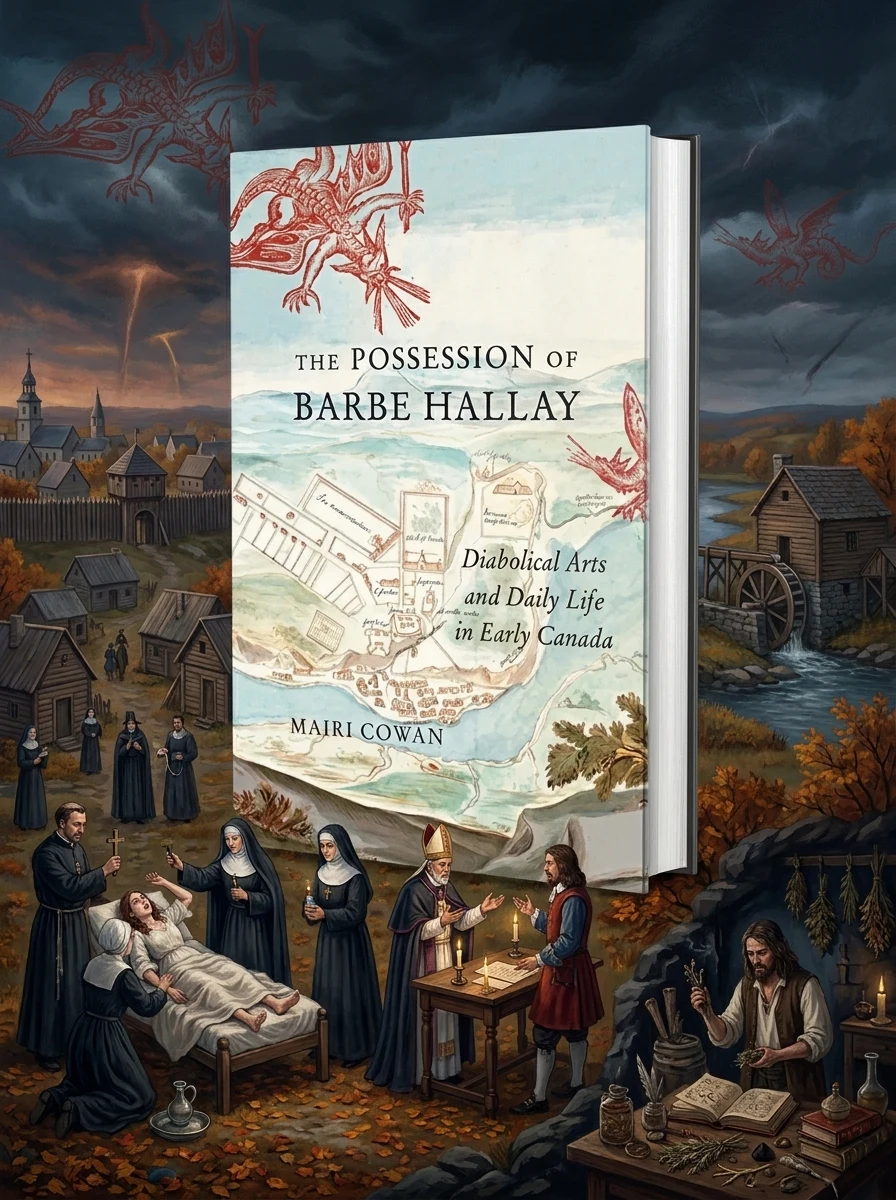
Mairi Cowan resurrects the haunting 1660 case of Barbe Hallay, a teenage servant whose alleged demonic possession ignited a colonial crisis. Amidst celestial portents, New France’s residents grappled with the terrifying possibility of indigenous evil. The narrative details the chaotic interplay between pious rituals, political maneuvering, and judicial execution. Cowan uses this pivotal moment to dissect the era’s profound anxieties regarding gender, authority, and the tenuous boundary between divine protection and diabolical influence in a frontier society.
This work situates the 1660 Quebec witchcraft panic within the broader tradition of colonial history and the study of early modern European anxieties regarding indigenous evil and gendered authority. It explores how celestial portents and demonic possession narratives served as lenses for examining the fragile social order of New France.


📝 Description: The Possession of Barbe Hallay: Diabolical Arts and Daily Life in Early Canada - Ingram Academic Cowan, Mairi
💎 Expert review
📖 Why choose it
Why this book is worth reading
Readers fascinated by the intersection of theology, politics, and daily life in frontier societies will find this book invaluable. Cowan’s narrative resurrects a pivotal moment where celestial omens triggered a profound crisis, revealing deep-seated fears about gender and divine protection. It is essential for those interested in how colonial authorities managed chaos through judicial execution and pious rituals. By dissecting the tenuous boundary between diabolical influence and societal control, the book offers a nuanced understanding of early Canadian identity and the terrifying possibilities that shaped its formation.
⭐ Reader reviews
Reader rating
This has been on my wishlist for months. The print is clean and easy on the eyes for long sessions. My only regret is not ordering it sooner.
This edition finally does the material justice. The symbolism is layered and generous to patient readers. It pairs well with more modern commentaries on the same tradition.
Cowan delivers a rigorous academic examination of the Barbe Hallay case, weaving together celestial events, political maneuvering, and judicial outcomes. While compelling for historians of New France and scholars of gendered authority, it may frustrate readers seeking a straightforward supernatural thriller or casual entertainment. The dense focus on colonial social order and theological anxieties requires patience. It is not suited for those who prefer light reading or unverified ghost stories; rather, it demands engagement with complex historical forces and the fragile psyche of a frontier society grappling with the unknown.
❓ Frequently asked questions
📖 Who should read this
Scholars of early modern demonology, historians of New France, and readers interested in the intersection of gender politics and religious hysteria. It appeals to those who enjoy deep dives into how historical fears shaped legal and social structures in colonial societies.
🎯 Key themes and symbolism
Gender and Spiritual Authority
The text explores how women’s traditional healing roles clashed with ecclesiastical control. Barbe’s body became a contested site where male clergy and officials fought to define legitimate spiritual power, revealing deep-seated fears about female autonomy and knowledge outside established church structures.
Political and Religious Friction
Cowan illustrates the tension between the Bishop and the Governor during the investigation. This conflict highlights the struggle for control over moral and legal jurisdictions in New France, showing how political ambitions often overshadowed genuine spiritual concern in handling accusations of witchcraft and heresy.
Frontier Anxiety and Demonology
The work examines how settlers projected their deepest fears onto the unknown. Celestial signs and supernatural claims served as metaphors for the instability of colonial life, demonstrating how demonology provided a framework for understanding misfortune, social disorder, and the perceived fragility of their new world.
💬 Quotes from the book
“The sky became a mirror for the colony's internal fractures.”
“Rituals replaced reason in the face of the unknown.”
📜 Historical context
📚 Glossary
- New France
- Demonology
- Ecclesiastical Authority
📔 Questions to reflect on
- How did the community's reaction to Barbe Hallay reveal their deepest fears about social order?
- In what ways did the conflict between the Bishop and Governor reflect broader power struggles in colonial society?
- How did the concept of 'possession' serve as a tool for controlling female behavior and autonomy?
✍️ More books by this author Cowan, Mairi
All books by this author →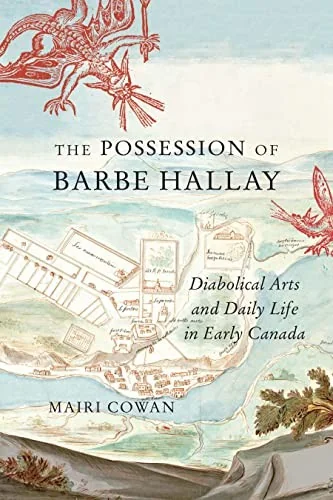
🏛 Books from this publisher McGill-Queen's University Press
All books from this publisher →
You might also like
See more →