The Legend of Dracula Sabatino, Michael


This edition can be ordered. No arrival date is confirmed.
Unearth the chilling truth behind the world's most famous vampire and his real-life inspiration.
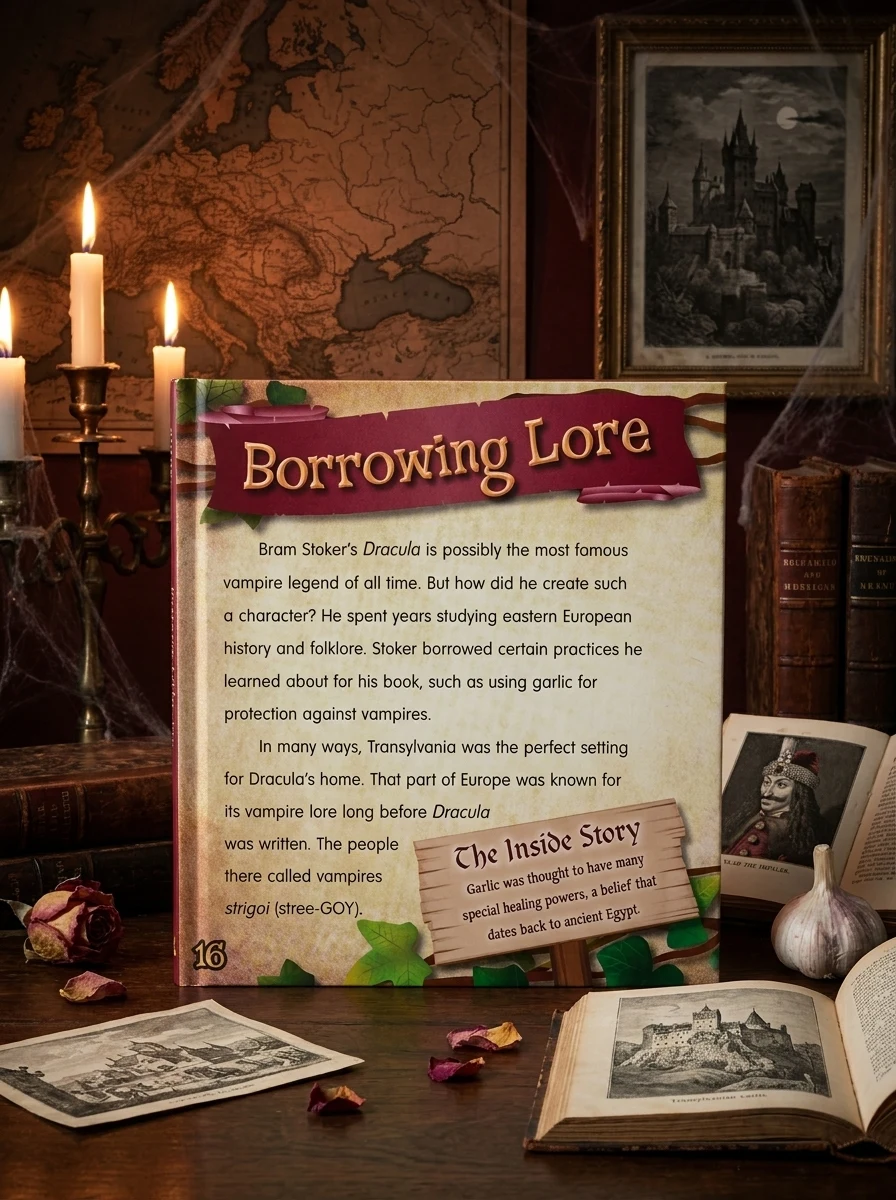
This compelling volume for young readers meticulously separates the fantastical legend of Dracula from the brutal historical figure who inspired it. Michael Sabatino guides us through the shadowy origins of Bram Stoker's iconic monster, delving into the actual life and notorious reputation of Vlad III, a 15th-century Romanian prince known for his grim methods. Beyond Vlad, the book explores ancient vampire folklore and examines how Dracula's myth has profoundly influenced modern popular culture, all enhanced by evocative illustrations that perfectly capture the mood.
This volume sits firmly within the tradition of historical non-fiction for young adults, exploring the intersection of folklore and documented history regarding the Dracula mythos.


📝 Description: The Legend of Dracula Sabatino, Michael
💎 Expert review
📖 Why choose it
Why this book is worth reading
Young readers fascinated by the chilling legend of Dracula will find this book to be an essential guide that separates fact from fiction. Michael Sabatino offers a compelling journey through the shadowy origins of Bram Stoker’s iconic monster, grounding the fantasy in the brutal reality of Vlad III. It is perfect for those who enjoy learning about historical figures with notorious reputations and want to understand how ancient vampire folklore evolved into modern pop culture phenomena. The evocative illustrations enhance the mood, making it an engaging and accessible entry point for students or casual readers eager to uncover the truth behind the world's most famous vampire without wading through dense academic texts.
⭐ Reader reviews
Reader rating
This title serves as a clear, concise introduction to the Dracula legend for younger audiences, effectively distinguishing between Bram Stoker’s fiction and Vlad III’s historical brutality. Sabatino’s narrative is straightforward, supported by illustrations that capture the eerie atmosphere appropriately for the target demographic. It succeeds in its goal of educating young readers about folklore origins and cultural influence. However, readers seeking deep literary analysis of Stoker’s novel or extensive military history regarding 15th-century Romanian princes will likely find this work too superficial. It is not suitable for those looking for complex scholarly debates or adult-oriented horror narratives.
❓ Frequently asked questions
📖 Who should read this
If you're a curious young reader fascinated by creepy tales, medieval history, or the origins of famous monsters, this book is for you. Uncover the real history behind the myths you thought you knew, presented in an engaging and accessible way.
🎯 Key themes and symbolism
Myth vs. Reality
The book meticulously unpacks the distinction between Bram Stoker's fictional vampire count and the historical Wallachian prince, Vlad III. It clarifies what aspects of the legend are pure invention and which are rooted in the documented, albeit gruesome, actions of a medieval ruler, offering a clear comparison for young minds.
Historical Figures & Folklore
Readers will discover the true story of Vlad the Impaler, exploring his life in the 1400s and the grisly reputation that made him a legendary figure. Alongside this historical account, the book traces the older, diverse traditions of vampire myths that existed long before Stoker's novel, providing a rich cultural context.
Cultural Impact of Dracula
This section examines how the character of Dracula, both in his literary and cinematic forms, has permeated global popular culture. It highlights the enduring fascination with the vampire archetype and how Stoker's creation continues to shape our understanding of horror and the supernatural, influencing countless stories and media.
💬 Quotes from the book
“The bloodthirsty creature in the 1897 novel was a terrifying invention, but the real prince was a figure of historical dread.”
“Long before Bram Stoker put pen to paper, whispers of the undead haunted villages across Europe.”
📜 Historical context
📚 Glossary
- Vampire
- Transylvania
- Vlad III
📔 Questions to reflect on
- Before reading, what did you already know or believe about Dracula? How has this book changed your understanding?
- If you could ask Vlad III one question about his life or reputation, what would it be and why?
- Think about another famous monster or legendary figure. What might be the real-life historical or cultural roots behind their story?
🏛 Books from this publisher Gareth Stevens Publishing
All books from this publisher →