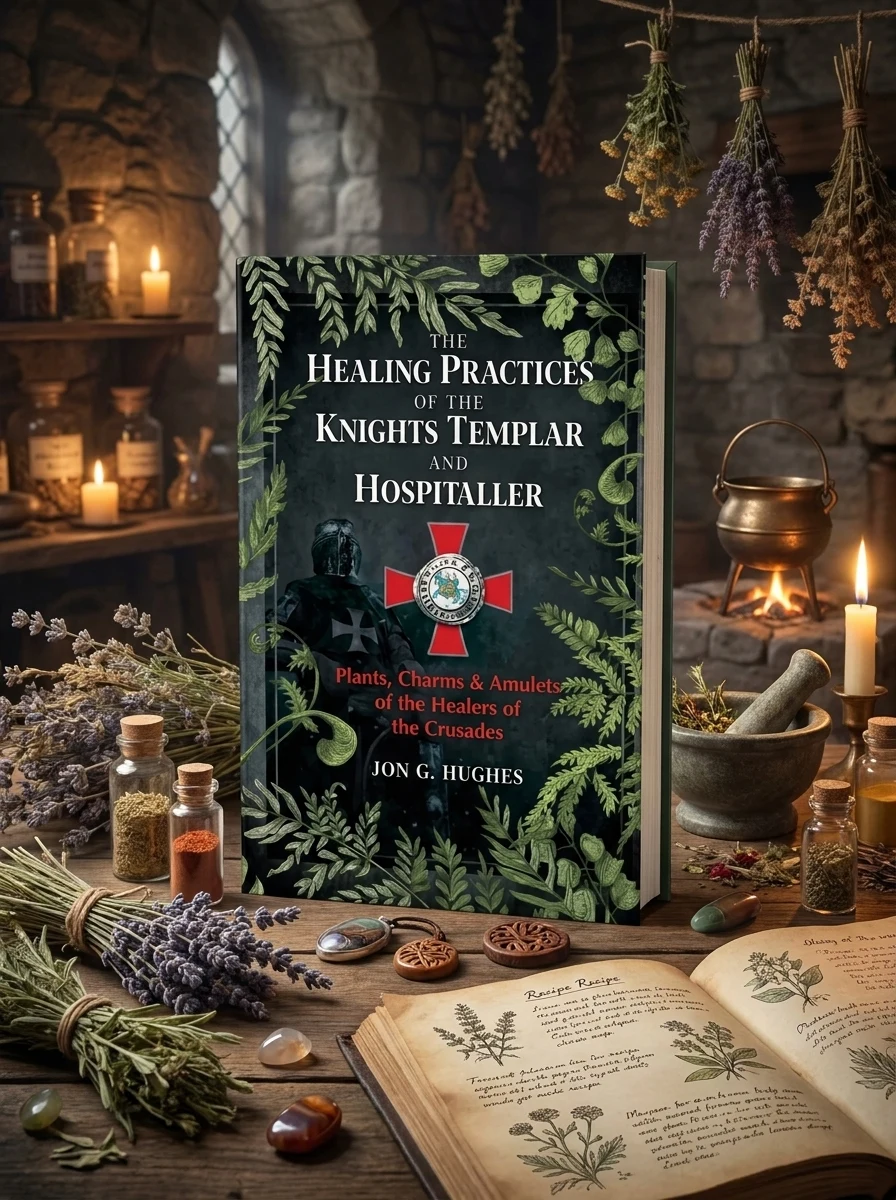
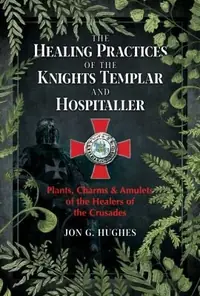
The Healing Practices of the Knights Templar and Hospitaller: Plants, Charms, and Amulets of the Healers of the Crusades
Hughes, Jon G

This edition can be ordered. No arrival date is confirmed.
Unearth the ancient healing secrets of the Knights Templar and Hospitaller.
Step into the forgotten world of Crusader mediciners, exploring their diverse healing methods. This volume meticulously documents the remedies and practices employed by the monastic healers accompanying the Templar and Hospitaller knights. It unveils a traditional 'leechbook' of the era, detailing common ailments faced on crusade and the ingenious, often plant-based, cures devised. Discover a fascinating fusion of medieval European medical knowledge, local folk wisdom, and sophisticated Arabic healing traditions, all meticulously researched and presented.
This work explores the intersection of military monasticism and medieval medicine during the Crusades, highlighting the syncretic blend of European, Arabic, and folk healing traditions employed by the Templars and Hospitallers.


📝 Description: The Healing Practices of the Knights Templar and Hospitaller: Plants, Charms, and Amulets of the Healers of the Crusades
💎 Expert review
📖 Why choose it
Why this book is worth reading
Readers fascinated by the hidden, practical lives of medieval warriors will find this volume a captivating glimpse into the daily reality of Crusader life. It is ideal for those interested in the history of medicine who want to see how knowledge traveled across cultures during the Crusades. The book appeals to enthusiasts of esoteric practices, offering a look at charms and amulets often overlooked in standard military histories. If you enjoy discovering how ancient wisdom was preserved and adapted in harsh environments, this meticulous documentation of plant-based remedies and leechbooks will satisfy your curiosity about the ingenuity of historical healers who served alongside the knights.
⭐ Reader reviews
Reader rating
Hughes provides a well-researched account of the medical practices behind the Crusades, effectively bridging the gap between military history and ethnobotany. The fusion of Arabic and European traditions is presented with clarity, making complex historical medical concepts accessible to general readers. However, those seeking dramatic battle narratives or theological debates will find this text dry and overly focused on mundane healing details. It is not suitable for readers who prefer speculative fiction or purely spiritual occultism without historical grounding. While the depth of research is commendable, the focus on practical remedies may feel repetitive to those expecting a broader sociopolitical analysis of the monastic orders.
❓ Frequently asked questions
📖 Who should read this
If you're fascinated by historical medicine, the practical arts of herbalism, or the esoteric traditions of the Crusader orders, this book is for you. Uncover the forgotten healing wisdom that sustained knights and pilgrims alike.
🎯 Key themes and symbolism
Medieval Medical Lore
This book delves into the specific medical knowledge and practices prevalent during the Crusades, showcasing the practical skills of monastic healers. It explores how these mediciners, serving orders like the Templars, adapted traditional European remedies to the harsh realities and diverse illnesses encountered in the Holy Land, offering a rare glimpse into their daily challenges and solutions.
Cross-Cultural Healing
The text illuminates the profound exchange of medical knowledge between East and West. It reveals how Crusader physicians integrated indigenous folk remedies and advanced Arabic medical techniques with their existing European practices, creating a unique synthesis. This blending of traditions is presented as a crucial aspect of their efficacy and innovation, offering a rich tapestry of historical medical collaboration.
Practical Herbal Apothecary
Beyond theory, the book functions as a comprehensive guide to the plants, charms, and amulets used for healing. It details a wide array of herbal remedies, providing specific recipes for potions, elixirs, and salves. Readers will find an extensive catalog of medicinal plants and materials, essential for understanding the practical application of Crusader-era pharmacology and traditional herbalism.
💬 Quotes from the book
“For the affliction of ague, take a decoction of wormwood and rue, steeped in wine, and administer thrice daily, observing the patient for changes in humour.”
“The desert's wisdom, often dismissed by European scholars, held remedies for maladies unknown in our colder climes, particularly in the treatment of sunstroke and dysentery, knowledge gained from the local Bedouin.”
📜 Historical context
📚 Glossary
- Leechbook
- Hospitaller
- Unction
📔 Questions to reflect on
- Reflect on how the necessity of healing in a foreign land might have spurred innovation among medieval mediciners. What lessons can we draw for modern holistic health?
- Consider the blend of European, Arabic, and local healing traditions. How might such cross-cultural exchange enrich our understanding of wellness today?
- If you were a Hospitaller mediciner, which plant or remedy would you prioritize for its versatility and why? Describe its preparation and intended use.
✍️ More books by this author Hughes, Jon G
All books by this author →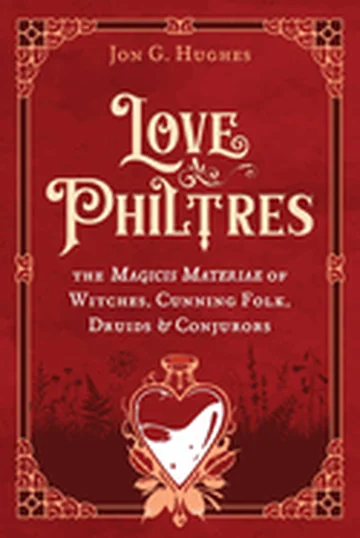
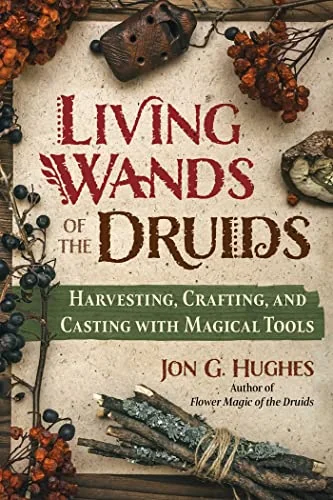
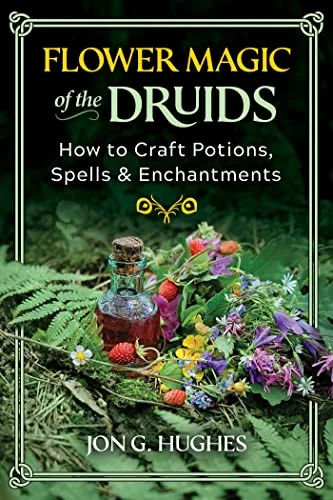
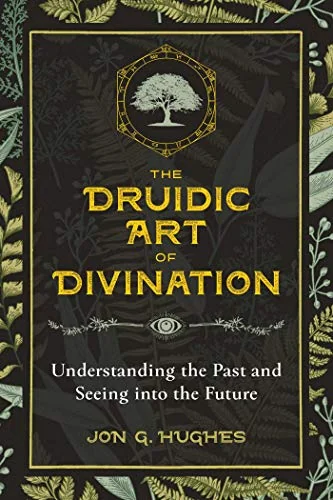
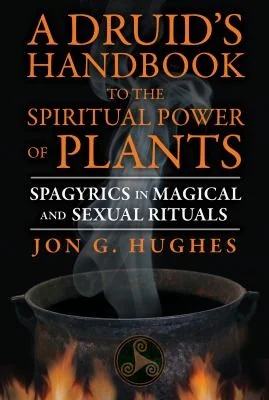
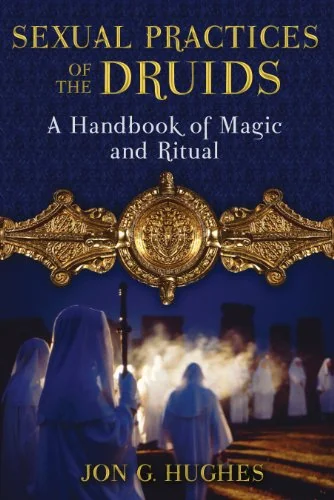
🏛 Books from this publisher Destiny Books
All books from this publisher →





You might also like
See more →

![The Phoenix Cards: Reading and Interpreting Past-Life Influences with the Phoenix Deck [With Book] (Revised)](/img/the-phoenix-cards-reading-and-interpreting-past-life-influences-with-the-phoenix-deck-with-book-revi-scene.webp)