The Ghost That Haunted Itself
This edition can be ordered. No arrival date is confirmed.
Edinburgh's most notorious cemetery harbors a horror that defies all understanding.
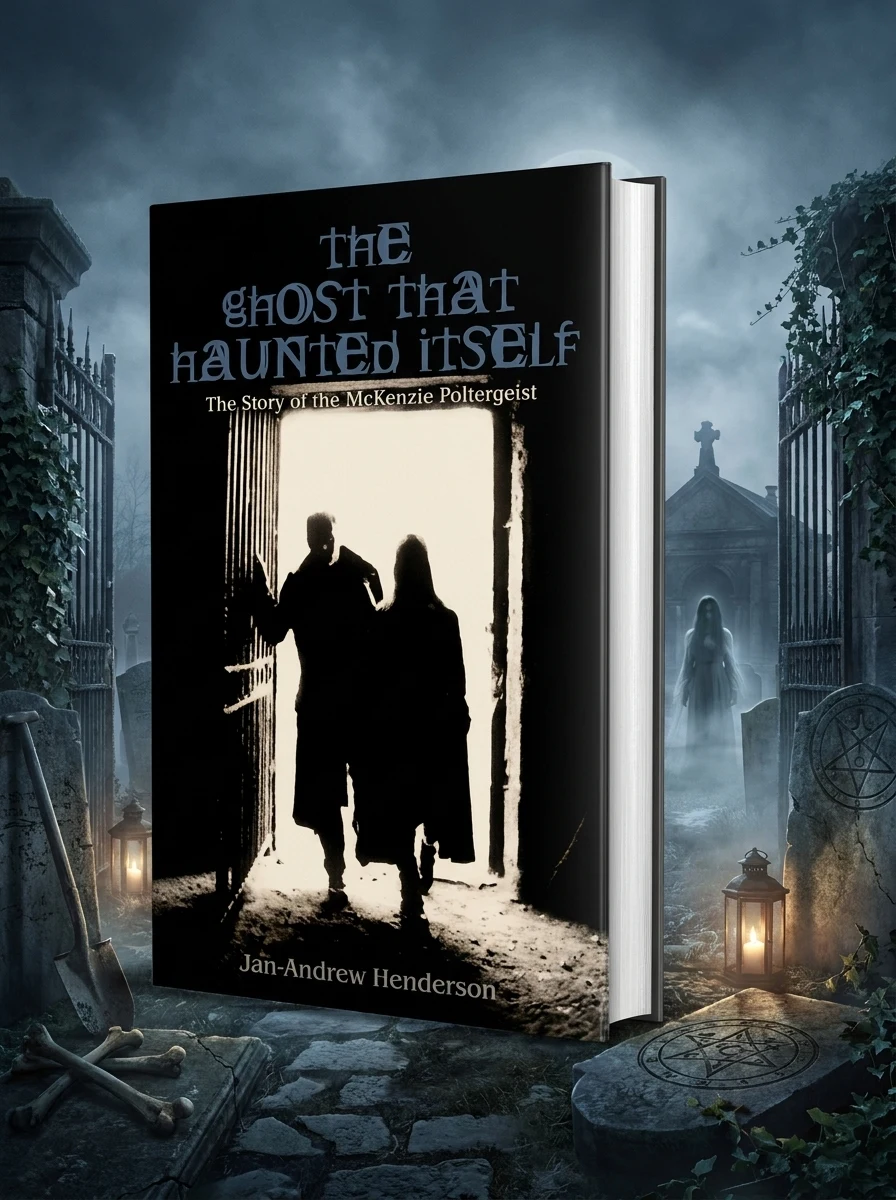
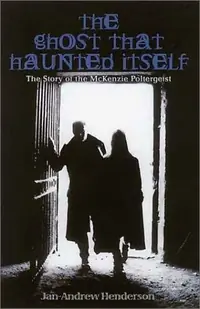
Step into the chilling depths of Greyfriar's Cemetery, a place steeped in centuries of grim history, from the dark arts of witchcraft to the desecration of the dead. Jan Henderson masterfully weaves a tale around its notorious past, including tales of body-snatching, the horror of live burial, and the unsettling discovery of discarded corpses. But the true mystery begins in 1998, when a wholly unprecedented and inexplicable phenomenon begins to manifest, challenging the very notion of what it means to be haunted. This novel invites readers to uncover the spectral enigma at the heart of this ancient, cursed ground.
This work anchors itself within the rich tradition of British ghost stories and paranormal non-fiction, specifically leveraging the well-documented eerie reputation of Edinburgh’s Greyfriar's Cemetery. It bridges the gap between historical accounts of dark arts and body-snatching with contemporary supernatural mystery.


📝 Description: The Ghost That Haunted Itself
💎 Expert review
📖 Why choose it
Why this book is worth reading
Readers drawn to the intersection of grim history and unexplained phenomena will find this book deeply compelling. It offers a unique narrative experience by focusing on an unprecedented spectral enigma that challenges traditional notions of hauntings. Those fascinated by Edinburgh’s dark past, particularly its ties to witchcraft and desecration, will appreciate the atmospheric depth provided by Jan Henderson. The story does not rely on standard tropes but instead invites a deeper inquiry into the nature of the cursed ground itself. It is ideal for those who enjoy mysteries that feel grounded in real-world locations yet expand into the inexplicable, providing a chilling exploration of what it truly means to be haunted without resorting to simple scares.
⭐ Reader reviews
Reader rating
Jan Henderson delivers a distinct entry in the occult genre by focusing on Greyfriar's Cemetery’s notorious history. While the foundation of body-snatching and live burial horror provides excellent texture, the core appeal lies in the 1998 phenomenon that defies understanding. However, this book may not suit readers seeking traditional jump-scare horror or fast-paced thriller elements. It is a slower, more contemplative exploration of spectral anomalies. If you prefer straightforward ghost stories with clear resolutions, this elusive narrative might feel frustratingly open-ended. It is best suited for those who enjoy atmospheric dread and intellectual curiosity regarding the paranormal rather than visceral terror.
❓ Frequently asked questions
📖 Who should read this
If you are captivated by tales of historical horror, atmospheric gothic fiction, and paranormal mysteries that defy easy explanation, then Jan Henderson's work is an essential read for you. Prepare to be unnerved by a unique take on spectral phenomena.
🎯 Key themes and symbolism
Historical Macabre
The book meticulously explores the true, horrifying history of Greyfriar's Cemetery, detailing its grim legacy of witchcraft trials, grave robbing, and other unspeakable acts. It underscores how the weight of past atrocities can permeate a location, creating an atmosphere ripe for the supernatural to emerge from its bloody foundations.
Paradoxical Haunting
At its core, the narrative delves into the perplexing concept of a 'ghost that haunted itself.' This theme challenges traditional understandings of specters and their origins, suggesting a form of residual energy or self-perpetuating terror that is both unique and deeply unsettling, born from the very fabric of the location's suffering.
Edinburgh's Dark Heart
Edinburgh itself, particularly its historic Old Town, becomes a character in this story. The book evokes the city's ancient, shadowy alleys and its gothic architecture, using the atmospheric backdrop of Greyfriar's to amplify the sense of dread and mystery, illustrating how a place can hold onto its darkest memories.
💬 Quotes from the book
“The stones of Greyfriar's do not merely remember; they actively bleed the past, staining the present with whispers of forgotten cruelties.”
“How does one flee a terror that emanates not from an outside entity, but from the very ground beneath your feet, a specter born of its own suffering?”
📜 Historical context
📚 Glossary
- Greyfriar's Cemetery
- Body-snatching
- Live burial
📔 Questions to reflect on
- Consider places you've visited that felt heavy with history. How might the past 'haunt' a location, even without a traditional ghost?
- What does the concept of a 'ghost that haunts itself' imply about the nature of fear, trauma, and residual energy within a place?
- How do historical atrocities, like those at Greyfriar's, contribute to the enduring folklore and perceived supernatural activity of a site?
You might also like
See more →
 91
91