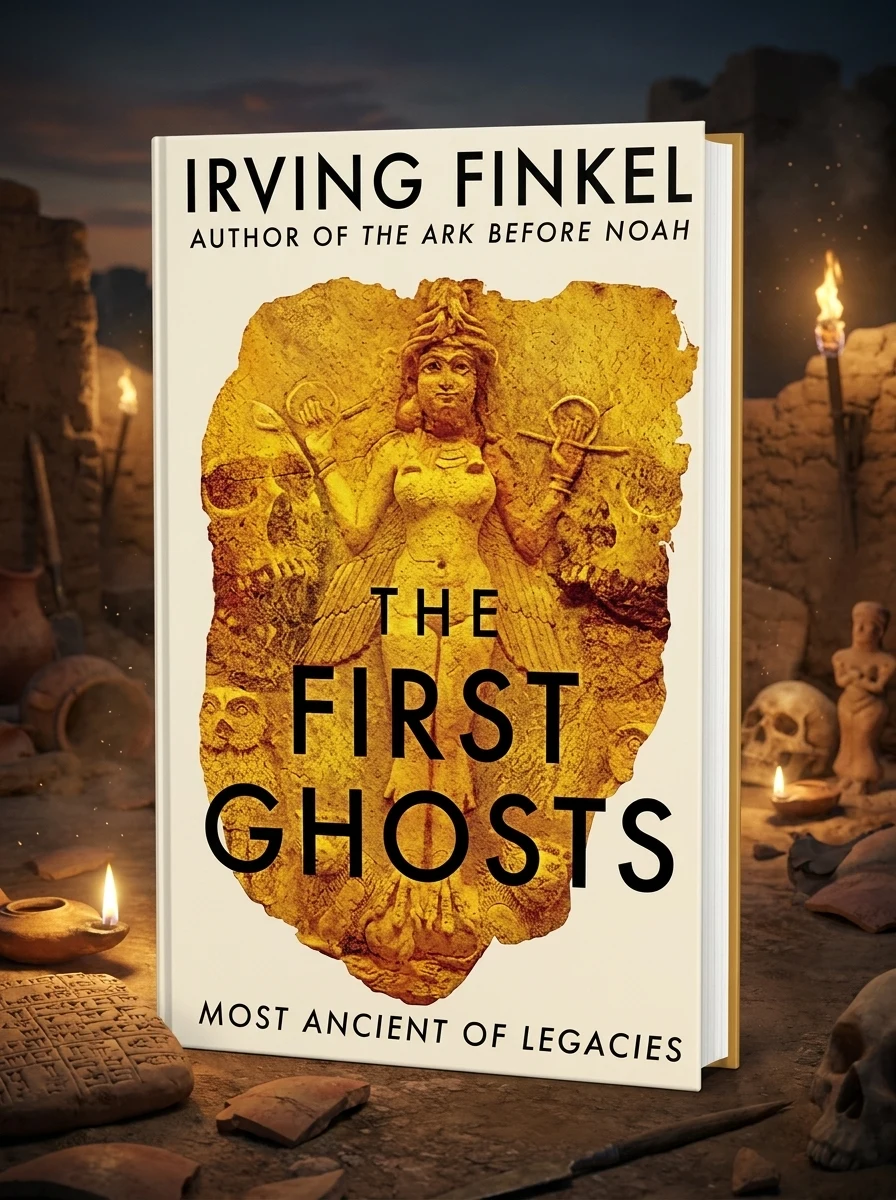
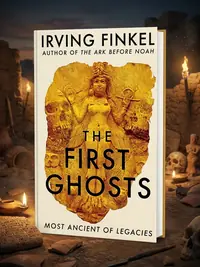
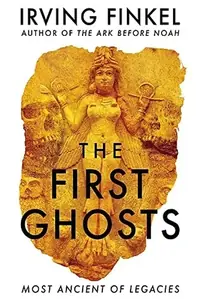
The First Ghosts: Most Ancient of Legacies
Stock reported in the catalog; fulfillment is confirmed with your request.
Uncover the Mesopotamian roots of the ghost, before Shakespeare or Gothic horror ever cast a shadow.
Irving Finkel, a renowned expert at the British Museum, guides us back to the cradle of civilization to explore humanity's earliest encounters with the dead. This volume moves beyond Victorian superstition, revealing how ancient Mesopotamians understood spirits not merely as scary tales, but as integral parts of daily life, ritual, and cosmic order. Through accessible scholarship and compelling narrative, the book demonstrates that our fascination with the unseen is a shared, ancient legacy. It is a scholarly yet deeply humanistic look at how the first civilizations negotiated their relationship with the afterlife, proving that the ghost is as old as culture itself.
This work situates the concept of the ghost within its true historical origin in ancient Mesopotamia, challenging the common association of spiritualism with Victorian superstition or Gothic literature. It explores how early civilizations viewed spirits as integral to daily ritual and cosmic order rather than mere fearsome tales.


📝 Description: The First Ghosts: Most Ancient of Legacies
💎 Expert review
📖 Why choose it
Why this book is worth reading
Readers fascinated by the deep historical roots of supernatural beliefs will find this book incredibly rewarding. Irving Finkel’s accessible scholarship offers a refreshing departure from modern horror tropes, revealing how ancient Mesopotamians integrated spirits into their everyday existence and cosmic understanding. It is perfect for those who enjoy humanistic history that bridges the gap between academic rigor and narrative warmth. By tracing the ghost back to its cradle, you gain a profound appreciation for the shared, ancient legacy of our fascination with the unseen. This volume proves that our relationship with the afterlife is as old as culture itself, offering a comforting yet enlightening perspective on humanity's oldest fears and rituals.
⭐ Reader reviews
Reader rating
Been hunting for a decent copy of this text for ages. A text you study rather than simply read. Solid, if not essential.
I collect works on this subject and this is a worthy addition. It rewards patience more than any book I've bought this year. The ideas are old but land with surprising force today. My only quibble is the cover feels thinner than expected. Recommended with reservations.
Honestly wasn't sure what to expect, but I'm impressed. I appreciated how the argument builds steadily from first principles. Will be gifting a copy to a friend.
Ordered this after seeing it referenced in another book I was studying. Some sections stopped me cold in the best way. Recommended if you're ready to do the work.
Finkel delivers a compelling narrative that successfully demystifies the ghost by rooting it in tangible Mesopotamian history rather than Victorian fear. The writing is scholarly yet deeply humanistic, making complex archaeological insights feel personal and relevant. However, this book does not suit readers seeking thrilling horror stories or those who prefer speculative fiction over historical analysis. It may also disappoint those expecting a purely religious text focused on specific dogmas, as it deals with cultural history rather than theology. Ultimately, it is a vital contribution for anyone interested in how the first civilizations negotiated their relationship with death, proving the ghost is an enduring part of our collective legacy.
❓ Frequently asked questions
📖 Who should read this
Readers fascinated by the intersection of archaeology and mythology, or anyone curious about why we are universally drawn to stories of the dead across all eras.
🎯 Key themes and symbolism
Mesopotamian spirituality
ancient death rituals
origins of the supernatural
💬 Quotes from the book
“Ghosts inhabit something of the very essence of what it is to be human.”
“Their origins are much, much older than the vengeful apparitions of Shakespeare.”
📜 Historical context
📚 Glossary
- Ekimmu
- Kur
- Nisroch
📔 Questions to reflect on
- When you imagine the afterlife, what imagery comes to mind? How might that differ from the dusty, shadowy underworld described by the Sumerians?
- Consider a ritual in your own culture that honors the dead. What purpose does it serve for the living?
- If you could ask a spirit from the ancient world one question, what would it be, and why?
🏛 Books from this publisher Hodder & Stoughton
All books from this publisher →
You might also like
See more →
 91
91

 91
91