Ted Serios: The Mind's Eye
Stock reported in the catalog; fulfillment is confirmed with your request.
Can the deepest recesses of the mind imprint reality onto film?
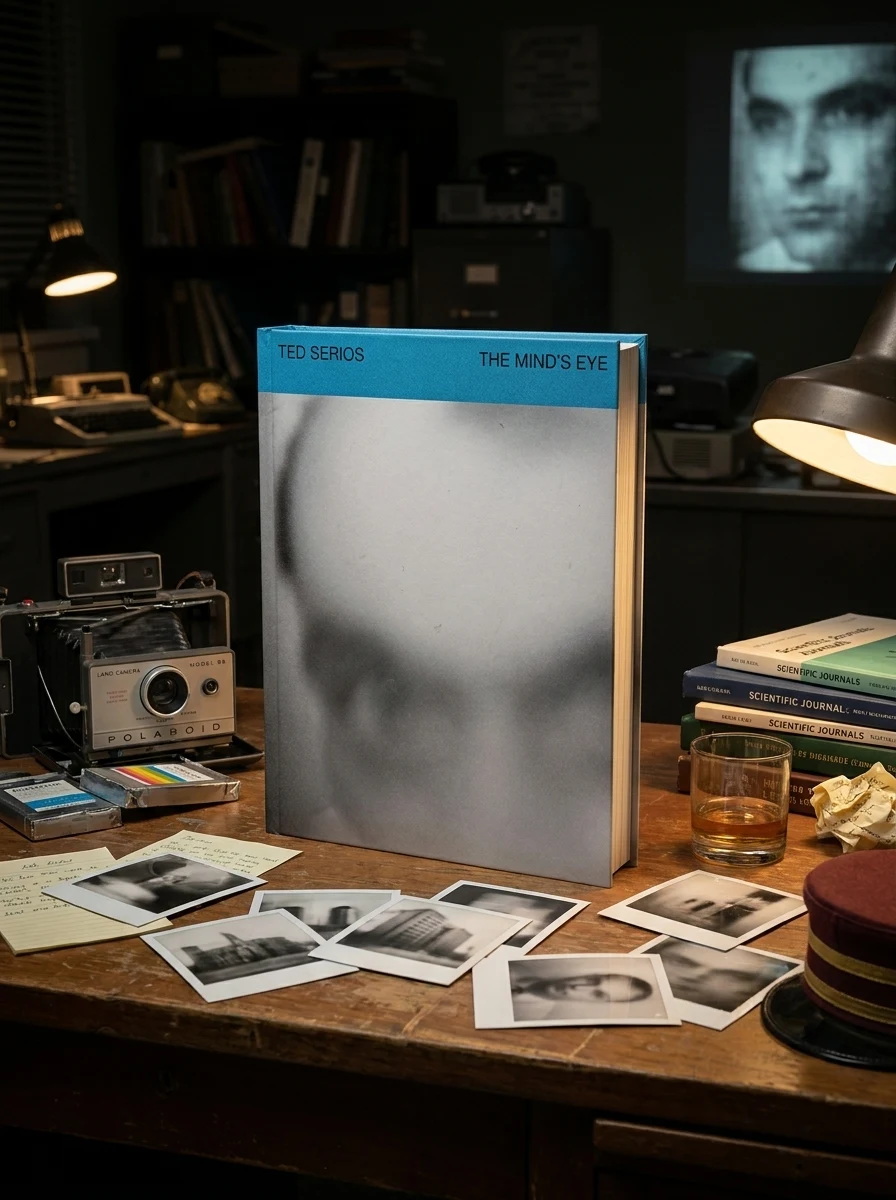
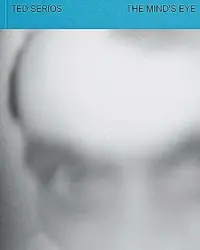
Step into the enigmatic world of Ted Serios, a Chicago bellhop who, in the 1960s, claimed to project mental images directly onto photographic film. This compelling volume delves into Serios's extraordinary demonstrations of "thoughtography," meticulously documented by psychiatrist Dr. Jule Eisenbud. With over a thousand anomalous photographs produced, Serios's abilities remain a fascinating, unresolved puzzle, neither definitively proven nor entirely debunked. The book masterfully situates this perplexing phenomenon within the cultural and technological zeitgeist of mid-century America, exploring the complex interplay of belief, science, and the limits of perception.
This volume explores the intersection of mid-century American culture and the era's fascination with psychic phenomena, situating Ted Serios's thoughtography within a specific technological and scientific zeitgeist.


📝 Description: Ted Serios: The Mind's Eye
💎 Expert review
📖 Why choose it
Why this book is worth reading
Readers intrigued by the liminal space between psychology and paranormal claims will find this book deeply engaging. It offers a rare, meticulously documented look at Ted Serios’s controversial demonstrations of thoughtography, guided by psychiatrist Dr. Jule Eisenbud. This is not just a collection of images but an intellectual journey into how belief systems interact with scientific inquiry during the 1960s. Those who enjoy unresolved mysteries and the historical context of esoteric movements will appreciate the nuanced exploration of perception limits. It serves as a vital resource for understanding how mid-century society grappled with the potential of the mind to influence physical reality, making it essential for collectors of occult history and curious minds alike.
⭐ Reader reviews
Reader rating
This work stands as a compelling archive of anomalous photography rather than a definitive proof of psychic ability. It is ideal for scholars of parapsychology and historians of mid-century culture who appreciate complex, unresolved puzzles. However, readers seeking hard scientific validation or debunking may find the ambiguous conclusion frustrating. It does not suit those looking for straightforward explanations or simple occult instruction. The book’s strength lies in its cultural analysis and documentation of Serios's process, yet it demands patience from skeptics and believers alike. It is a thoughtful examination of perception rather than a manifesto, requiring an open mind to fully appreciate its subtle arguments regarding the intersection of technology and the human psyche.
❓ Frequently asked questions
📖 Who should read this
If you're captivated by the fringes of human consciousness, the history of parapsychology, or the intersection of photography and the unknown, this book offers a deep, nuanced dive. Prepare to question what you believe possible, exploring a pivotal, unresolved chapter in psychic investigation.
🎯 Key themes and symbolism
Psychic Photography's Enigma
The core of this book explores Ted Serios's astounding purported ability to transfer mental imagery onto undeveloped Polaroid film. It meticulously details the methods, the results, and the persistent questions surrounding these unique photographs, inviting readers to ponder the very nature of consciousness and its potential interaction with the physical world.
Belief, Science, and Doubt
Far from seeking a definitive verdict, the book expertly navigates the tension between scientific inquiry and outright skepticism. It examines how Serios's work was both rigorously tested and met with profound doubt, reflecting a broader societal struggle to reconcile seemingly impossible phenomena with established understanding, particularly in the realm of psychic claims.
The Sixties' Shifting Realities
This work contextualizes Serios's story within the tumultuous and experimental cultural landscape of 1960s America. It explores how societal anxieties, evolving technologies, Cold War influences, and a burgeoning interest in the esoteric created fertile ground for phenomena like thoughtography, highlighting the era's unique blend of scientific ambition and spiritual curiosity.
💬 Quotes from the book
“The camera, that ostensibly objective observer, became a canvas for the unseen, a canvas where the mind's raw data sought physical form.”
“In the cultural crucible of the 1960s, the line between scientific curiosity and outright charlatanism was often as blurry as Serios's own 'thoughtographs.'”
📜 Historical context
📚 Glossary
- Thoughtography
- Psychic Phenomena
- Parapsychology
📔 Questions to reflect on
- How do you personally define the boundary between genuine psychic ability and elaborate deception? Where does Serios's case fall for you, and why?
- Consider the role of technology (Polaroid film) in the Serios phenomenon. How might the medium itself have influenced both the perceived reality and the interpretation of his 'thoughtographs'?
- The book suggests Serios is an 'uncomfortable knot in time.' What societal or scientific discomforts might his story still provoke today, decades later?
You might also like
See more →
 91
91