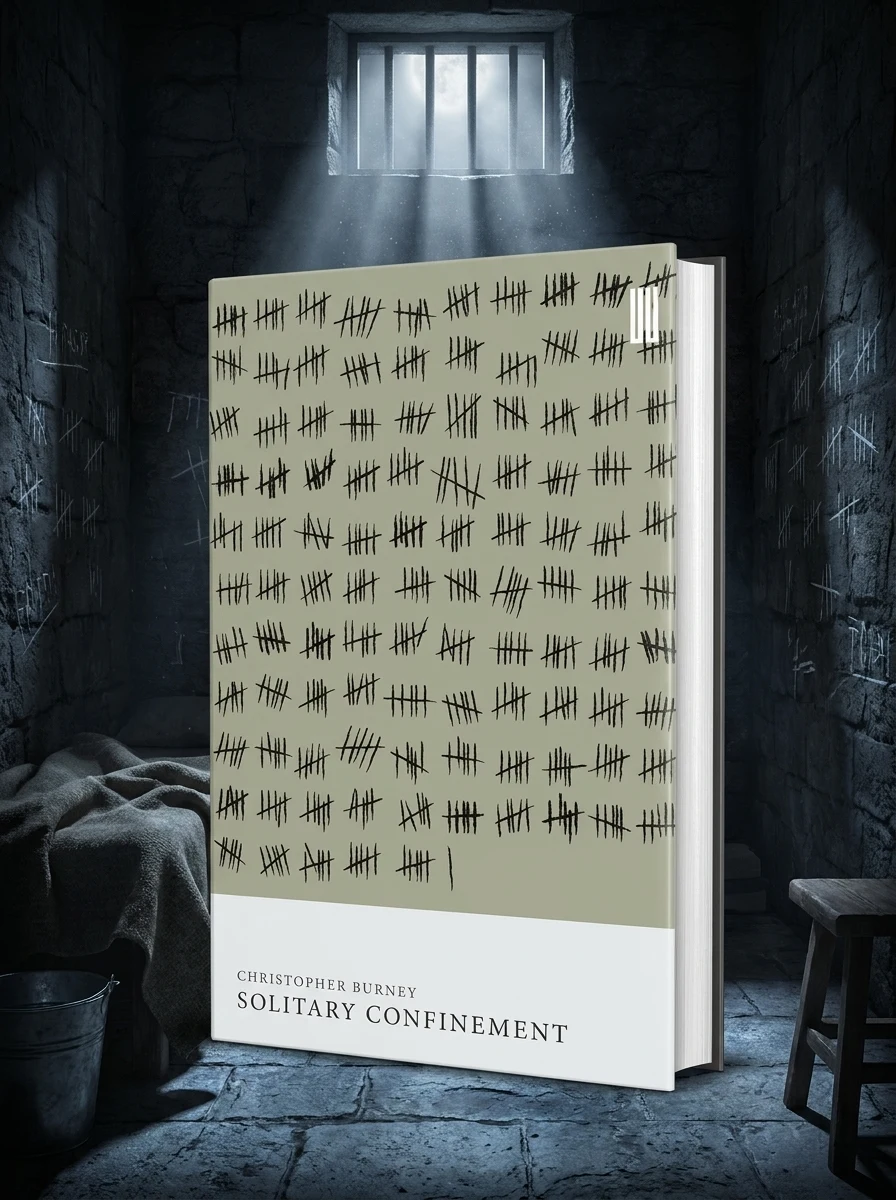
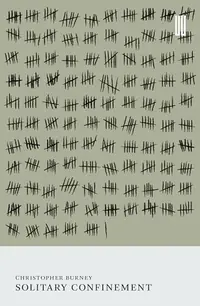
Solitary Confinement


Stock reported in the catalog; fulfillment is confirmed with your request.
Discover profound resilience forged in silence and unimaginable duress.
Captured by the Gestapo in wartime France, British agent Christopher Burney endured an astonishing 526 days in solitary confinement. Stripped of all external stimuli, he meticulously cultivated an internal regimen of thought and spirit. This extraordinary autobiography details his journey from utter isolation to developing an unyielding inner strength, a fortitude that later sustained him through the horrors of Buchenwald. Long overlooked, this powerful account offers profound insights into the human capacity for survival and the transformative power of the mind.
This work sits at the intersection of wartime memoir and esoteric self-mastery, reflecting the mid-century interest in the mind's capacity to transcend physical suffering through disciplined internal practice.


📝 Description: Solitary Confinement
💎 Expert review
📖 Why choose it
Why this book is worth reading
This book is essential for readers seeking to understand the depths of human resilience under extreme duress. It offers a profound exploration of how silence and isolation can be transformed into a crucible for spiritual and mental fortitude. Those interested in the practical application of inner discipline, particularly within the context of survival against overwhelming odds, will find immense value here. The narrative provides not just a historical account but a manual for cultivating an unyielding spirit when external support is stripped away. It speaks to anyone who has faced profound isolation or seeks to harness the transformative power of the mind in the face of unimaginable hardship.
⭐ Reader reviews
Reader rating
Burney’s account is a stark testament to the human will, detailing his survival through meticulous internal cultivation during Gestapo captivity and subsequent horrors. While intellectually rigorous and emotionally heavy, it may not suit readers seeking light entertainment or quick gratification. The narrative demands patience, focusing on the slow, arduous process of mental endurance rather than action-packed espionage. Those uncomfortable with prolonged periods of psychological introspection or grim historical realities might find the tone too austere. However, for those willing to engage with its serious subject matter, it offers a rare and powerful insight into the limits of human suffering and the potential for inner liberation.
❓ Frequently asked questions
📖 Who should read this
For seekers of profound inner wisdom, those navigating personal trials, or anyone fascinated by the limits of human endurance. This book offers more than history; it's a guide to forging an indomitable spirit in the face of overwhelming odds.
🎯 Key themes and symbolism
Inner Fortitude's Genesis
Burney's narrative isn't merely about physical survival but the deliberate construction of an impregnable mental sanctuary. He meticulously details the cognitive and spiritual practices he employed to maintain sanity and purpose in an environment designed to break the human spirit, showcasing resilience born of extreme adversity.
Solitude's Transformative Crucible
Far from being a mere account of deprivation, this work explores how absolute isolation can become a catalyst for profound self-discovery. Burney demonstrates that without external distractions, the mind is compelled inward, revealing both its vulnerabilities and its astonishing potential for growth and spiritual awakening.
Contemplative Survival Strategies
The book illuminates how Burney adopted and developed a unique, almost monastic, approach to his confinement. His conscious engagement with mindfulness, memory, and philosophical reflection became his primary tools for psychological endurance, transforming passive suffering into an active, internal quest for meaning and strength.
💬 Quotes from the book
“The cell became my universe, its four walls the boundaries of an internal expedition. I learned that true freedom resided not in escape, but in the mastery of one's own mind.”
“Every thought was a choice, every memory a tool. To simply exist was to surrender; to actively engage with my consciousness was to resist the void.”
📜 Historical context
📚 Glossary
- Gestapo
- Buchenwald
- Contemplative Literature
📔 Questions to reflect on
- Reflect on a time you faced significant isolation. How did you cope, and what internal strategies did you employ to maintain your well-being?
- Burney found strength in mental discipline. What daily practices could you adopt to cultivate greater inner resilience in your own life, even without extreme conditions?
- Consider the idea that true freedom can be found within, regardless of external circumstances. How does this concept resonate with your understanding of personal liberty?
You might also like
See more →