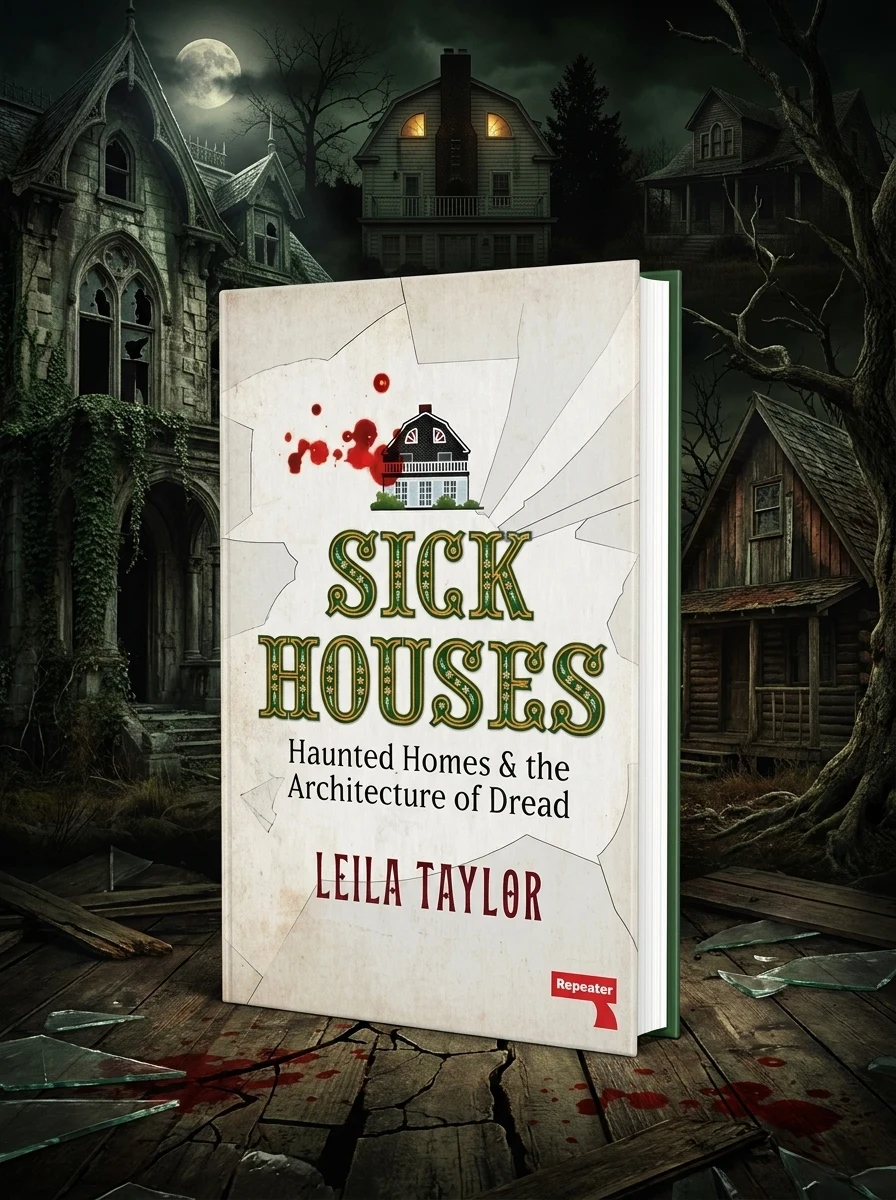
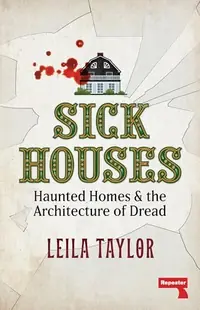
Sick Houses: Haunted Homes and the Architecture of Dread
Stock reported in the catalog; fulfillment is confirmed with your request.
Explore how our most intimate shelters become sites of profound, architectural terror.
Leila Taylor's "Sick Houses" meticulously dissects the unsettling phenomenon of dwellings imbued with malevolent presence. This insightful volume delves into how various architectural forms transform from sanctuaries into sources of profound dread, becoming silent witnesses and active participants in the horrors they contain. Through a compelling analysis of cinematic, literary, and real-world examples, Taylor explores the psychological impact of uncanny domestic spaces, from infamous haunted homes to the most isolated cabins. It’s an essential read for anyone fascinated by the unsettling truth that our most intimate shelters can harbor our greatest fears, revealing how the very structure of a home can become a vessel for terror.
This work sits firmly within the contemporary renaissance of architectural criticism and horror studies, examining the intersection of built environments and psychological dread. It aligns with modern esoteric inquiries into how physical spaces influence spiritual and emotional states.


📝 Description: Sick Houses: Haunted Homes and the Architecture of Dread
💎 Expert review
📖 Why choose it
Why this book is worth reading
Readers fascinated by the psychological nuances of domestic spaces will find this book profoundly resonant. Leila Taylor offers a meticulous dissection of how sanctuaries transform into sources of dread, appealing to those who view homes not just as structures but as active participants in horror. It is essential for enthusiasts of uncanny architecture, cinematic analysis, and literary exploration of haunted dwellings. If you are intrigued by the idea that our intimate shelters harbor our greatest fears and want to understand the architectural vessels of terror, this insightful volume provides a compelling framework for understanding these unsettling truths.
⭐ Reader reviews
Reader rating
Taylor’s analysis is intellectually rigorous, bridging cinematic, literary, and real-world examples to explore the architecture of dread. However, readers seeking straightforward ghost stories or paranormal investigation guides will likely find this too academic and theoretical. It does not suit those looking for quick thrills or practical advice on exorcising homes. Instead, it demands patience and an interest in structural symbolism. While brilliant for scholars of horror aesthetics, casual fans of the genre may find the dense focus on architectural form and psychological impact less engaging than traditional narrative-driven ghost tales.
❓ Frequently asked questions
📖 Who should read this
If you've ever felt a shiver in an old house, or pondered why certain buildings just *feel* wrong, this book is for you. Dive deep into the unsettling psychology of architectural spaces that refuse to be mere backdrops, demanding your attention as active participants in dread.
🎯 Key themes and symbolism
Architecture of Dread
This theme examines how specific design elements and structural forms contribute to feelings of unease and menace within domestic settings. It explores how seemingly innocuous spaces can be reinterpreted as oppressive or threatening through historical context and narrative, making the building itself a character of horror.
Subverting the Home
Taylor investigates the psychological inversion where the concept of home, traditionally a place of safety and comfort, is corrupted. This theme analyzes how horror narratives exploit our primal need for sanctuary, turning the domestic sphere into a profound source of terror and vulnerability, undermining our most basic sense of security.
Cultural Horror Vessels
This section analyzes how houses in popular culture—film, literature, and television—function as symbolic containers for societal anxieties and historical trauma. It delves into the reasons why audiences are perpetually drawn to tales of haunted dwellings, reflecting broader cultural fears and the collective unconscious's fascination with unsettling spaces.
💬 Quotes from the book
“The truly terrifying home is never merely a backdrop; it is a co-conspirator in every whispered fear and every chilling event.”
“Our deepest dread often blossoms in the very spaces designed for our solace, transforming sanctuary into psychological prison.”
📜 Historical context
📚 Glossary
- Uncanny
- Liminal Space
- Genius Loci
📔 Questions to reflect on
- Think about a building that made you feel distinctly uneasy or uncomfortable. What specific architectural elements, materials, or even its perceived history do you believe contributed to that feeling?
- Consider a horror film or book where the house itself felt like a central character. How did its design, layout, or historical narrative influence the plot and your emotional response?
- In what ways do you believe our collective anxieties about privacy, safety, and the unknown are reflected in the cultural depictions of 'sick houses' in media today?
You might also like
See more →



 91
91