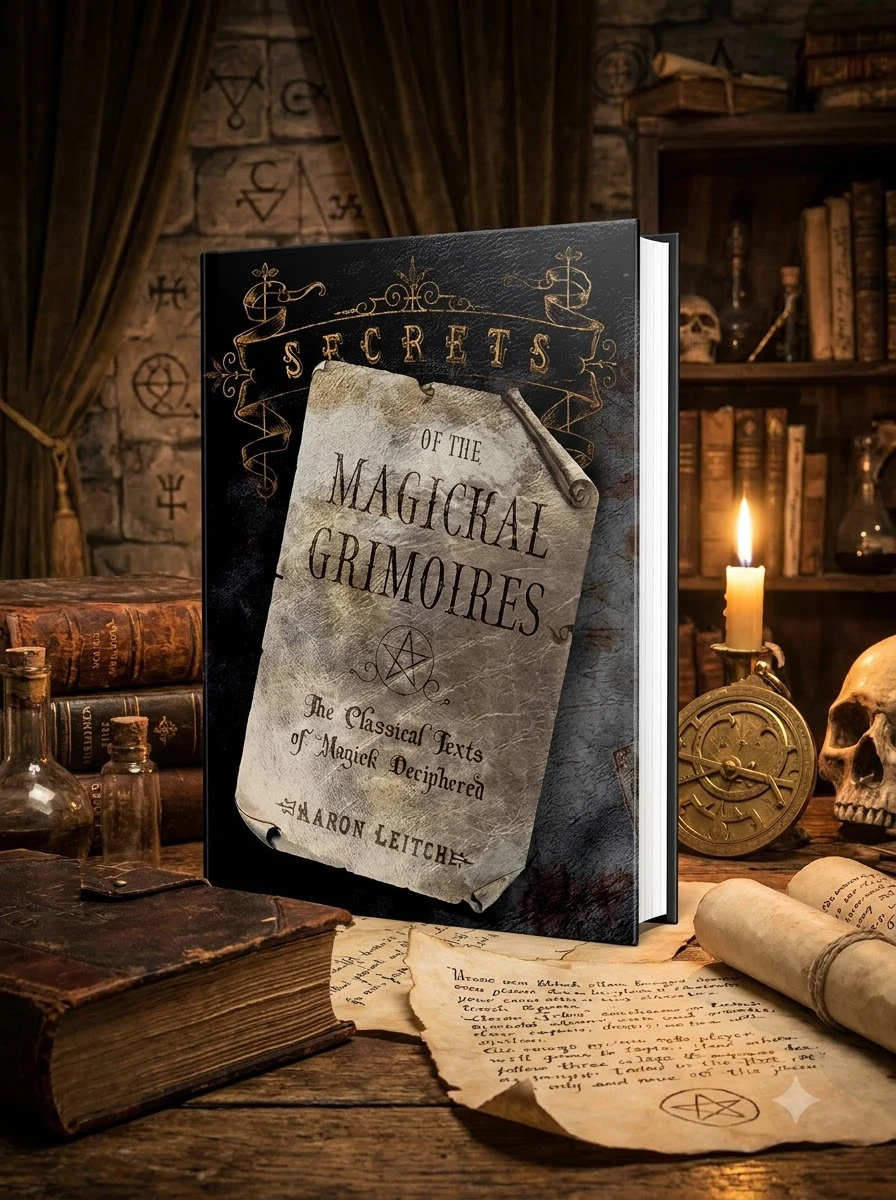
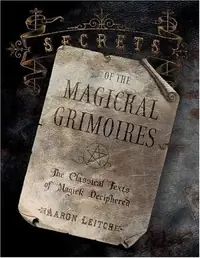
Secrets of the Magickal Grimoires: The Classical Texts of Magick Deciphered
Leitch, AaronStock reported in the catalog; fulfillment is confirmed with your request.
Uncover the hidden history of medieval grimoires and the spirits they summon.
Aaron Leitch guides us through the dense labyrinth of medieval European magic, decoding the primary grimoires that form the bedrock of modern ceremonial practice. This work is more than a mere catalog; it is a deep dive into the lives of the scribes and sorcerers who penned these spells. By contextualizing these texts within their historical era, Leitch clarifies the often-misunderstood nature of the medieval mage. The book also thoughtfully contrasts these European ritual traditions with shamanic spirit work, offering a broader perspective on how humans have historically attempted to bridge the gap between the visible and invisible worlds.
This work sits firmly within the study of medieval European ceremonial magic, serving as a critical bridge between historical textual analysis and modern esoteric practice. It contextualizes classical grimoires as foundational texts for contemporary ritualists seeking to understand their ancestral roots.


📝 Description: Secrets of the Magickal Grimoires: The Classical Texts of Magick Deciphered
💎 Expert review
📖 Why choose it
Why this book is worth reading
If you have ever felt lost in the dense, archaic language of classical grimoires, Aaron Leitch’s guide is an essential companion. This book is designed for modern ceremonial magicians who crave depth but struggle with historical ambiguity. Leitch does not merely list spells; he illuminates the lives of the scribes and sorcerers who created these works, offering a humanizing perspective on medieval magic. By contrasting European ritual traditions with shamanic practices, the text provides a broader understanding of spirit work across cultures. Readers will gain clarity on the misunderstood nature of the medieval mage, transforming confusing historical documents into accessible wisdom. It is perfect for those ready to move beyond simple cataloging and engage deeply with the historical context that shapes their current practice.
⭐ Reader reviews
Reader rating
Been hunting for a decent copy of this text for ages. It pairs well with more modern commentaries on the same tradition. The text itself is dense but rewarding — you get out what you put in. Still worth having on the shelf.
My book club chose this last month. I found myself reading passages aloud just to sit with them. I'd have loved an index, but that's on the original text. Happy enough with the purchase.
Finally got around to ordering this. You can tell why this work has endured. I'd have loved an index, but that's on the original text. Still worth having on the shelf.
Leitch offers a compelling decryption of classical texts, making them relevant for today’s practitioner. However, readers seeking practical, step-by-step ritual instructions will find this work lacking. It is an intellectual history rather than a manual, focusing on context and biography over actionable spells. Those interested solely in immediate magical results may feel disconnected from the scholarly approach. The comparison to shamanism is insightful but might distract purists focused exclusively on European ceremonial lines. Ultimately, it serves best as a theoretical foundation for those who appreciate the historical narrative behind the magic rather than just the mechanics of the craft itself.
❓ Frequently asked questions
📖 Who should read this
Readers seeking a rigorous yet accessible introduction to the source texts of Western occultism, particularly those interested in the historical evolution of ritual magic.
🎯 Key themes and symbolism
Medieval Grimoires
Ceremonial Magick History
Shamanic Parallels
💬 Quotes from the book
“The medieval mage was not merely a wizard in a tower, but a scholar navigating the complex intersections of faith and power.”
“To understand the grimoires, one must first understand the minds that feared, worshipped, and sought to command the spirits within them.”
📜 Historical context
📚 Glossary
- Grimoire
- Ceremonial Magick
- Shamanic Methods
📔 Questions to reflect on
- How does the historical fear of spirits in medieval Europe compare to your current relationship with the unseen?
- In what ways do modern magical practices still reflect the rigid structures found in these ancient grimoires?
- How might viewing magic through a shamanic lens change your interpretation of Western ceremonial rituals?
✍️ More books by this author Leitch, Aaron
All books by this author →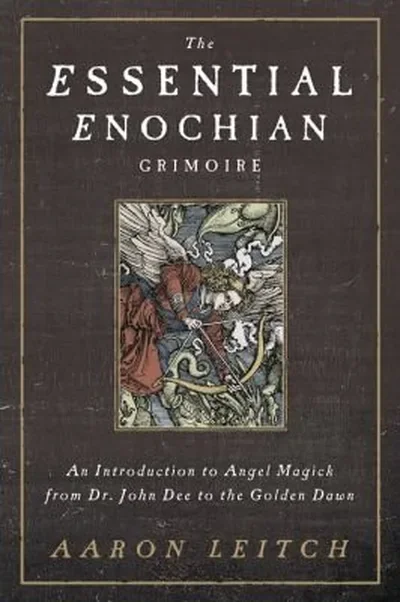
🏛 Books from this publisher Llewellyn Publications
All books from this publisher →

 89
89


You might also like
See more →
 82
82