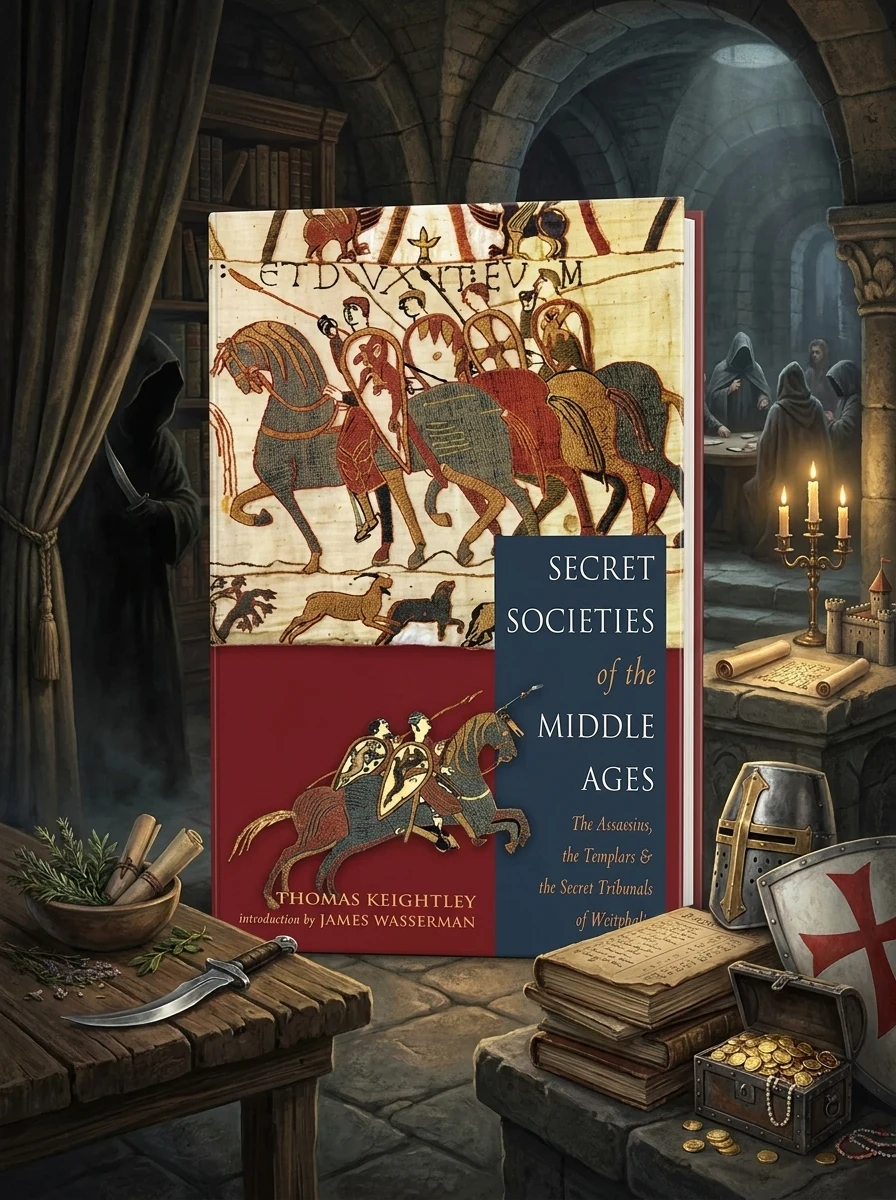

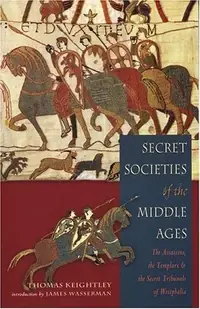
Secret Societies of the Middle Ages: The Assassins, the Templar & the Secret Tribunals of Westphalia
Stock reported in the catalog; fulfillment is confirmed with your request.
Uncover the shadowed origins of power in this 1846 exploration of medieval mystery orders.
Keightley’s seminal 1846 work traces the metamorphosis of three distinct medieval groups into enduring symbols of hidden influence. He details the Assassins’ evolution from religious sect to political terror, the Templars’ rise from pious warriors to financial titans, and Westphalia’s vigilante tribunals enforcing order amidst chaos. This text serves as the foundational archive for understanding how these disparate orders shaped modern concepts of secrecy, wealth, and judgment, echoing their legacy in contemporary power structures.
This volume sits firmly within the nineteenth-century tradition of esoteric historiography, reflecting an era fascinated by uncovering the hidden mechanisms of power behind medieval institutions. It bridges the gap between academic inquiry and occult speculation, typical of works that seek to reveal the secret foundations of modern society.


📝 Description: Secret Societies of the Middle Ages: The Assassins, the Templar & the Secret Tribunals of Westphalia
💎 Expert review
📖 Why choose it
Why this book is worth reading
Readers drawn to the interplay between religious history and political intrigue will find immense value in this foundational text. It is ideal for those who wish to understand how medieval mystery orders evolved into enduring symbols of hidden influence, shaping contemporary concepts of secrecy, wealth, and judgment. By tracing the metamorphosis of groups like the Assassins and Templars, Keightley provides a necessary archive for anyone interested in the shadowed origins of power structures that continue to echo through modern society.
⭐ Reader reviews
Reader rating
My third book from this store and this one might be the best. The symbolism is layered and generous to patient readers. Will be gifting a copy to a friend.
Keightley offers a seminal exploration of medieval mystery orders, detailing their rise from pious or religious beginnings to figures of significant financial and political weight. While it serves as a valuable foundational archive for understanding historical secrecy, it may not suit readers seeking rigorous, peer-reviewed academic historiography or those uninterested in nineteenth-century esoteric interpretations of history. It is best appreciated by those who enjoy speculative connections between past events and modern power dynamics rather than strict factual documentation.
❓ Frequently asked questions
📖 Who should read this
Readers fascinated by the intersection of religious history and political intrigue will find this text essential. It appeals to those interested in the genealogy of modern conspiracy theories, the history of banking, and the psychological impact of medieval fear on contemporary geopolitics.
🎯 Key themes and symbolism
Origins of Political Assassination
The author examines how the Nizari Ismailis transformed from a spiritual faction into an instrument of state terror. He explores the linguistic and operational legacy of their targeted killings, demonstrating how their methods established the very definition of political murder in the Western imagination and influenced subsequent covert operations.
Wealth and Heresy
Keightley contrasts the Templars’ initial holy mission with their eventual accumulation of vast financial power. He details their role in inventing early banking systems and explains how their economic dominance led to their persecution, framing their fall as a clash between spiritual vows and the emerging secular greed of medieval Europe.
Vigilante Justice Systems
The text analyzes the Secret Tribunals of Westphalia as a response to imperial weakness. Keightley describes how these self-appointed judges filled the legal vacuum left by ineffective warlords, gaining popular support by delivering swift, albeit brutal, justice. This section highlights the complex relationship between mob rule and societal stability in the Middle Ages.
💬 Quotes from the book
“The name of this ancient order became the word used for political killings of this nature.”
“They enjoyed popular support, providing a rudimentary and vigilante law at a time of lawlessness.”
📜 Historical context
📚 Glossary
- Assassins
- Templars
- Secret Tribunals
📔 Questions to reflect on
- How does the modern perception of 'secrecy' differ from the medieval need for clandestine organization?
- In what ways do modern financial institutions still reflect the operational structures pioneered by the Templars?
- When is vigilante justice justifiable, and when does it become a threat to societal order?
🏛 Books from this publisher Weiser Books
All books from this publisher →





 87
87


You might also like
See more →

 89
89

 89
89