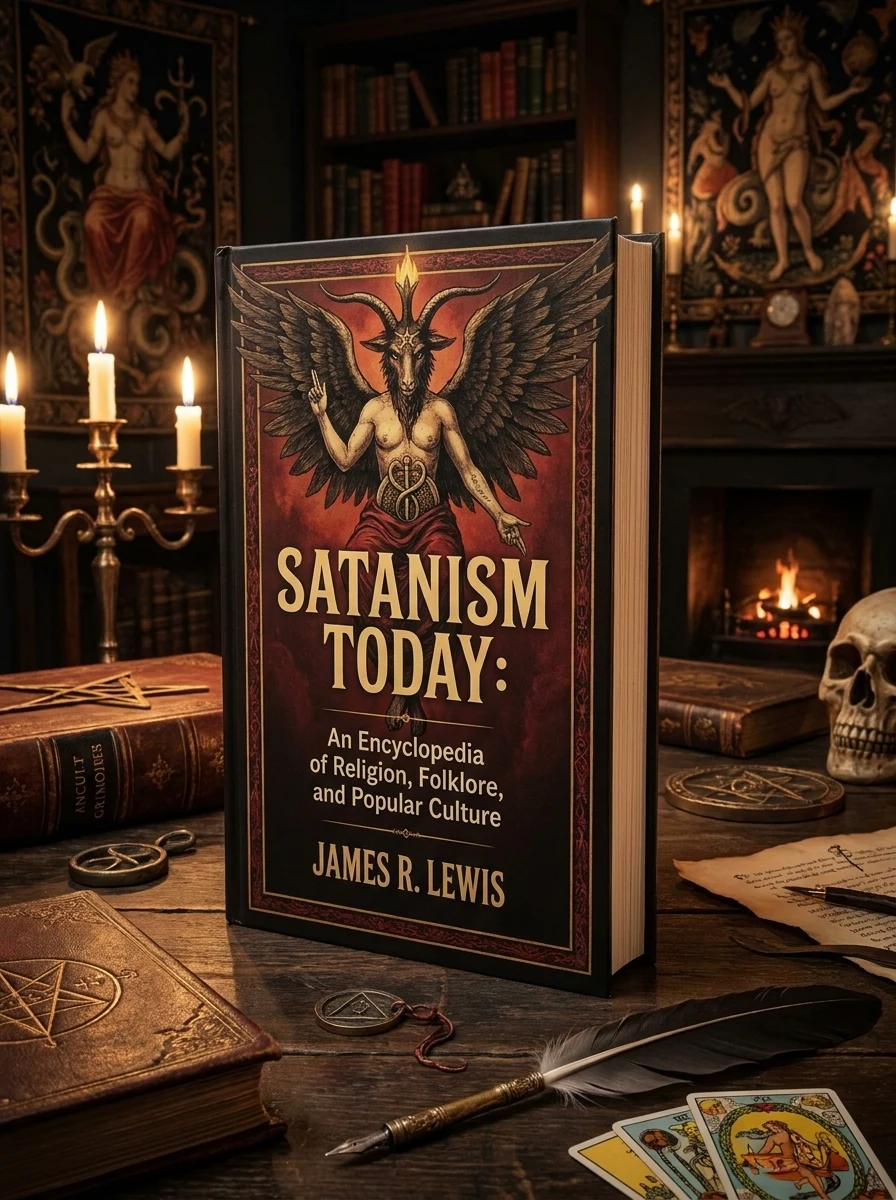
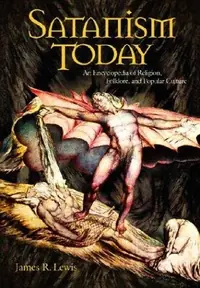
Satanism Today: An Encyclopedia of Religion, Folklore, and Popular Culture
Lewis, James R 84
84
 Editorial score
How we rate
Editorial score
How we rate
Stock reported in the catalog; fulfillment is confirmed with your request.
Unmask the Prince of Darkness across theology, folklore, and modern culture.
This comprehensive reference work meticulously charts the multifaceted figure of Satan, tracing his evolution from ancient theological doctrines and mythological narratives through their manifestation in artistic and literary expression. It further explores the pervasive influence of this iconic entity within contemporary popular culture and modern religious interpretations. Author James R. Lewis delivers an objective, scholarly examination, presenting a nuanced perspective on a subject often fraught with sensationalism, offering a balanced overview of its complex history and current manifestations.
This volume stands as a definitive scholarly reference within the field of religious studies and esoteric history, bridging academic theology with the study of folklore and popular culture. It serves as a critical resource for understanding the modern reception of satanic imagery and doctrine in an increasingly secular world.


📝 Description: Satanism Today: An Encyclopedia of Religion, Folklore, and Popular Culture
💎 Expert review
📖 Why choose it
Why this book is worth reading
Scholars, theologians, and cultural critics will find immense value in this meticulous charting of the satanic figure's evolution. Lewis offers an objective, nuanced perspective that cuts through sensationalism, providing a balanced overview of complex historical and modern manifestations. Readers seeking to understand the intersection of theology, art, and contemporary religion will gain a comprehensive framework for analyzing how the 'Prince of Darkness' is interpreted across diverse traditions. It is essential for anyone wanting to separate fact from folklore in the study of occult history.
⭐ Reader reviews
Reader rating
Lewis delivers a rigorous, encyclopedic examination that prioritizes scholarly accuracy over entertainment. While invaluable for researchers and students of religion, this book may disappoint readers seeking thrilling narratives or practical occult guidance. It is not suited for those who prefer dramatic, sensationalized accounts of the devil or those looking for personal spiritual advice rather than academic analysis. The tone remains detached and analytical throughout, which might feel dry to general readers expecting a more engaging or mystical approach to the subject matter.
❓ Frequently asked questions
📖 Who should read this
For scholars of religious studies, cultural historians, and anyone seeking an unbiased, encyclopedic understanding of Satan's pervasive influence. If you're curious about the true nature of Satanism beyond sensational headlines, this authoritative guide is an essential addition to your collection.
🎯 Key themes and symbolism
Theological Evolution of Satan
Explore the origins and transformations of the Satanic figure within religious texts and dogmas, from Abrahamic faiths to more esoteric traditions. This section unpacks how different theological frameworks have conceptualized the adversary, examining the diverse roles and attributes assigned to this powerful archetype throughout history.
Cultural Manifestations of Evil
Delve into how the image of the Prince of Darkness has permeated artistic expression, literature, and folklore across various epochs and cultures. Discover the symbolism, narratives, and characterizations that have shaped our collective understanding of evil, from medieval portrayals to Romantic interpretations and beyond.
Satan in Modern Society
Investigate the contemporary presence of Satanic themes in popular culture, from film and music to gaming and internet phenomena. This segment also examines the diverse modern religious and philosophical movements that engage with or are mislabeled as "Satanic," providing an insightful, non-judgmental perspective on their tenets.
💬 Quotes from the book
“The transformation of Satan from a prosecuting angel in early Hebrew scriptures to the ultimate antagonist in later Christian theology illustrates a profound evolution in religious conceptualization.”
“Contemporary manifestations of the Satanic archetype within popular culture often serve as a mirror reflecting societal anxieties, moral boundaries, and the allure of transgression, rather than direct religious adherence.”
📜 Historical context
📚 Glossary
- Satanism
- Folklore
- Esotericism
📔 Questions to reflect on
- How has your personal understanding of "Satan" evolved after considering its diverse interpretations across theology and culture?
- In what ways do you see the archetype of the adversary manifesting in contemporary popular culture, and what societal needs does it fulfill?
- Reflect on the ethical responsibilities of scholars and media in presenting complex religious or esoteric topics without sensationalism.
✍️ More books by this author Lewis, James R
All books by this author →
🏛 Books from this publisher ABC-CLIO
All books from this publisher →


You might also like
See more →




 91
91