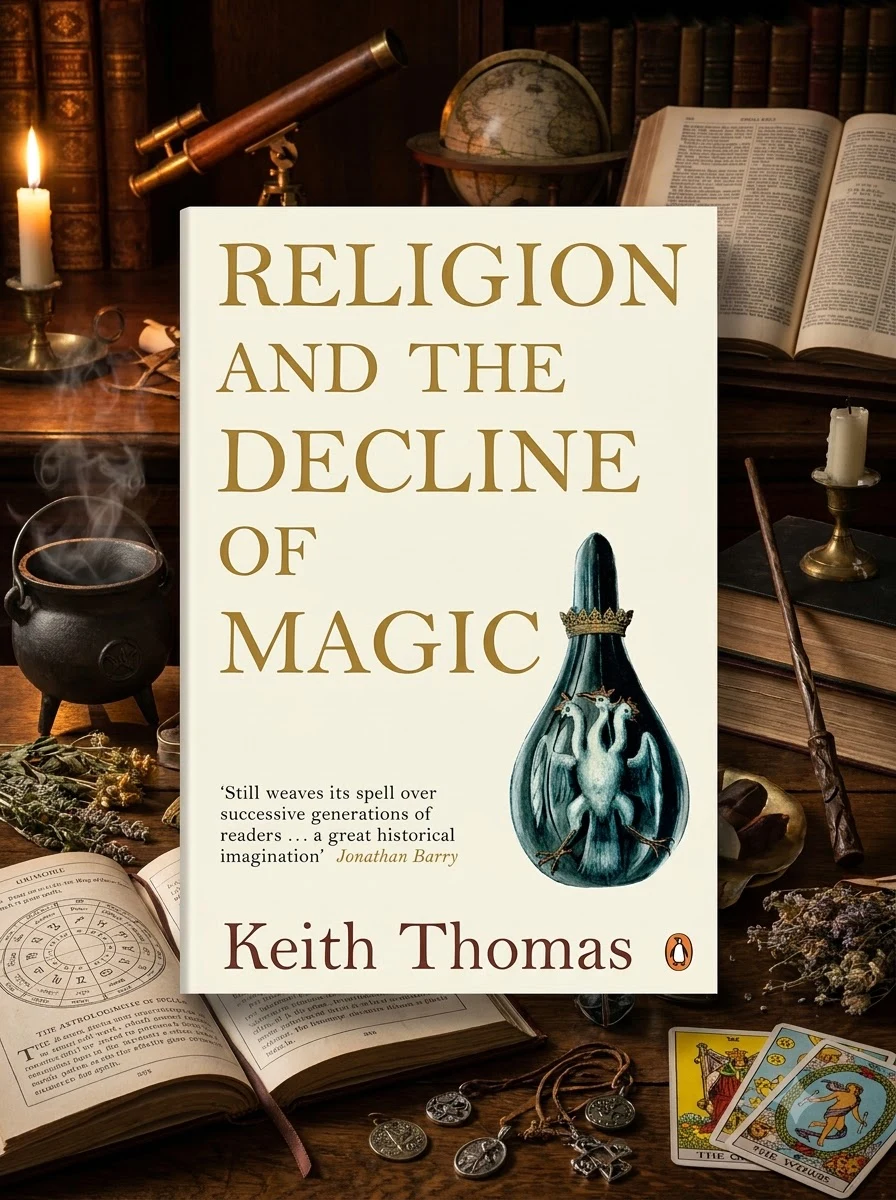
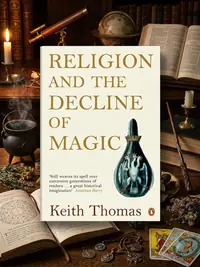
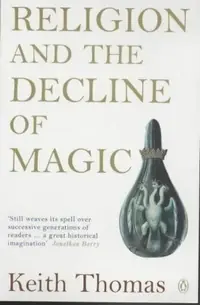
Religion and the Decline of Magic: Studies in Popular Beliefs in Sixteenth and Seventeenth-Century England
Stock reported in the catalog; fulfillment is confirmed with your request.
A masterwork tracing how magic and reason collided in early modern England.
Keith Thomas meticulously charts the vibrant landscape of popular belief in Tudor and Stuart England. He explores how ordinary people relied on witchcraft, astrology, and folk remedies alongside their faith. The narrative tracks the tension between traditional magical practices and the rising tide of Protestant rationalism. As the medieval church’s authority waned, new scientific ideas began to dismantle older supernatural explanations. This seminal study reveals how deeply intertwined religion and magic remained, even as the Enlightenment approached.
This seminal study situates itself within the vibrant landscape of popular belief during Tudor and Stuart England. It explores the critical transition period where traditional magical practices collided with rising Protestant rationalism and scientific inquiry.


📝 Description: Religion and the Decline of Magic: Studies in Popular Beliefs in Sixteenth and Seventeenth-Century England
💎 Expert review
📖 Why choose it
Why this book is worth reading
Readers fascinated by the intricate intersection of faith and folklore will find this book indispensable. It offers a meticulous charting of how ordinary people in early modern England navigated a world where witchcraft, astrology, and folk remedies coexisted with religious devotion. By examining the tension between medieval supernatural explanations and emerging scientific ideas, Thomas reveals the profound resilience of magical thinking even as the Enlightenment approached. This work is essential for anyone seeking to understand the complex mentalities of the past, demonstrating that religion and magic remained deeply intertwined long after the medieval church’s authority began to wane. It provides a rich, nuanced perspective on cultural history that bridges the gap between historical fact and human experience.
⭐ Reader reviews
Reader rating
I've read excerpts online before, but having the full text is different. The symbolism is layered and generous to patient readers. My only regret is not ordering it sooner.
Came across this title in a footnote and had to track it down. Not a light read, but far more accessible than I feared. Challenging in places, but never needlessly obscure. Deserves a place on any esoteric bookshelf.
My book club chose this last month. The language takes some getting used to, but it becomes part of the charm. It pairs well with more modern commentaries on the same tradition. I'd have loved an index, but that's on the original text. Recommended with reservations.
Not my usual area but wanted to branch out. A text you study rather than simply read. Plenty of passages worth underlining; my copy is already full of margin notes. A few pages arrived with light corner wear, though nothing serious.
Been hunting for a decent copy of this text for ages. A text you study rather than simply read. I'd have loved an index, but that's on the original text. Still worth having on the shelf.
Thomas delivers a rigorous academic examination of early modern English belief systems, offering unparalleled depth into the collision of magic and reason. However, this is not a casual narrative for those seeking quick entertainment or simple answers. The text demands patience from readers who prefer light storytelling over dense historical analysis. It may disappoint those looking for sensationalist tales of witch hunts without context, as it focuses on the structural and intellectual shifts rather than individual drama. Scholars and serious history enthusiasts will appreciate its thoroughness, but casual readers might find the detailed exploration of Protestant rationalism and folk remedies too academic for their tastes.
❓ Frequently asked questions
📖 Who should read this
Scholars of early modern history, anthropologists of religion, and readers fascinated by the psychological shift from magical thinking to scientific inquiry in Western culture.
🎯 Key themes and symbolism
Popular superstition
Religious Reformation
Scientific rationalism
💬 Quotes from the book
“The decline of magic was not a sudden collapse but a gradual erosion.”
“Belief in witchcraft was a symptom of a society struggling to explain the unknown.”
📜 Historical context
📚 Glossary
- Popular Magic
- Protestant Reformation
- Rationalism
📔 Questions to reflect on
- How do you explain unexplained events in your own life?
- What modern beliefs resemble the 'magic' of the 17th century?
- How does fear shape our understanding of the supernatural?
You might also like
See more →
 91
91
 91
91
 91
91