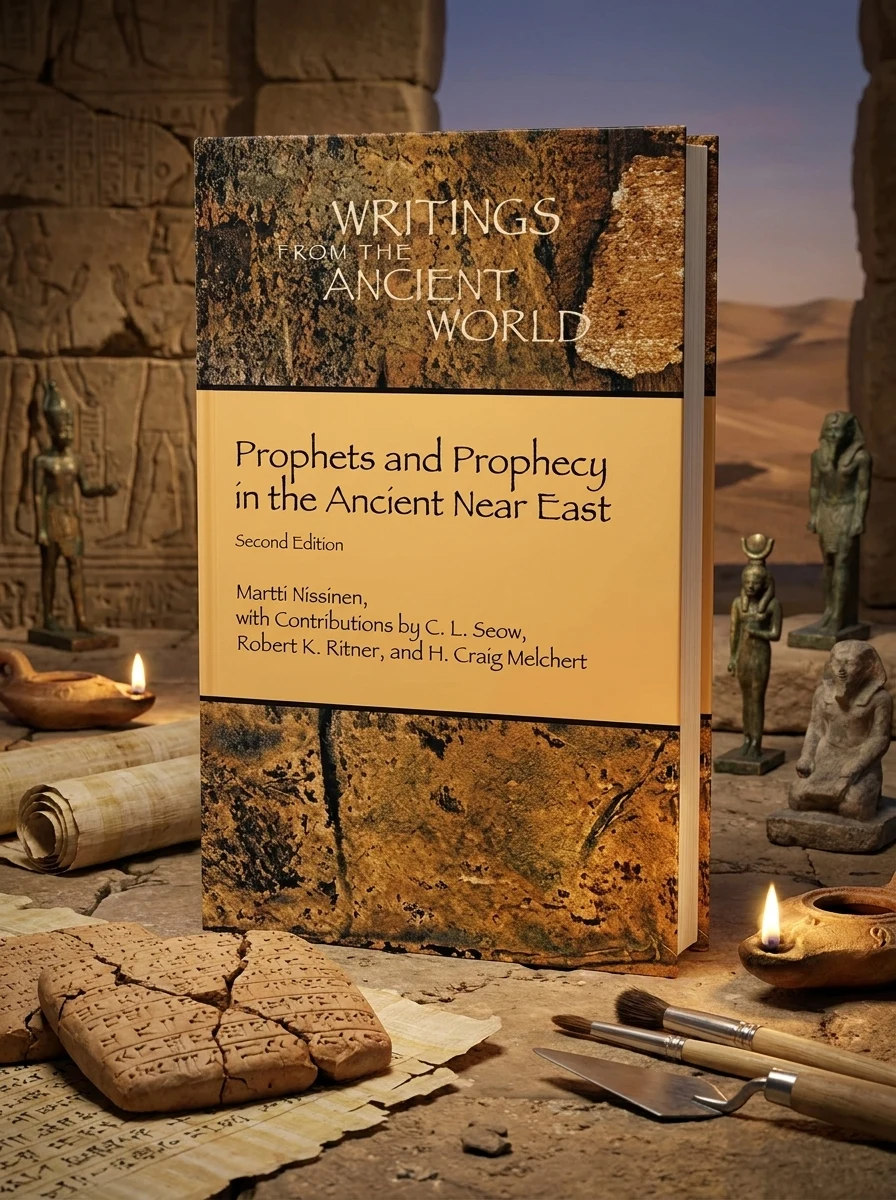
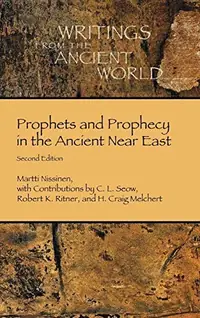
Prophets and Prophecy in the Ancient Near East
Nissinen, MarttiStock reported in the catalog; fulfillment is confirmed with your request.
Unearth the primal whispers of ancient prophets echoing through millennia.
This essential volume plunges into the enigmatic world of prophecy across the ancient Near East, compiling an impressive array of original documents from the second and first millennia BCE. Readers will find meticulously translated and transliterated oracle reports, fragments of prophetic messages embedded in letters and historical literature, and accounts detailing figures recognized as prophets. More than just a collection, Nissinen provides insightful discussions, guiding both the curious and the serious student through these invaluable primary sources. This expanded edition significantly deepens our understanding with thirty-four additional texts, offering an unparalleled window into ancient divination.
This scholarly work explores the landscape of prophecy and divination within the ancient Near East during the second and first millennia BCE, anchoring itself in historical and religious studies rather than modern mystical practice.


📝 Description: Prophets and Prophecy in the Ancient Near East
💎 Expert review
📖 Why choose it
Why this book is worth reading
Scholars of ancient history and theology will find immense value in this comprehensive compilation, which bridges the gap between academic rigor and accessible primary source material. It serves as an indispensable resource for those seeking to understand the mechanical and cultural underpinnings of prophetic traditions before they crystallized into canonical forms. The inclusion of thirty-four additional texts in this expanded edition makes it particularly vital for researchers needing up-to-date archaeological and textual evidence. While not designed for casual readers, it offers a profound window into how ancient societies interpreted divine will through oracle reports and fragmented letters. It is essential for anyone dedicated to tracing the origins of spiritual authority and divinatory practices that shaped early religious thought.
⭐ Reader reviews
Reader rating
Nissinen delivers a dense, academic tour de force that prioritizes textual fidelity over narrative flow. This volume is strictly for serious students of antiquity, historians, and theologians who can navigate transliterated fragments and scholarly commentary without frustration. It will likely alienate readers seeking accessible mystical insights, practical divination techniques, or leisurely reading experiences. The focus on original documents from the second and first millennia BCE demands patience and a background in Near Eastern studies. Those expecting a guided spiritual journey or simplified explanations of esoteric concepts will find this text impenetrable and dry. It is a reference work for the library, not a bedside companion for the novice enthusiast of ancient lore.
❓ Frequently asked questions
📖 Who should read this
If you're captivated by ancient history, intrigued by the origins of divination, or seeking a deeper, broader context for biblical prophecy, this book is for you. It's an indispensable resource for anyone eager to explore the primary texts of prophecy from Mesopotamia, Syria, and beyond.
🎯 Key themes and symbolism
Ancient Prophetic Voices
The book meticulously gathers and presents the direct utterances and documented prophecies from various cultures spanning the ancient Near East. It allows readers to engage with the actual words of seers and diviners, offering a raw and unfiltered perspective on how divine messages were perceived and communicated in antiquity, beyond just the biblical traditions.
Decoding Divine Messages
Nissinen's work provides crucial methodologies for interpreting the diverse forms of prophetic communication. From formal oracle reports to casual mentions in correspondence, the book guides readers through the nuances of understanding these ancient texts, shedding light on their structure, context, and implied meanings within their respective cultural frameworks.
The Prophetic Office
Beyond the messages themselves, this volume explores the societal roles and functions of those identified as prophets in ancient societies. It examines how these individuals were recognized, their influence on political and religious life, and the varying ways their authority was established and perceived across different kingdoms and empires of the ancient world.
💬 Quotes from the book
“Thus says Ishtar of Arbela, 'Do not be afraid! I will go before you. I will protect you. I will bring you back. I am Ishtar of Arbela!'”
“The integration of prophetic messages within the political discourse of the Neo-Assyrian Empire underscores their intrinsic value not merely as religious phenomena but as instruments of state legitimacy and policy.”
📜 Historical context
📚 Glossary
- Transliteration
- Oracle
- Ancient Near East
📔 Questions to reflect on
- How do the prophetic messages from the ancient Near East challenge or confirm your existing understanding of prophecy, particularly in comparison to familiar biblical traditions?
- Consider the various roles prophets played in these ancient societies. What does this suggest about the relationship between divine authority, political power, and communal life?
- Reflect on the challenges of interpreting ancient texts from vastly different cultural contexts. What insights does Nissinen's approach offer for understanding historical documents generally?
✍️ More books by this author Nissinen, Martti
All books by this author →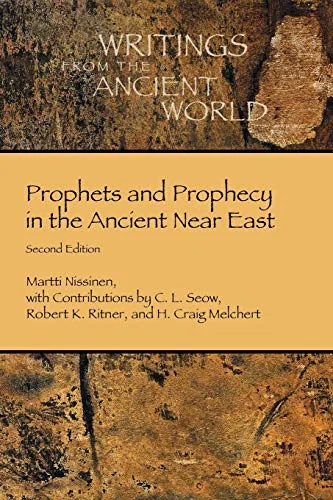
🏛 Books from this publisher SBL Press
All books from this publisher →You might also like
See more →

 91
91
 91
91