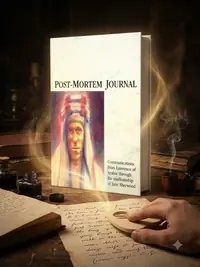
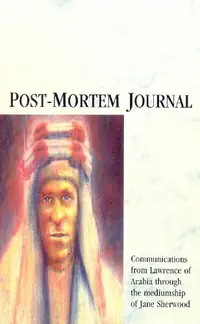
Post-Mortem Journal
This edition can be ordered. No arrival date is confirmed.
Unveil the astonishing account of a spirit's voice echoing from beyond the veil, challenging all understanding.
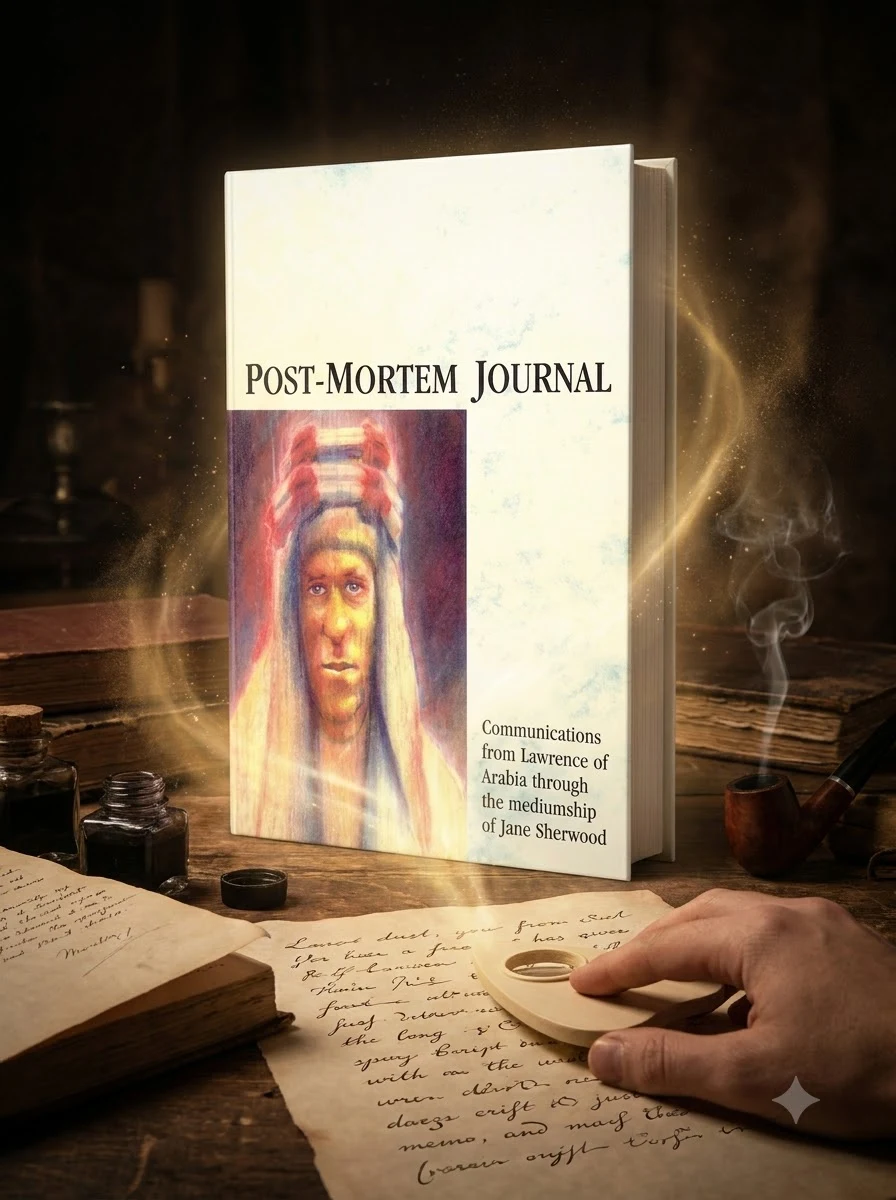
Prepare for an extraordinary journey into the unknown with Jane Sherwood's *Post-Mortem Journal*. This groundbreaking work presents an unprecedented report, transcribed through the enigmatic practice of automatic writing, detailing communications from an entity identifying himself only as 'Scott' – a voice reaching out from beyond the grave. This deeply personal and often unsettling glimpse into the purported realities of the afterlife challenges conventional understanding. Long a subject of debate, Sherwood's account pushes the boundaries of spiritual communication, offering a pivotal and undeniably controversial document for exploration.
This work sits firmly within the early 20th-century spiritualist movement, a period marked by intense public interest in mediumship and automatic writing as legitimate methods of contacting the deceased. It reflects the era's broader cultural fascination with bridging the gap between the material world and the spirit realm through esoteric practices.


📝 Description: Post-Mortem Journal
💎 Expert review
📖 Why choose it
Why this book is worth reading
Readers with a profound interest in the history of spiritualism and the mechanics of automatic writing will find this text invaluable. It offers a rare, unfiltered glimpse into the purported realities of the afterlife through the eyes of Jane Sherwood. Those intrigued by controversial historical documents that challenge conventional understanding of death will appreciate its unsettling nature. It serves as a pivotal resource for scholars and enthusiasts alike who wish to explore the boundaries of spiritual communication and the enduring debate surrounding life after death.
⭐ Reader reviews
Reader rating
While *Post-Mortem Journal* provides an unprecedented report from 'Scott', it demands a specific type of reader. Skeptics or those seeking empirically verified scientific data will likely find little here, as the work relies entirely on subjective automatic writing. It is not suitable for readers who prefer straightforward narrative fiction or dry academic analysis devoid of personal spiritual experience. However, for those open to the esoteric and the controversial, it offers a deeply personal, albeit unsettling, journey into the unknown that pushes the boundaries of traditional occult literature.
❓ Frequently asked questions
📖 Who should read this
If you are drawn to the mysteries of spirit communication, automatic writing, or profound questions about life after death, this journal offers a unique and controversial firsthand account. It's essential reading for anyone seeking to challenge perceptions of reality and explore the outer limits of spiritual experience.
🎯 Key themes and symbolism
Automatic Writing & Trance
This volume delves deeply into automatic writing as a primary method of spirit communication. Sherwood's meticulous transcription of 'Scott's' messages provides a compelling, if contentious, case study for those fascinated by the mechanics and implications of channeling consciousness from non-physical realms, offering raw insight into the mediumistic process itself.
The Nature of the Afterlife
'Scott's' purported communiqués offer a direct, albeit subjective, perspective on existence beyond the physical body. Readers are invited to ponder the structure, experiences, and challenges of a post-mortem state as described by an alleged inhabitant. This theme explores foundational questions about consciousness, identity, and continuity after death.
Controversy in Spiritualism
Inherently provocative, this book ignited significant debate within spiritualist circles and beyond. It exemplifies the inherent challenges in verifying claims of communication with the deceased and addresses the skepticism and fascination surrounding such phenomena. The text itself became a focal point for discussions on authenticity, belief, and the boundaries of accepted knowledge.
💬 Quotes from the book
“The veil is thinner than you perceive, but the words, they are bound by your earthly tongue. I strive for clarity, though the resonance of my world is beyond your grasp.”
“The pen moved with an undeniable autonomy, charting a narrative both coherent and deeply unsettling, far beyond the scope of my conscious thought or personal knowledge.”
📜 Historical context
📚 Glossary
- Automatic Writing
- Spiritualism
- Channeling
📔 Questions to reflect on
- How does the concept of direct spirit communication challenge or align with your current understanding of consciousness and existence after death?
- What ethical considerations arise when attempting to communicate with entities from beyond the grave, and how might one approach them respectfully?
- If you were to encounter a similar phenomenon, what criteria would you use to assess the authenticity or validity of the messages received?
You might also like
See more →

 91
91